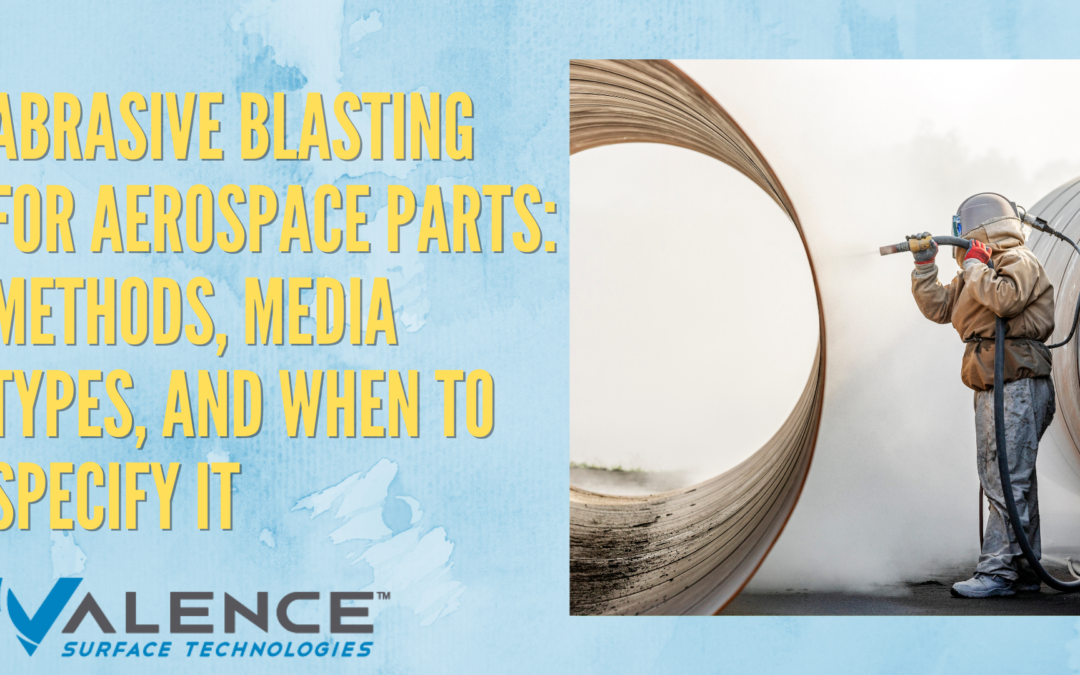
Key Takeaways: Purpose-Driven Process: Abrasive blasting cleans, strips, and textures aerospace surfaces without adding the controlled compressive residual stress that shot peening delivers. Media Matters: The right abrasive material depends on the alloy, geometry,...
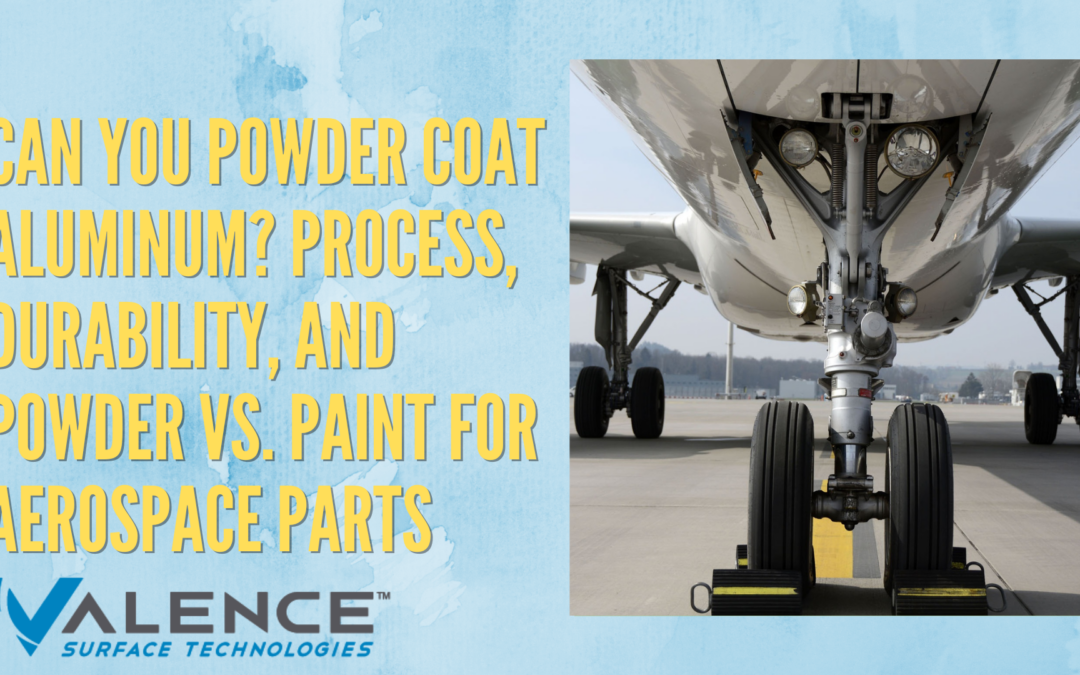
Key Takeaways: Yes, With Prep: Aluminum can be powder-coated effectively when the surface is properly cleaned and pretreated to ensure adhesion and corrosion resistance. Durability Edge: Powder coating typically outperforms liquid paint in impact, chipping, and...
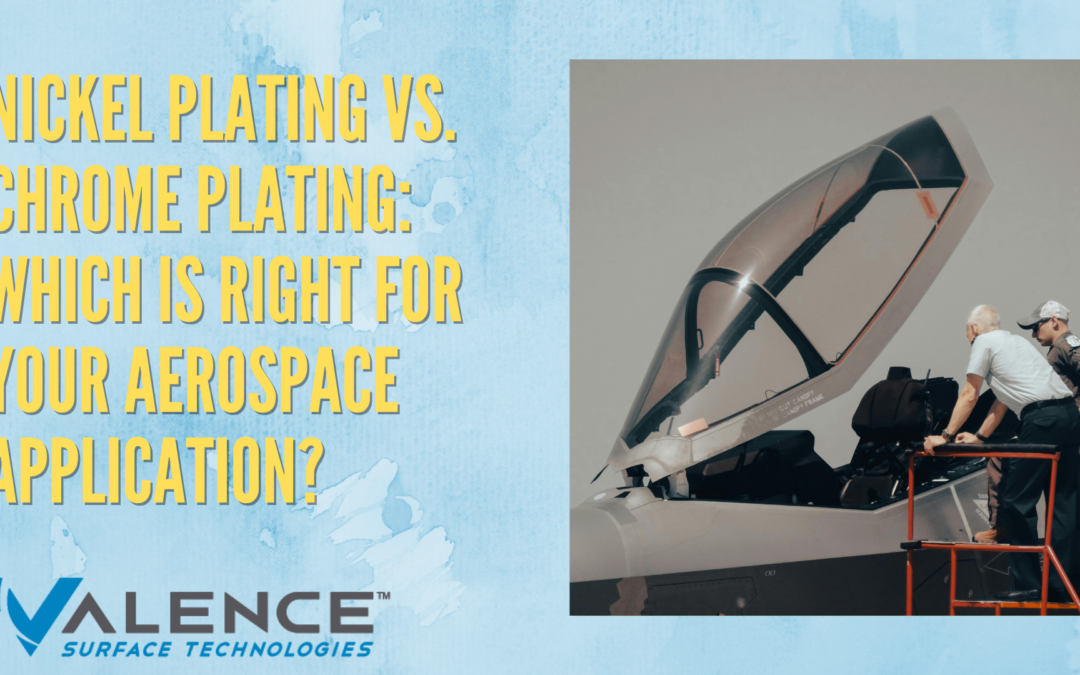
Key Takeaways: Corrosion vs. Hardness: Nickel excels at corrosion protection and uniform coverage, while chrome leads in surface hardness and wear resistance. Application Drives Choice: The right finish depends on the part’s function, load, environment, and...
Key Takeaways: Two types, two classes: Type I uses hexavalent chromium, and Type II is hexavalent chromium-free, while Class 1A maximizes corrosion protection and Class 3 preserves electrical conductivity. Testing is non-negotiable: MIL-DTL-5541F process-control...
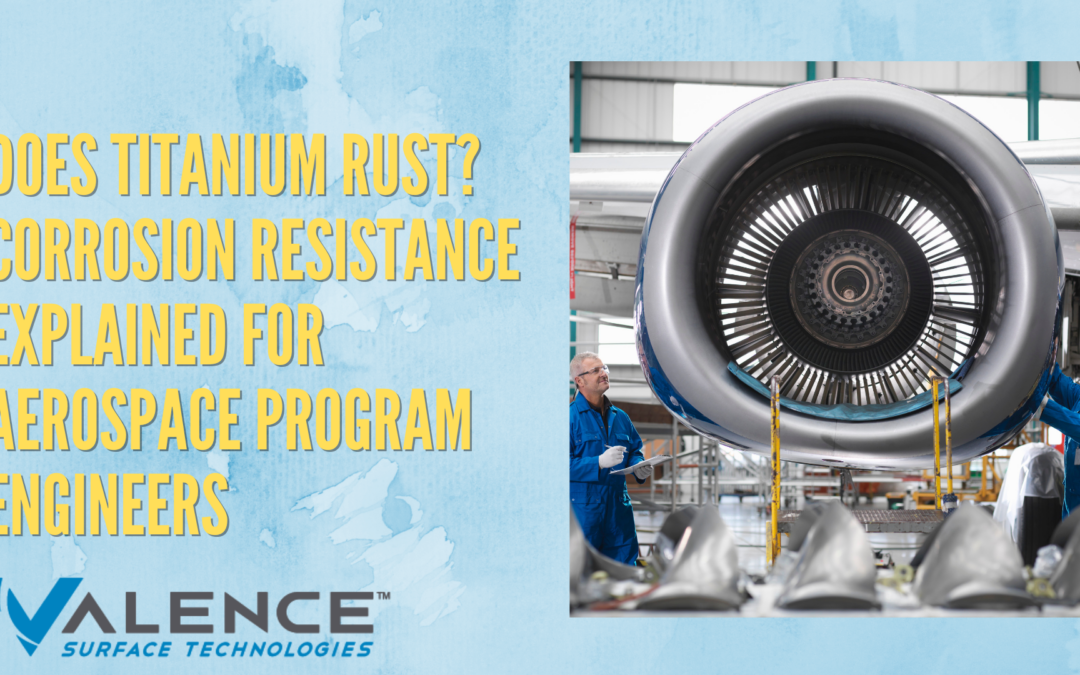
Key Takeaways: Titanium Doesn’t Rust: Without iron in its structure, titanium is chemically incapable of forming rust. It Can Still Corrode: Under specific conditions, such as in crevices, at high temperatures, or in galvanic contact, titanium corrosion becomes...
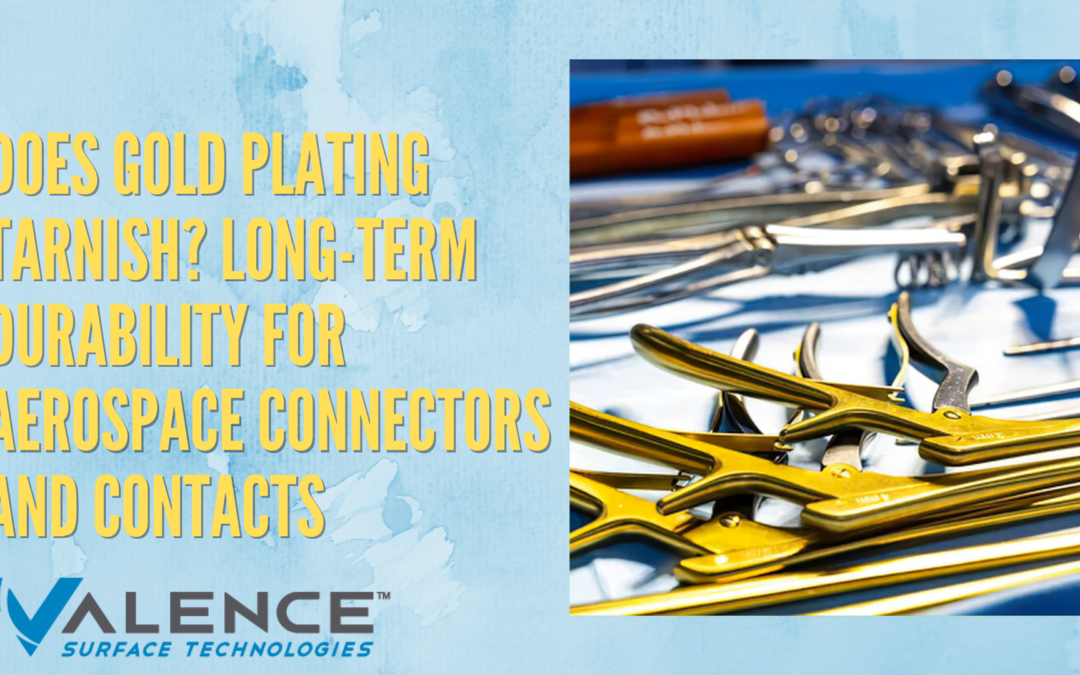
Key Takeaways: Gold Itself Doesn’t Tarnish: Corrosion on gold-plated parts stems from base-metal migration, porosity, or thin coatings—not the gold. Thickness And Barrier Layers Matter: Adequate gold thickness over a nickel barrier is what determines long-term...