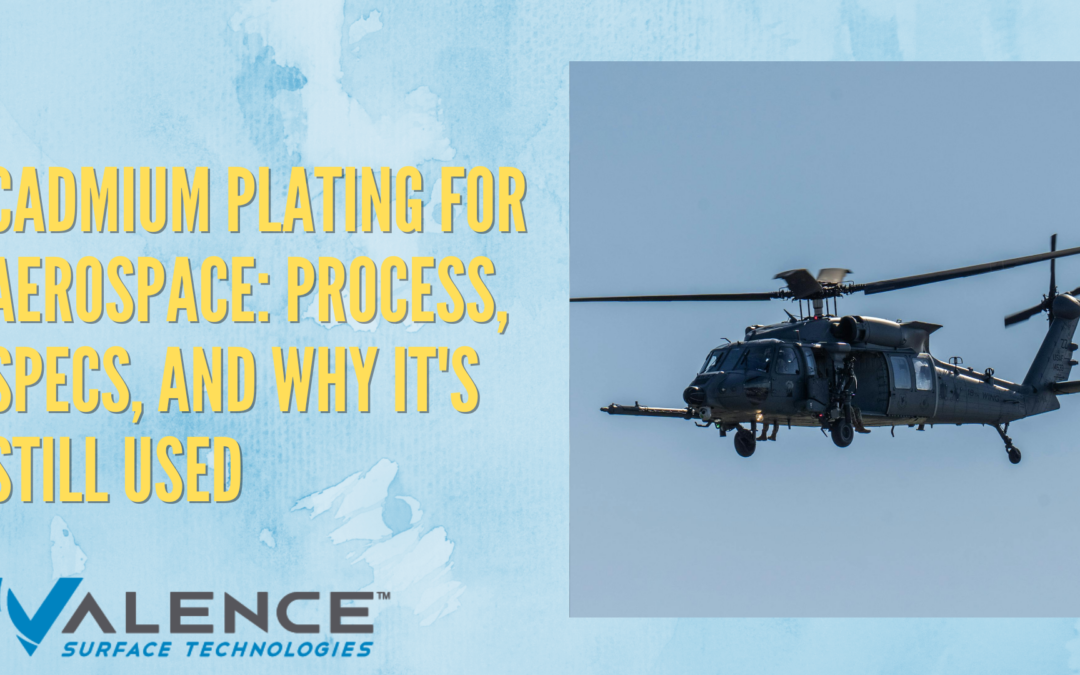
Key Takeaways: Still aerospace-critical: Cadmium’s sacrificial corrosion protection and fastener lubricity continue to outperform alternatives in defense, aviation, and space applications. Compliance is non-negotiable: AMS 2400, AMS-QQ-P-416, Nadcap...
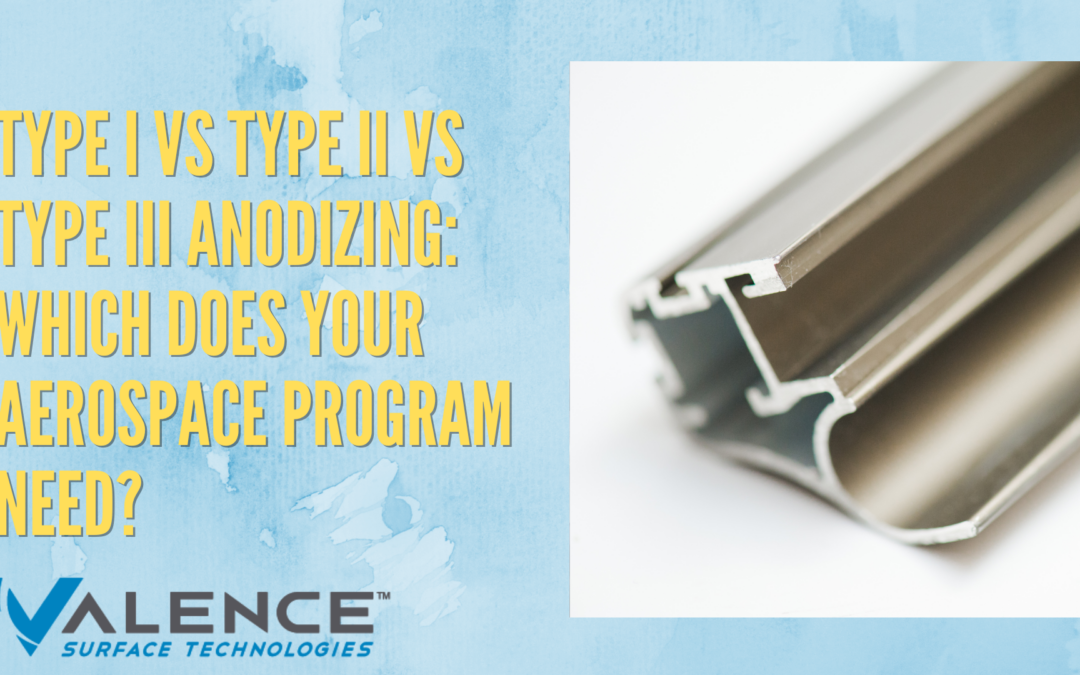
Key Takeaways: Process Selection Impact: Choosing the right anodizing method directly affects durability, tolerance control, and long-term aerospace component performance. Performance Versus Cost Balance: Each anodizing type offers a trade-off between wear resistance,...
Key Takeaways: Machining disrupts corrosion resistance. Any fabrication process removes stainless steel’s protective chromium oxide layer, making passivation essential before aerospace components enter service. Process control determines compliance. AMS 2700 and...
Key Takeaways: Detection Capability: Identifies surface and near-surface discontinuities in ferromagnetic materials before they impact performance or compliance Process Control: Inspection sensitivity and accuracy depend on field application, particle selection, and...
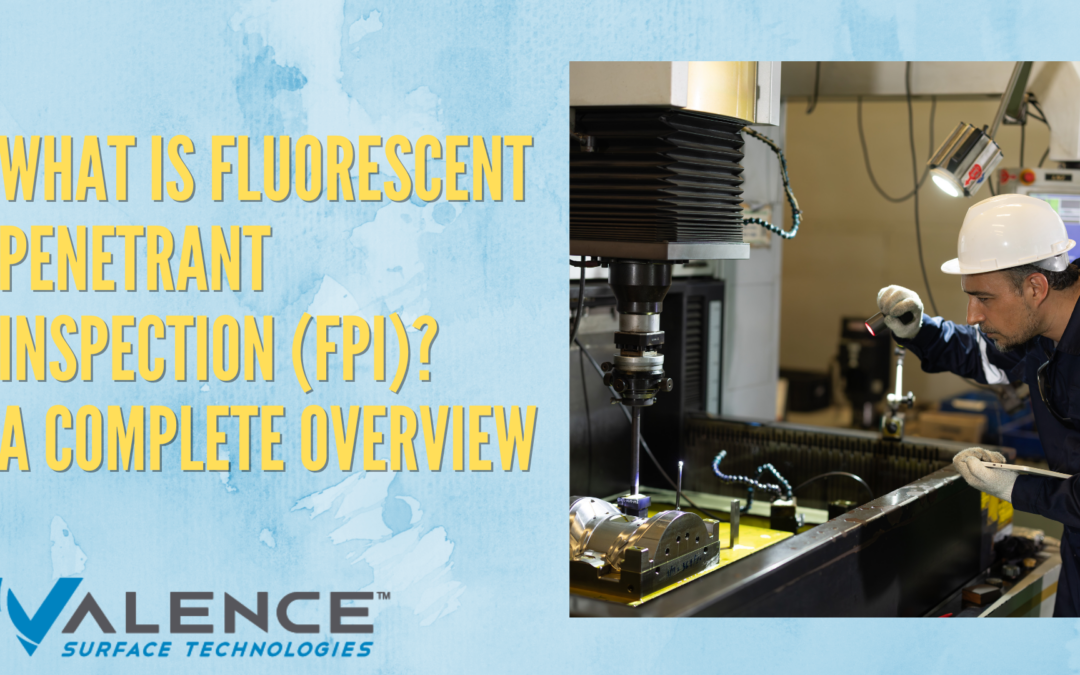
Key Takeaways: Inspection Capability: Detects surface-breaking defects with high sensitivity across complex geometries in regulated manufacturing environments Operational Value: Supports repeatable quality control processes aligned with aerospace and defense...