
Key Takeaways:
- Solderability First: Tin-lead plating can preserve a wettable, low-oxidation surface during controlled storage.
- Whisker Suppression: Alloying tin with lead substantially reduces tin whisker formation.
- Compliance Ready: Tin-lead finishes can be processed and verified to specifications such as ASTM B579 and AMS-P-81728C.
A connector pin that solders poorly does not just slow down assembly; it introduces a failure point in a system where a reliable electrical connection is non-negotiable. Tin-lead plating has long been the finish of choice for aerospace connectors, balancing solderability with corrosion resistance in a way few alternatives can match. But not every tin-lead process is applied with the same rigor, and getting it wrong can lead to whiskering, poor wetting, or premature coating failure.
Valence Surface Technologies, the world’s largest independent aerospace surface-finishing company, applies tin-lead plating processes built to the performance and compliance standards required by aviation, defense, and space programs.
In this piece, we will cover how tin-lead plating supports solderability, its corrosion-protection properties, and its role in aerospace connector applications.
What Is Tin-Lead Plating And Why Is It Used On Aerospace Connectors?
Tin-lead plating is an electroplating process that deposits a thin alloy layer of tin and lead, typically in a 60/40 or 63/37 ratio, onto metal surfaces, most commonly connector pins, terminals, and electronic housings. The alloy combines tin’s excellent solderability with lead’s ability to suppress the growth of tin whiskers, microscopic metallic filaments that can form on pure tin coatings over time and cause short circuits in sensitive electronic assemblies.
In aerospace connectors, this combination addresses two requirements simultaneously: a surface that solders reliably during assembly and a coating that resists corrosion and whisker formation throughout the component’s service life. Pure tin plating, while cost-effective, carries a documented risk of whisker growth that has caused electronic failures in mission-critical systems, a risk aerospace and defense programs cannot accept.
Tin-lead plating remains the specified finish wherever long-term reliability and whisker suppression outweigh the environmental tradeoffs associated with lead content, particularly in legacy systems and applications where alternative finishes have not been fully qualified.
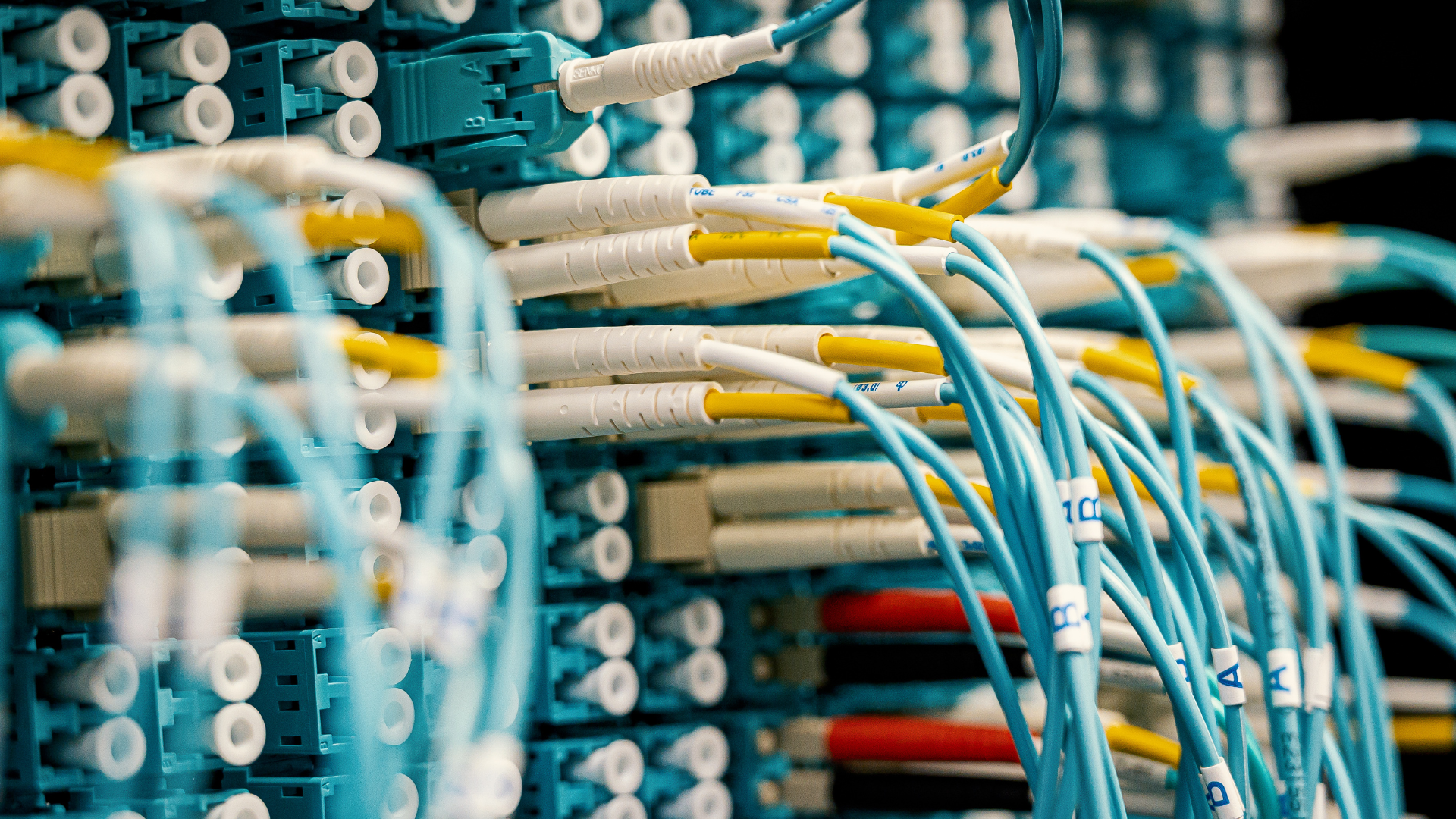
How Tin-Lead Plating Improves Solderability On Connector Pins
Tin-lead plating can preserve solderability during appropriately controlled storage; required shelf life and acceptance testing should be specified.
A Naturally Wettable Surface
Tin-lead deposits form a surface that molten solder wets readily. Because the plating chemistry is metallurgically compatible with common solder alloys, defects and rework can be reduced.
Resistance to Oxidation Over Time
A tin-lead layer protects the underlying metal, so pins remain solderable during controlled storage, which is valuable for long build cycles and spares inventories.
Consistent Joint Quality
Controlled plating supports consistent solderability. Finished joint quality and reliability must be demonstrated through the applicable assembly process and acceptance requirements.
Corrosion Protection Benefits Of Tin-Lead Plating For Electronic Housings
Tin-lead plating provides barrier corrosion protection for enclosures and housings, though performance depends on coating continuity, thickness, substrate, and exposure conditions.
Barrier Against Moisture and Humidity
Tin-lead provides barrier corrosion protection, but ASTM B579 anticipates corrosion during outdoor exposure and at coating pits or pores; salt-spray resistance requires application-specific qualification.
Galvanic Compatibility
Galvanic compatibility depends on the actual metal couple and electrolyte. Assess compatibility for each substrate, coating stack, mating material, and service environment, particularly where aluminum or magnesium is exposed.
Long-Term Durability
Tin-lead can withstand thermal cycling and handling, but service-life performance should be supported by qualification reports for the specific coating system.
Tin-Lead vs. Pure Tin: Why Tin Whiskers Matter In Aerospace Applications
Choosing between tin-lead and pure tin often comes down to tin whiskers, a documented reliability threat on flight hardware.
What Tin Whiskers Are
Tin whiskers are thin, conductive crystalline filaments that can grow from tin-containing finishes, especially pure electroplated tin. Their diameters are microscopic while lengths can reach millimeters, and documented failure modes include shorts, intermittent faults, and metal-vapor arcing.
How Lead Suppresses Whisker Growth
Alloying tin with lead substantially reduces whisker propensity. Many high-reliability specifications use a minimum of 3% lead by weight, subject to the governing requirements; suppression is not an absolute guarantee.
Why Aerospace Still Chooses Tin-Lead
Certain aerospace, military, and space equipment falls outside the scope of RoHS, while equipment within the scope requires an applicable exemption for restricted lead uses; applicability must be evaluated on a case-by-case basis.
Specification And Compliance Requirements For Tin-Lead Plating
Tin-lead plating in aerospace applications is governed by specifications that define alloy composition, plating thickness, testing methods, and acceptance criteria. Compliance with these standards ensures that connector pins and electronic housings meet the solderability and reliability requirements demanded by aviation, defense, and space programs.
- ASTM B579: Defines requirements for electrodeposited tin-lead alloy coatings, including composition ratios, thickness classifications, and testing methods for adhesion and solderability.
- J-STD-006: Establishes requirements for solder alloys and fluxes used in conjunction with tin-lead finishes, ensuring compatibility across the soldering process for electronic assemblies.
- MIL-DTL-3927: A legacy military specification covering tin-lead electroplating, still referenced in programs supporting older platforms and systems that require compatibility with established qualification data.
- RoHS Exemptions: While the Restriction of Hazardous Substances directive restricts lead content in many consumer electronics, aerospace and defense applications often qualify for specific exemptions due to reliability requirements and the lack of fully qualified lead-free alternatives.
- OEM and Customer-Specific Requirements: Major aerospace manufacturers often impose additional testing, documentation, or thickness requirements beyond baseline specifications, particularly for connectors used in flight- or safety-critical systems.
- Nadcap Accreditation: Independent verification that a supplier’s tin-lead plating processes, equipment calibration, and quality systems meet the consensus standards required across the aerospace industry.
Common Applications For Tin-Lead Plating In Aerospace Electronics
Tin-lead plating is specified across a range of aerospace electronic components where solderability, corrosion resistance, and whisker suppression are critical to long-term reliability:
Connector Pins and Sockets
Tin-lead plating provides a reliable, solderable surface on connector pins used throughout avionics, wiring harnesses, and interconnect systems.
Terminal Lugs and Contacts
Electrical terminals and contact points benefit from the combination of tin-lead’s conductivity, solderability, and oxidation resistance over extended service life.
Printed Circuit Board Components
Component leads and through-hole hardware destined for PCB assembly are commonly tin-lead plated to ensure consistent solder joint quality during manufacturing.
Electronic Housings and Enclosures
Housings for avionics modules and electronic control units use tin-lead finishes to protect against corrosion while maintaining electrical grounding continuity where required.
Circuit Breakers and Switches
Components requiring both mechanical durability and reliable electrical contact are frequently specified with tin-lead plating to maintain performance across repeated cycling.
Legacy Avionics Systems
Older aircraft platforms with established qualification data often continue to specify tin-lead plating to maintain compatibility with existing systems and avoid costly requalification under alternative finishes.

Final Thoughts
Tin-lead plating earns its place because it solders well, provides barrier corrosion protection, and suppresses the tin whiskers that make pure tin risky for flight hardware. For programs where reliability is measured over decades, that combination is valuable when finish selection, qualification, and documentation follow the applicable specifications. To learn more about how we apply this finish for aerospace and defense programs, visit our Plating Service Page.
Frequently Asked Questions About Tin-Lead Plating For Aerospace Connectors
What is the best plating for solderable aerospace connector pins?
Tin-lead is an established option for solderable connector terminations where permitted by the program specification, producing a wettable surface and reducing whisker risk relative to pure tin; mating surfaces require separate finish selection.
Looking for a tin-lead finish that resists corrosion on electronic housings?
Tin-lead provides barrier corrosion protection for housings, but performance depends on coating continuity, thickness, substrate, and exposure; salt-spray resistance requires application-specific qualification.
How does tin-lead plating protect electronic housings and enclosures from corrosion?
It provides a barrier over the base metal, but ASTM B579 anticipates corrosion at pits or pores, and during outdoor exposure, and galvanic compatibility must be assessed for each metal couple and environment.
Is tin-lead plating compliant with aerospace and military standards like MIL-Spec?
Tin-lead can be processed and verified to standards such as ASTM B579 and AMS-P-81728C; compliance depends on the applicable procurement documents, qualified processes, and records.
How does tin-lead plating prevent tin whisker formation compared to pure tin?
In tin-lead alloys, many specifications require a minimum of 3% by weight, which substantially reduces the propensity for whiskers, though suppression is not an absolute guarantee.
Should I choose tin-lead, pure tin, or gold plating for my aerospace connectors?
Select finishes separately for solder terminations, mating contacts, and housings, in accordance with the connector drawing, environmental qualification, and program-specific whisker-control requirements.