
Key Takeaways:
- Higher Hardness: Heat-treated nickel-boron can exceed 1,000 HV, providing an advantage in wear-intensive service.
- Uniform Coverage: The electroless process can coat complex geometries relatively evenly when solution exchange, gas release, and fixturing are adequate.
- Spec-Driven Selection: Choosing nickel-boron requires matching hardness, thickness, and heat-treat requirements to the governing specification, such as AMS2433.
Standard electroless nickel performs well until wear conditions push past its limits; high-friction interfaces, abrasive environments, and components subject to repeated cycling can wear through a standard coating faster than expected. Nickel-boron plating was developed to close that gap, offering a harder, more wear-resistant alternative built on the same uniform deposition principles engineers already rely on. The tradeoffs are real, but so is the performance gain, and understanding both is essential before specifying a coating change.
Valence Surface Technologies, the world’s largest independent aerospace surface finishing company, applies both nickel-boron and standard electroless nickel processes across aviation, defense, and space programs, with the technical depth to match the coating to the application.
In this piece, we will cover how nickel-boron plating compares to standard electroless nickel and when the added hardness is worth specifying.
What Is Nickel-Boron Plating And How Does It Differ From Electroless Nickel?
Nickel-boron (NiB) plating is an electroless coating process that deposits a nickel-boron alloy onto a substrate via a chemical reaction, requiring no electrical current. The addition of boron produces a coating known for exceptional hardness, low friction, and strong wear resistance, making it a go-to choice for demanding aerospace and defense applications.
How Does It Differ From Electroless Nickel?
Both processes are electroless, but the chemistry differs. Standard electroless nickel (EN) uses sodium hypophosphite as a reducing agent, producing a nickel-phosphorus alloy. Nickel-boron substitutes boron instead, and that change produces a noticeably different coating profile:
- Hardness: NiB is significantly harder than standard EN, even before heat treatment
- Lubricity: NiB offers a lower coefficient of friction, reducing wear on sliding or mating components
- Corrosion resistance: High-phosphorus EN generally outperforms NiB in corrosive environments
- Cost: NiB is a premium process, typically reserved for high-performance applications
The right choice depends on your application. If wear resistance and hardness are the priority, NiB is worth considering. If broad corrosion protection is the main need, electroless nickel remains the stronger option.
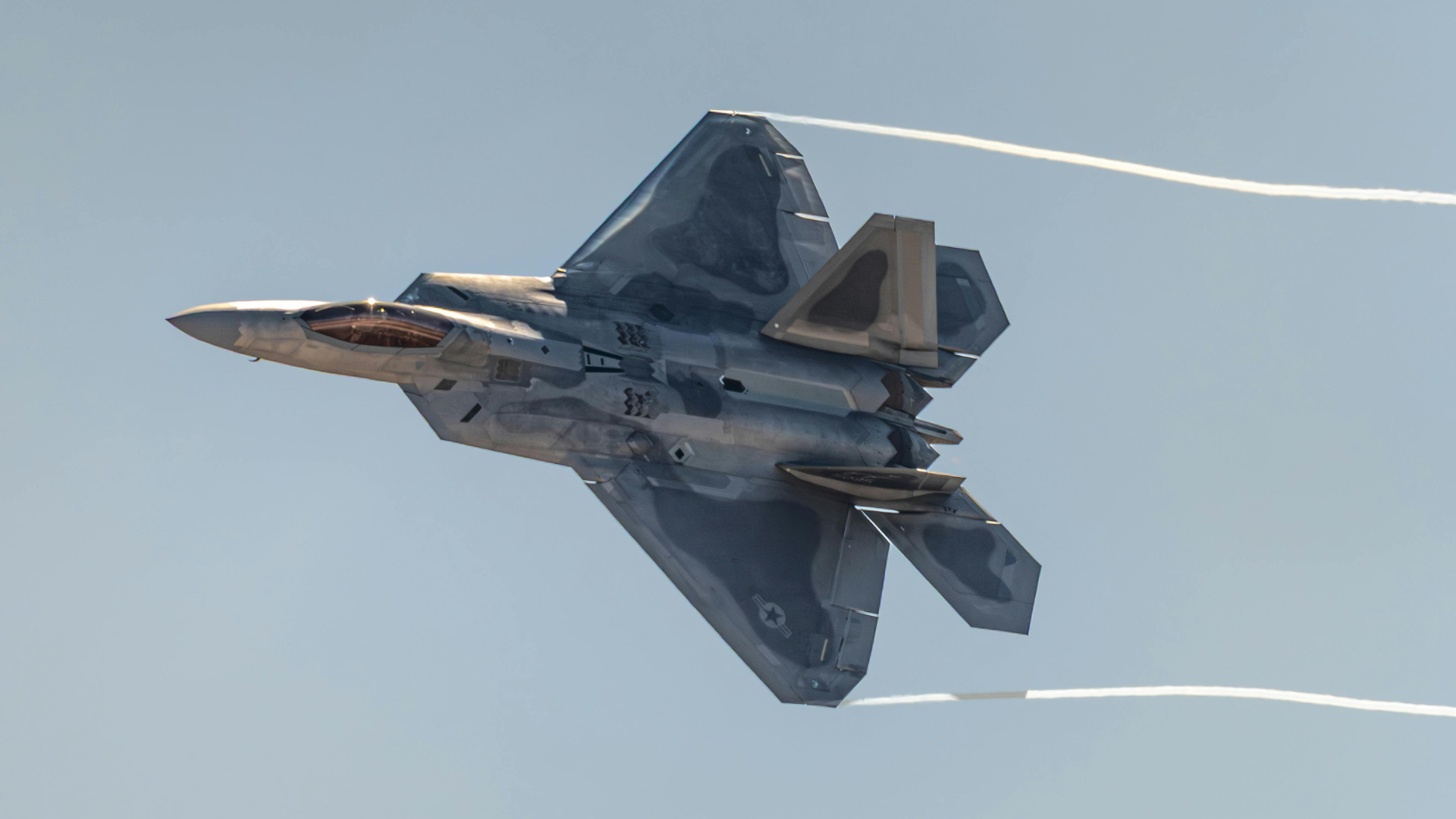
Hardness And Wear Resistance: Nickel-Boron vs. Standard Electroless Nickel
Hardness is the headline advantage. Nickel-boron can provide higher hardness than conventional nickel-phosphorus coatings, although comparative wear performance depends on the application.
As-Plated and Heat-Treated Hardness
Conventional electroless nickel-phosphorus is approximately 500–600 HV as-plated and 850–1,000 HV after heat treatment, though phosphorus content and treatment influence results. Nickel-boron often starts at a higher level, near 700–800 HV as-plated, and can exceed 1,000 HV after heat treatment, with some formulations reaching approximately 1,200–1,300 HV.
Wear and Friction Performance
Nickel-boron can improve wear performance in suitable sliding contacts. Friction and galling resistance must be assessed for the mating materials, lubrication, load, and surface finish; some studies report friction coefficients of approximately 0.58–0.68, and heat treatment has increased friction in certain sliding tests despite raising hardness.
How The Nickel-Boron Plating Process Works
Nickel-boron is applied via an autocatalytic bath; no external current is required, so the deposit builds on wetted surfaces, including internal geometries, when processing conditions are adequate.
Deposition and Bath Control
Parts are cleaned, activated, and then immersed in a boron-bearing nickel bath. Tight control of bath chemistry, temperature, and dwell time governs thickness and boron content, important variables that, along with substrate preparation and coating structure, determine final performance.
Heat Treatment for Maximum Hardness
An appropriately selected post-deposition heat treatment can increase hardness through crystallization and the formation of nickel borides. The schedule must be compatible with the coating, substrate, and applicable specification, since excessive temperature or duration can reduce hardness.
Key Applications For Nickel-Boron Plating In Aerospace Components
Nickel-boron is a candidate wherever wear, friction, and galling threaten precision hardware, where approved by the governing engineering requirements.
High-Wear and Sliding Components
Actuator shafts, valve stems, splines, gears, and bearing surfaces are potential applications for the coating’s hardness, subject to approval by governing engineering requirements.
Complex Geometries and Internal Surfaces
Because the electroless process is not line-of-sight, nickel-boron can provide relatively uniform coverage of bores, blind holes, and threaded features on properly prepared parts, provided solution exchange, gas release, and fixturing are adequate.
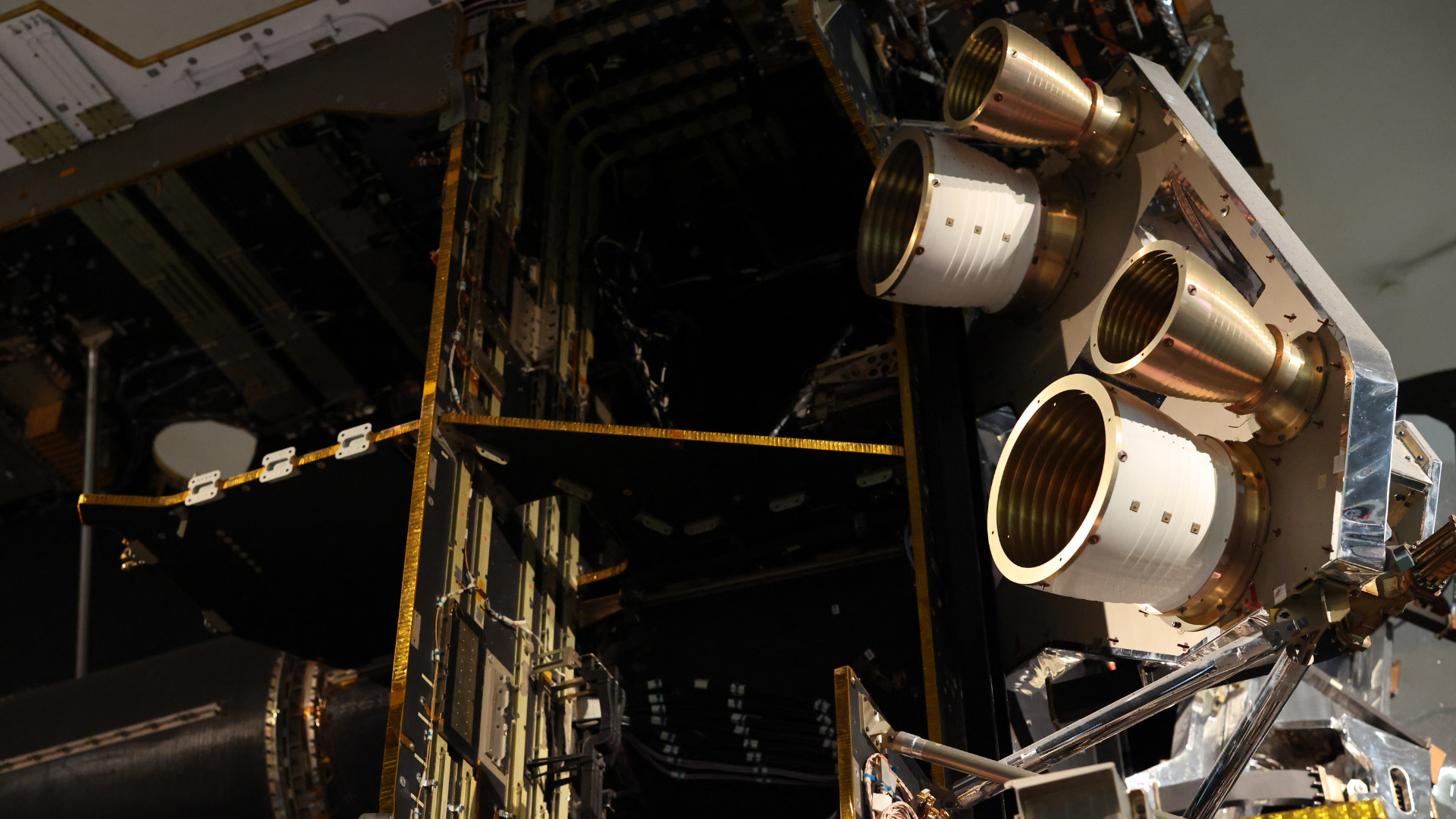
Specification And Compliance Considerations For Nickel-Boron Plating
Selecting nickel-boron is a specification decision. The right coating meets defined hardness, thickness, and adhesion requirements and demonstrates this through documented, audit-ready processing.
Governing Specifications
Nickel-boron deposits are typically controlled to industry and OEM specifications covering composition, thickness, hardness, and heat-treat parameters. SAE AMS2433 is a relevant example, though the contractually invoked revision and OEM requirements must be confirmed.
Audit Readiness and Traceability
For aerospace and defense programs, process control and traceability are non-negotiable. The Valence Standard applies a unified QMS across facilities; confirm the selected facility’s current certifications and process/customer approvals.
When To Choose Nickel-Boron Over Standard Electroless Nickel Coatings
Choose nickel-boron when wear resistance and hardness are the primary requirements. Choose electroless nickel-phosphorus when uniform corrosion protection is the priority, while noting Ni-P also serves wear applications, and Ni-B corrosion performance varies with formulation.
Wear-Driven vs. Corrosion-Driven Requirements
Specify the Ni-P formulation and compare both coatings under the actual environmental conditions and wear mechanisms, rather than reducing the choice to hardness versus corrosion alone.
Total Cost and Service Life
Nickel-boron may improve component life and lifecycle economics when application-specific testing and cost analysis demonstrate an advantage. The right call depends on duty cycle, environment, and program economics.
How Valence Supports Nickel-Boron Plating For Aerospace Applications
Nickel-boron plating demands more than the right chemistry; it requires a finishing partner with the process controls, certifications, and capacity to back every coated component with full accountability.
At Valence, our nickel-boron plating capabilities are integrated into a broader, end-to-end surface-finishing platform built specifically for aerospace, defense, and space programs. To explore the full range of our offerings, visit our Valence Services Overview. Every application is carried out under controlled environmental conditions, with documented bath chemistry, in-process inspection, and full traceability from material certification through certificate of compliance.
Our NADCAP-accredited facilities and unified Quality Management System mean your program isn’t just getting a coating, it’s getting a coating backed by audit-ready documentation, compliance standing, and a network built to scale with your production requirements.
Whether you’re qualifying a new component or scaling an existing program, Valence brings the technical depth and operational reliability that nickel-boron plating demands.
Final Thoughts
Nickel-boron plating is a higher-hardness option for aerospace components where wear, friction, and galling limit service life. It can deliver greater as-plated and heat-treated hardness than conventional electroless nickel while retaining relatively uniform coverage on complex parts. The decision comes down to matching the coating to your failure mode, specification, and lifecycle economics. With integrated finishing and a unified quality system across twelve facilities, Valence Surface Technologies helps aerospace and defense manufacturers specify, process, and document their finishing requirements.
Frequently Asked Questions About Nickel-Boron Plating: A Higher-Hardness Alternative To Standard Electroless Nickel
Is there a harder alternative to standard electroless nickel plating?
Yes, nickel-boron plating is a harder alternative. It offers higher as-plated hardness than conventional nickel-phosphorus and can exceed 1,000 HV after heat treatment, with some formulations reaching approximately 1,200–1,300 HV.
What is the best plating for high-wear aerospace components?
Nickel-boron is an option worth evaluating for high-wear aerospace components. Its high hardness and wear resistance can extend the service life of gears, shafts, and valves, where approved by governing engineering requirements.
What is the hardness of electroless nickel plating?
Conventional electroless nickel-phosphorus is approximately 500–600 HV as-plated and 850–1,000 HV after heat treatment. Nickel-boron runs higher, starting near 700–800 HV as-plated and exceeding 1,000 HV after heat treatment.
What are the main benefits of nickel-boron plating for high-wear aerospace components?
Nickel-boron can deliver higher hardness, useful wear resistance, and relatively uniform coverage on complex geometries, though friction and galling resistance must be assessed on a per-application basis.
Which industries and applications commonly use nickel-boron plating?
Aerospace, defense, space, and industrial sectors use nickel-boron for high-wear parts, actuators, valves, gears, shafts, splines, and bearing surfaces, where governing requirements approve it.
What factors should I consider before choosing nickel-boron plating for my components?
Consider your primary failure mode, required hardness and thickness, governing specification, substrate compatibility, heat-treat needs, and lifecycle cost. Nickel-boron suits wear-driven applications; corrosion-driven requirements may favor nickel-phosphorus.