
Key Takeaways:
- Dual Benefit: A qualified electropolishing process can improve surface finish and enhance corrosion resistance in a single electrochemical operation.
- Passivation Synergy: The process can produce a chromium-enriched passive surface; the relative performance of this approach versus chemical passivation should be established for the alloy, process, and intended environment.
- Aerospace-Ready: Smoother, cleaner surfaces can support flight-critical reliability and contamination-sensitive applications when validated against defined acceptance criteria.
Surface condition can influence the corrosion performance and service reliability of aerospace stainless-steel parts. Micro-crevices trap contaminants, embedded iron can seed corrosion, and rough finishes accelerate wear on moving components. Electropolishing can address all three concerns.
At Valence Surface Technologies, surface finishing isn’t a side service; it’s our entire discipline. Built from legacy finishing experts with 300+ combined years of experience, we process millions of parts annually across multiple facilities, supporting nearly all major commercial and military aerospace platforms under one unified quality system.
In this piece, we’ll cover how electropolishing works, its relationship with passivation, its key aerospace benefits, and where it delivers the most value.
What Is Electropolishing And How Does It Work?
Electropolishing is an electrochemical finishing process that removes a controlled amount of metal from the surface of stainless steel parts, resulting in a smoother, more corrosion-resistant surface.
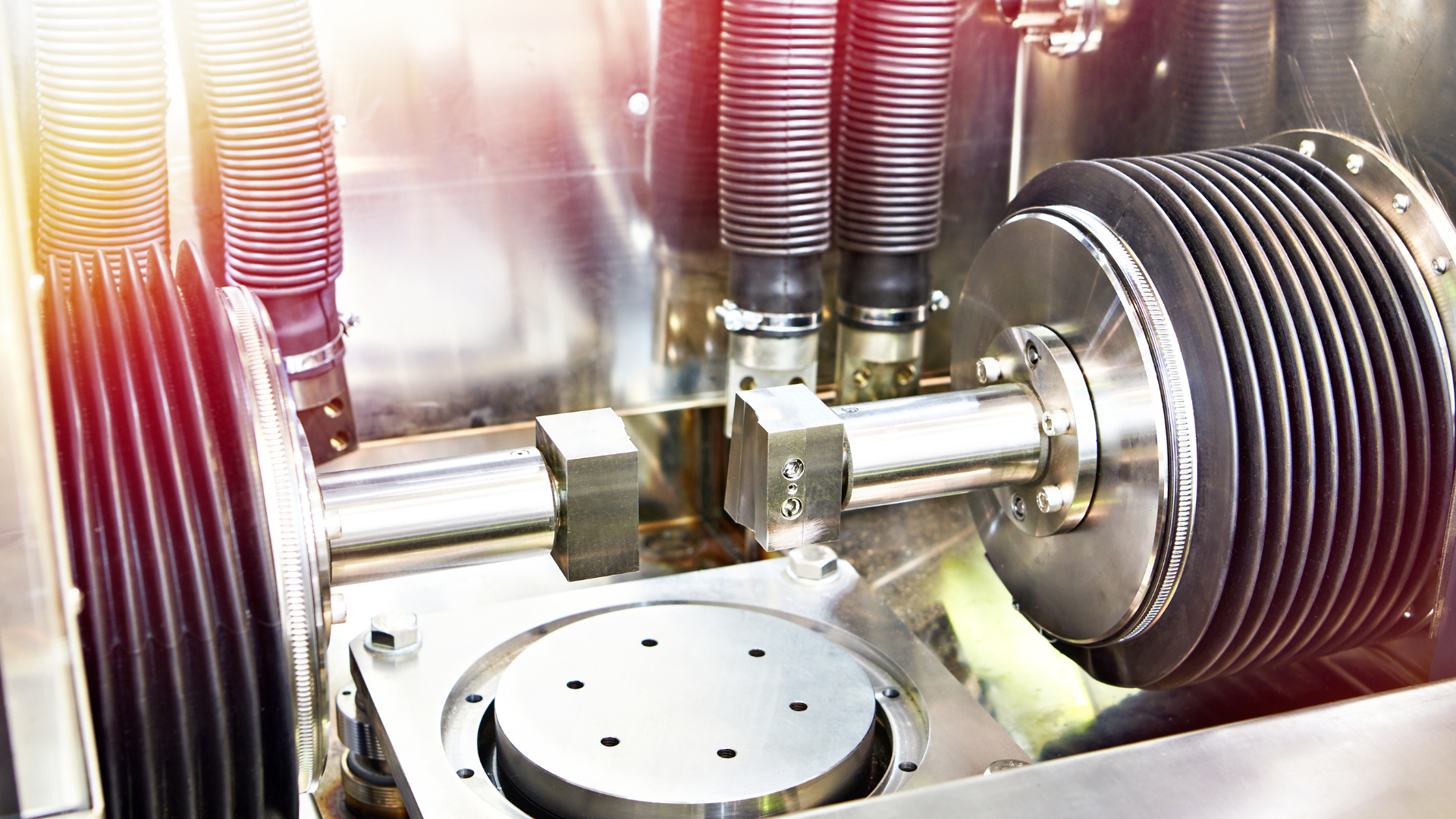
The part is submerged in a temperature-controlled electrolyte bath and connected as the anode. When current flows, metal ions dissolve preferentially from the high points, the microscopic burrs, ridges, and peaks, while recessed areas dissolve more slowly. The result is a leveled, polished surface without mechanical contact.
Because material removal is driven by electrical current rather than abrasion, electropolishing can treat suitable complex features and internal passages without abrasive contact, provided the process is designed and validated for those features; coverage and removal uniformity must be verified. It can also remove surface metal and associated free-iron contamination, which is important for stainless steel destined for corrosion-sensitive service.
How Electropolishing Improves Surface Finish On Stainless Steel
A qualified electropolishing process can reduce surface roughness and increase brightness; results depend on the starting surface and processing conditions.
Reduced Surface Roughness
By dissolving microscopic peaks more rapidly than valleys, electropolishing can reduce the average roughness (Ra) of a part. A smoother profile means fewer sites for contaminants or corrosion to take hold. Flow-performance benefits should be evaluated for the component and operating conditions.
Deburring and Cleaning
The process removes fine burrs and surface debris that mechanical finishing often leaves behind. Because it acts across exposed surfaces, it can reach recesses and internal features that hand or abrasive finishing struggle to address consistently, provided the process is validated for those geometries.
Brightened, Uniform Appearance
A qualified electropolishing process can produce a bright, reflective finish; appearance and roughness require specified acceptance criteria rather than unconditional promises. A suitable clean surface can support inspection, but electropolishing does not replace required nondestructive testing.
The Relationship Between Electropolishing And Passivation
Electropolishing and passivation share the same goal, a stable, corrosion-resistant surface, but electropolishing can combine metal removal with chromium enrichment.
Chromium Enrichment
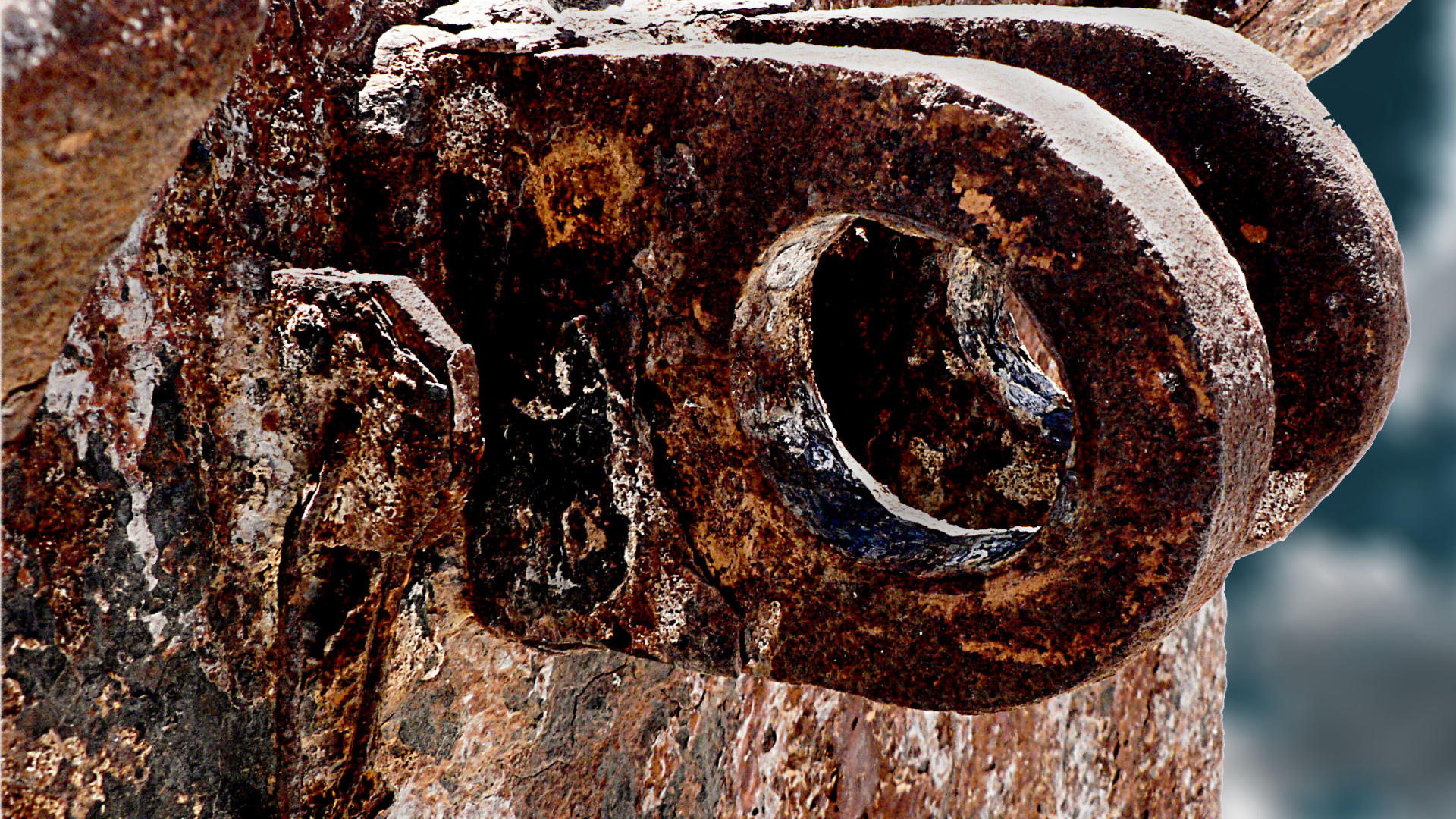
As electropolishing dissolves surface iron, it can leave behind a surface richer in chromium. Since chromium reacts with oxygen to form a passive oxide layer, the same protective barrier passivation is designed to create.
Contaminant Removal
Electropolishing electrochemically removes surface metal and can remove associated contamination. Chemical passivation removes free iron and other specified contaminants without intentionally leveling the surface.
A Passivating Effect
Because electropolishing both cleans the surface and enriches chromium content, it can inherently passivate the part within a controlled cleaning, treatment, and rinsing sequence. Relative performance of the alloy versus chemical passivation should be established for the process and intended environment.
Key Benefits Of Electropolishing For Aerospace Components
For flight-critical stainless steel, electropolishing offers advantages that mechanical finishing and standalone passivation may not match in a single step.
Enhanced Corrosion Resistance
Properly controlled electropolishing can improve corrosion resistance; pitting and crevice-corrosion performance and service-life benefits require validation for the alloy and exposure conditions.
Lower Friction and Wear
Electropolishing may benefit selected contacting surfaces, but improvements in friction, wear, and service life must be demonstrated through application-specific testing.
Improved Cleanability
Electropolishing is one option for contamination-sensitive stainless-steel components; its effectiveness must be established against defined surface conditions and cleanliness requirements.
Better Inspection Outcomes
A suitable clean surface can support inspection, but electropolishing does not replace required nondestructive testing or demonstrate compliance through appearance alone.
Electropolishing vs. Traditional Passivation: What Is the Difference?
The core difference is scope: passivation enhances corrosion resistance, whereas electropolishing can improve both finish and corrosion resistance.
Process Mechanism
Conventional chemical passivation removes free iron and other specified contaminants without intentionally leveling the surface. Electropolishing is an electrochemical process that removes surface metal, altering both the surface profile and its chemistry.
Surface Outcome
Passivation leaves the existing surface finish intact. Electropolishing actively smooths, brightens, and levels the surface while it protects against corrosion.
When to Use Each
Conventional passivation removes free iron and other contaminants; suitability depends on the applicable specification and acceptance requirements. Electropolishing is the stronger choice when finish quality, cleanability, low friction, and corrosion resistance all matter, common demands in aerospace.
Common Applications For Electropolished Stainless Steel In Aerospace
Electropolishing is applied where surface quality directly affects performance, safety, or cleanliness.
Fluid and Fuel Systems
Hydraulic fittings, fuel lines, and valve components can benefit from smooth internal surfaces; flow benefits should be evaluated for the component and operating conditions.
Moving and Wear-Prone Parts
Actuator shafts, bearings, and mating components rely on low-friction, wear-resistant surfaces; benefits must be demonstrated through application-specific testing.
Contamination-Sensitive Components
Parts requiring high cleanliness use electropolishing to minimize crevices where residue can accumulate, in accordance with defined cleanliness requirements.
How Valence Combines Electropolishing And Passivation For Aerospace Programs
Electropolishing demands process control, material knowledge, and a compliance infrastructure that works in lockstep. Here is how Valence is built to meet that standard.
Integrated Finishing Under One Platform
Our electropolishing capabilities are part of a fully integrated finishing ecosystem, including chemical processing, non-destructive testing, specialty plating, and coatings, eliminating supplier fragmentation that introduces schedule and quality risks.
To explore the full range of what we offer, visit our Valence Services Overview for a complete look at our capabilities across every finishing discipline.
Unified Quality Management Across Every Location
Every operation runs under the Valence Standard, our unified Quality Management System, ensuring consistent process control, traceability, and audit readiness. NADCAP accreditation and AS9100 certification back every job.
Rate-Ready Capacity For Aerospace Scale
From precision stainless steel components to large aerostructures, our facilities are rate-ready and scale-capable, built to protect your schedule without compromising surface integrity or compliance standing.
Final Thoughts
Electropolishing can give aerospace stainless steel parts a decisive edge: a smoother finish, potentially lower friction, and improved corrosion resistance, often combining separate finishing and passivation steps into one controlled process. For programs where flight safety, cleanliness, and reliability are non-negotiable, that synergy can translate into risk reduction and consolidated accountability. Valence delivers electropolishing and the full spectrum of aerospace finishing, built to scale with your production demands.
Frequently Asked Questions About Electropolishing For Aerospace Stainless Steel
Does electropolishing replace passivation on stainless steel aerospace parts?
Electropolishing can provide passivation, but it replaces a specified passivation operation only when permitted by the governing drawing, specification, and customer requirements.
How do electropolishing and passivation work together to improve corrosion resistance?
Electropolishing removes surface metal and can enrich surface chromium, while passivation reinforces the passive oxide film. Together, they can create a cleaner, chromium-rich surface that resists localized corrosion, subject to validation for the alloy and environment.
What is the best surface finish for hygienic or low-friction stainless components?
Electropolishing removes microscopic surface peaks to produce a smoother, cleaner profile than mechanical polishing alone, resisting contamination, reducing bacterial adhesion, and minimizing friction across sterile and tight-tolerance applications.
Can electropolishing reduce friction on moving stainless steel aerospace parts?
Electropolishing may benefit selected contacting surfaces by smoothing microscopic peaks, but improvements in friction, wear, and service life must be demonstrated through application-specific testing.
How does electropolishing compare to mechanical finishing methods for aerospace applications?
Electropolishing can treat suitable complex features and internal passages without abrasive contact, provided the process is validated. It deburrs, smooths, and passivates simultaneously on features that hand or abrasive methods can’t finish evenly, though coverage and uniformity must be verified.
What is the difference between electropolishing and passivation in stainless steel finishing?
Conventional chemical passivation removes free iron and other specified contaminants without intentionally leveling the surface. Electropolishing is an electrochemical process that removes surface metal, improving both surface finish and corrosion resistance.