
Key Takeaways:
- Two Types, Two Jobs: In commonly used titanium designations, Type III color anodizing supports identification, while Type II functional anodizing resists galling and wear, as verified against the drawing.
- Spec-Driven Process: Aerospace titanium anodizing follows specifications such as AMS2488, where validated processing, not voltage alone, determines color and performance.
- Vendor Qualification Matters: Flight-critical work calls for a processor whose accreditation, process scope, and customer approvals meet the contract requirements.
On a flight line or in a hangar, a misidentified titanium component is not a paperwork error; it is a safety risk waiting to happen. Titanium anodizing solves that problem while delivering something conventional coatings cannot: a durable, color-coded oxide layer that improves part identification without sacrificing wear resistance. The challenge is knowing which anodizing approach fits the application, and which specifications govern the process.
At Valence Surface Technologies, we offer titanium anodizing as part of an integrated surface finishing network operating under a common quality management system. When parts are flight-critical, the process behind the color matters as much as the color itself.
In this piece, we’ll cover how titanium anodizing works, how it enables color coding and wear resistance, how it differs from aluminum anodizing, the specs that govern it, and where it fits in aerospace manufacturing.
What Is Titanium Anodizing And How Does It Work?
Titanium anodizing is an electrochemical process that grows a controlled oxide layer on titanium and its alloys through an electrolytic bath. Unlike aluminum anodizing, which uses sulfuric or chromic acid to form a porous layer that can be dyed, titanium anodizing relies on the oxide’s thickness to produce color through thin-film interference.
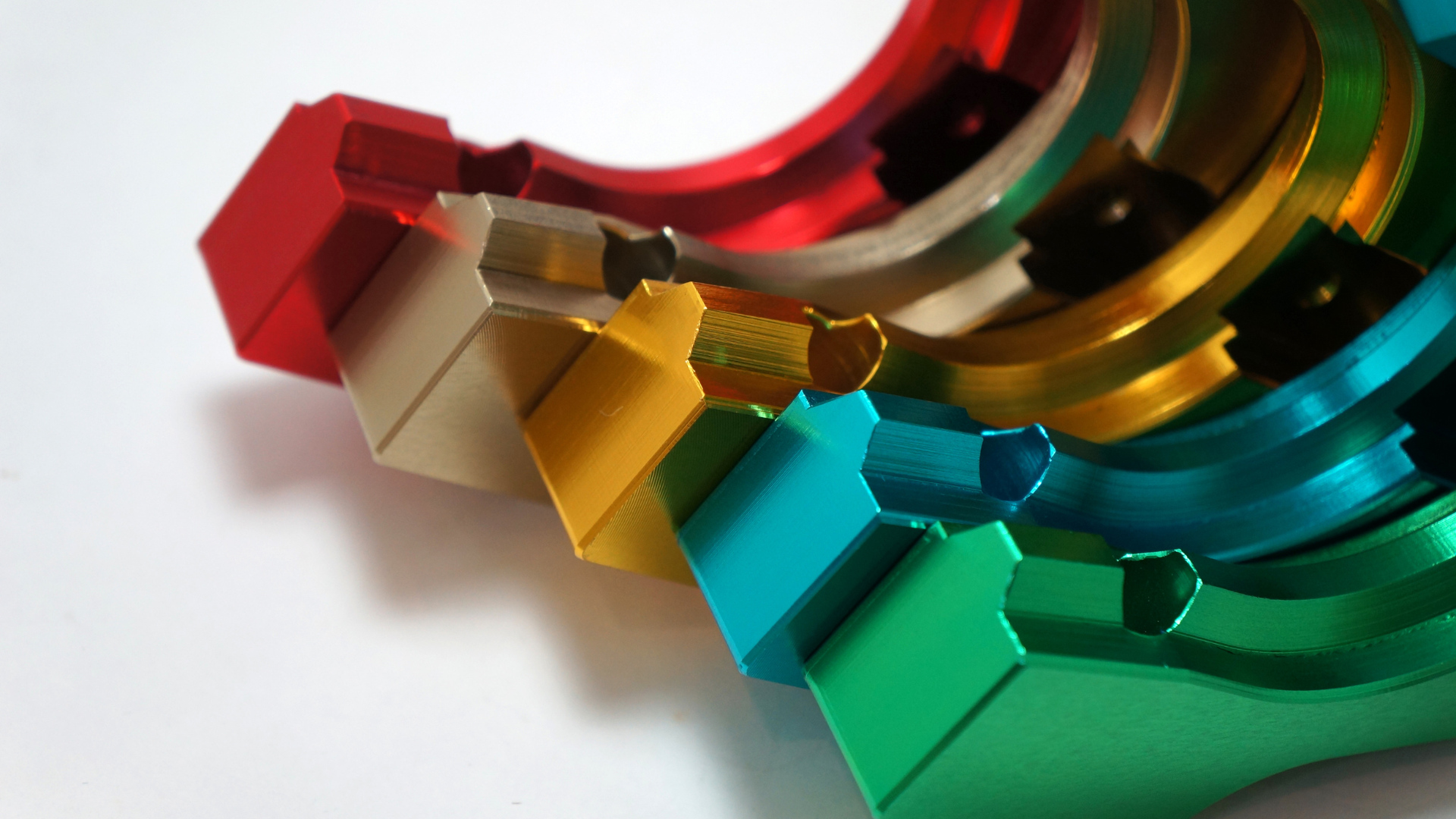
As voltage increases during the process, the oxide layer thickens, and light passing through it produces colors ranging from gold and blue to purple and green, no dyes required. This makes color a direct function of oxide thickness and voltage control, not a separate dyeing step.
How Titanium Anodizing Enables Color Coding For Part Identification
Color coding turns titanium anodizing into a visual identification aid. On complex builds with many near-identical fasteners and brackets, a consistent color scheme can help reduce mix-ups and support traceability.
Voltage-Controlled, Dye-Free Color
Because color depends on oxide thickness, hues correspond to validated process settings. Interference colors contain no dye to fade, but abrasion or other changes to the oxide can alter their appearance; handling and service durability should be validated for the application.
Practical Use on Fasteners and Brackets
Customer-defined colors can provide a supplementary identification cue. Program-specific documentation should define any torque, alloy, or program meanings before relying on them.
Traceability and Error-Proofing
Standardized color coding can serve as a low-cost identification aid that reinforces, rather than replaces, documentation-based traceability.
Wear Resistance And Surface Hardness Benefits Of Titanium Anodizing
Beyond color, qualified functional anodizing can improve how surfaces perform under contact and motion.
Anti-Galling Performance
Titanium is prone to galling when two surfaces slide against each other. Qualified functional anodizing can reduce galling and improve wear performance in specified contact conditions.
Reduced Friction and Wear
Friction, dimensional effects, lubricant requirements, and service life depend on the treatment and application; supplier guidance specifies lubricants and mating-material considerations for wear performance.
Corrosion and Fatigue Considerations
Selected anodizing treatments can improve corrosion or contact performance. Fatigue effects must be substantiated for the specified alloy, preparation, treatment, and application.
Titanium Anodizing vs. Aluminum Anodizing: Key Differences
Both processes form an oxide layer, but they behave differently, and specs, colors, and performance don’t carry over between them.
Color Mechanism
Many colored aluminum finishes use dyes or electrolytic coloring in a porous oxid. Conventional titanium color anodizing uses optical interference and generally does not require dye-trapping sealing; film structure and post-treatment depend on the process.
Coating Thickness and Structure
Aluminum oxide layers can be built substantially thicker, especially hardcoat types. Titanium color films are comparatively thin, though this contrast should not be generalized to every titanium anodic treatment.
Application Fit
Aluminum anodizing is common for corrosion protection and paint adhesion on airframe structures. Titanium anodizing is chosen for identification, anti-galling, and wear on high-strength titanium hardware.
Specification And Compliance Requirements For Titanium Anodizing
In aerospace, titanium anodizing is only as good as its adherence to specification. Controlled voltage, bath chemistry, and process documentation separate a certified finish from a cosmetic one.
Governing Standards
AMS2488F covers alkaline anodic treatment of titanium and titanium alloys at solution pH 13 or higher. Apply the specification, revision, and customer requirements invoked by the drawing or purchase order; do not assume AMS2488 governs every color-anodizing process.
Type Classifications
Commonly used designations distinguish a functional anti-galling treatment (Type II) from an interference-color treatment (Type III), but these are not universal classifications automatically established by every specification. The type called out on the drawing determines the process parameters used.
Documentation and Audit Readiness
Flight-critical work requires full process traceability, qualified operators, and controlled records. Leading aerospace companies require Nadcap accreditation for many processes; verify accreditation where required, along with applicable OEM approvals.
Common Applications For Titanium Anodizing In Aerospace Manufacturing
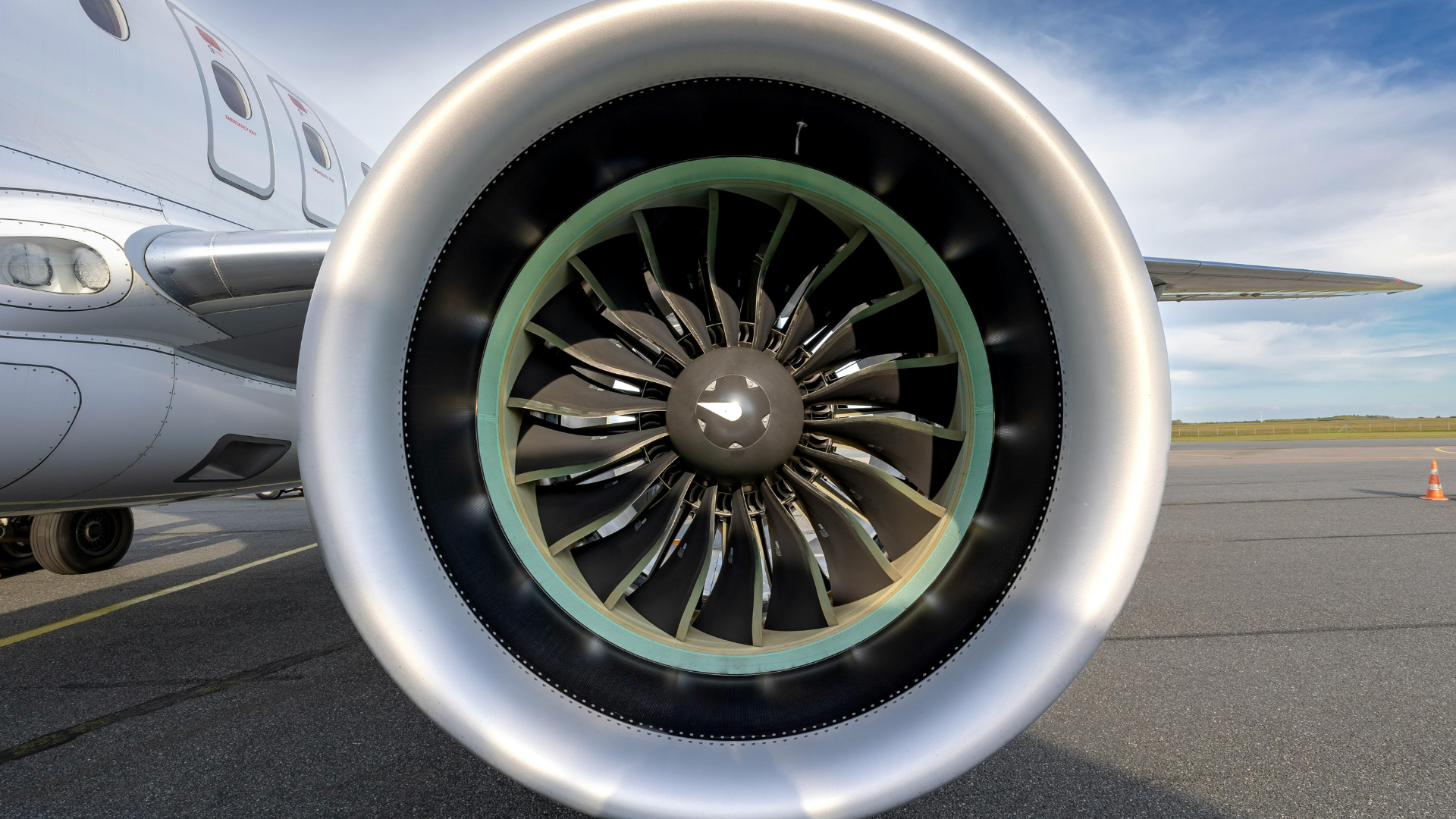
Titanium anodizing appears where identification, wear, or galling risk meets high-strength titanium hardware.
Fasteners and Brackets
Color-coded fasteners and brackets are common applications that can streamline assembly and help reduce installation errors.
Moving and Load-Bearing Components
Specified anti-galling treatments protect threaded assemblies, pins, bushings, and sliding parts subject to repeated contact.
Engine, Structural, and Space Hardware
Documented applications include turbine and engine components, bearings, pins, and space mechanisms.
How Valence Supports Titanium Anodizing Across Aerospace Programs
We treat titanium anodizing as part of a complete surface-finishing solution, not a standalone job passed between vendors. To learn more about what we offer across our network, explore our Valence Services Overview.
One Integrated Platform
Valence offers integrated finishing services, including non-destructive testing, chemical processing, plating, coatings, and shot peening, across its network of facilities.
Unified Quality and Compliance
Valence sites share a common quality management system, though capabilities and customer approvals vary by site.
Built to Scale
With a nationwide facility network and ongoing investment in technology and workforce, we work to stay rate-ready for high-volume programs and mission-critical parts.
Final Thoughts
Titanium anodizing helps address two persistent aerospace challenges: telling near-identical parts apart and protecting high-strength hardware from galling and wear. The difference between a decorative finish and a flight-ready one comes down to spec control, documentation, and a qualified processor. When color coding and wear resistance are non-negotiable, an integrated, audit-ready partner like Valence helps protect both your parts and your program schedule.
Frequently Asked Questions About Titanium Anodizing For Aerospace
What are the benefits of anodizing titanium aerospace parts?
Anodizing titanium can add durable color coding for identification, improve anti-galling performance, and enhance corrosion resistance in specified conditions. Because interference color comes from oxide thickness rather than dye, it resists fading, though abrasion can alter appearance.
What is the best process for color-coding titanium fasteners and brackets?
Interference-color anodizing (commonly Type III), as approved by the drawing, uses controlled processing to produce specific, repeatable colors. Since no dye is used, colors stay consistent under normal handling.
What is the difference between Type II and Type III titanium anodizing?
In commonly used designations, Type II is a functional anti-galling treatment, while Type III is an interference-color treatment for identification. Always confirm the meaning against the governing specification and drawing.
How do I choose a qualified titanium anodizing vendor for flight-critical parts?
Select a processor whose facility, process scope, quality system, and customer approvals satisfy the contract; verify Nadcap accreditation where required, along with applicable OEM approvals and documentation.
What colors can titanium be anodized in?
Titanium can be anodized into blue, gold, purple, green, pink, and other hues. Each color corresponds to an oxide thickness set within a validated process, following a predictable interference-color sequence.
Does anodized titanium lose its color?
Interference colors contain no dye to fade, but their appearance can shift if the surface is abraded, scratched, or exposed to conditions that alter the oxide layer. Handling and service durability should be validated for the application.