
Key Takeaways:
- Standard Selection Impact: The chosen specification directly influences compliance, documentation rigor, and supplier qualification requirements.
- Process Control Differences: Variations in chemical methods and validation approaches affect consistency, traceability, and audit readiness.
- Operational Alignment: Scalable, multi-site capabilities help maintain program continuity and reduce supply chain risk.
Precision at the surface level defines performance at every level.
Specification choice shapes far more than a finishing step. In regulated manufacturing, selecting between standards is not a procedural detail but a program-level decision that influences compliance exposure, audit readiness, and long-term production stability. The difference between frameworks can determine how consistently parts perform under stress, how efficiently suppliers scale output, and how confidently programs move through validation cycles tied to ASTM A967 passivation stainless steel standard requirements.
Valence brings a uniquely integrated perspective to this decision space. Its unified quality system and multi-process capabilities provide the operational clarity needed to execute both flexible and tightly controlled passivation frameworks across complex production environments.
In this piece, we will be discussing how ASTM and AMS passivation standards differ, how those differences impact process control and compliance, and how to determine which approach aligns with your program requirements.
ASTM A967 Vs AMS 2700: Understanding The Core Differences In Passivation Standards
ASTM and AMS specifications diverge most significantly in how they define process control, documentation rigor, and acceptance criteria across regulated manufacturing environments. ASTM frameworks provide flexibility in method selection, allowing operators to choose from multiple chemical treatments and verification paths based on material condition and performance requirements. This adaptability supports a wider range of industrial applications but places greater responsibility on the processor to validate outcomes.
AMS standards impose tighter controls, often specifying exact process sequences, chemical concentrations, and validation steps required for aerospace and defense programs. These requirements align closely with OEM mandates and contractual obligations, reducing variability across suppliers but increasing compliance burden. The distinction directly impacts supplier qualification, audit readiness, and the level of oversight required during production, particularly in programs where traceability and repeatability are non-negotiable.

What Drives The Selection Between ASTM A967 And AMS 2700 In Regulated Programs
Program selection is shaped by compliance obligations, customer specifications, and the level of process control required across production. Decision-makers evaluate not only technical compatibility but also audit exposure, documentation expectations, and supplier capability alignment. In regulated environments, the chosen standard must integrate cleanly into existing quality systems while supporting long-term program stability:
Program-Specific Compliance Requirements And Customer Mandates
Customer contracts and engineering drawings frequently dictate the required specification, particularly in aerospace and defense programs. OEM-driven mandates often favor stricter frameworks tied to qualification protocols, reducing variability across the supply chain while reinforcing audit traceability and contractual compliance expectations.
Material Performance Expectations And End-Use Conditions
Performance requirements tied to corrosion resistance, cleanliness, and surface integrity influence specification selection. Components exposed to aggressive environments or mission-critical conditions require tightly controlled processing and validation, ensuring consistent outcomes across production lots and minimizing risk tied to material degradation.
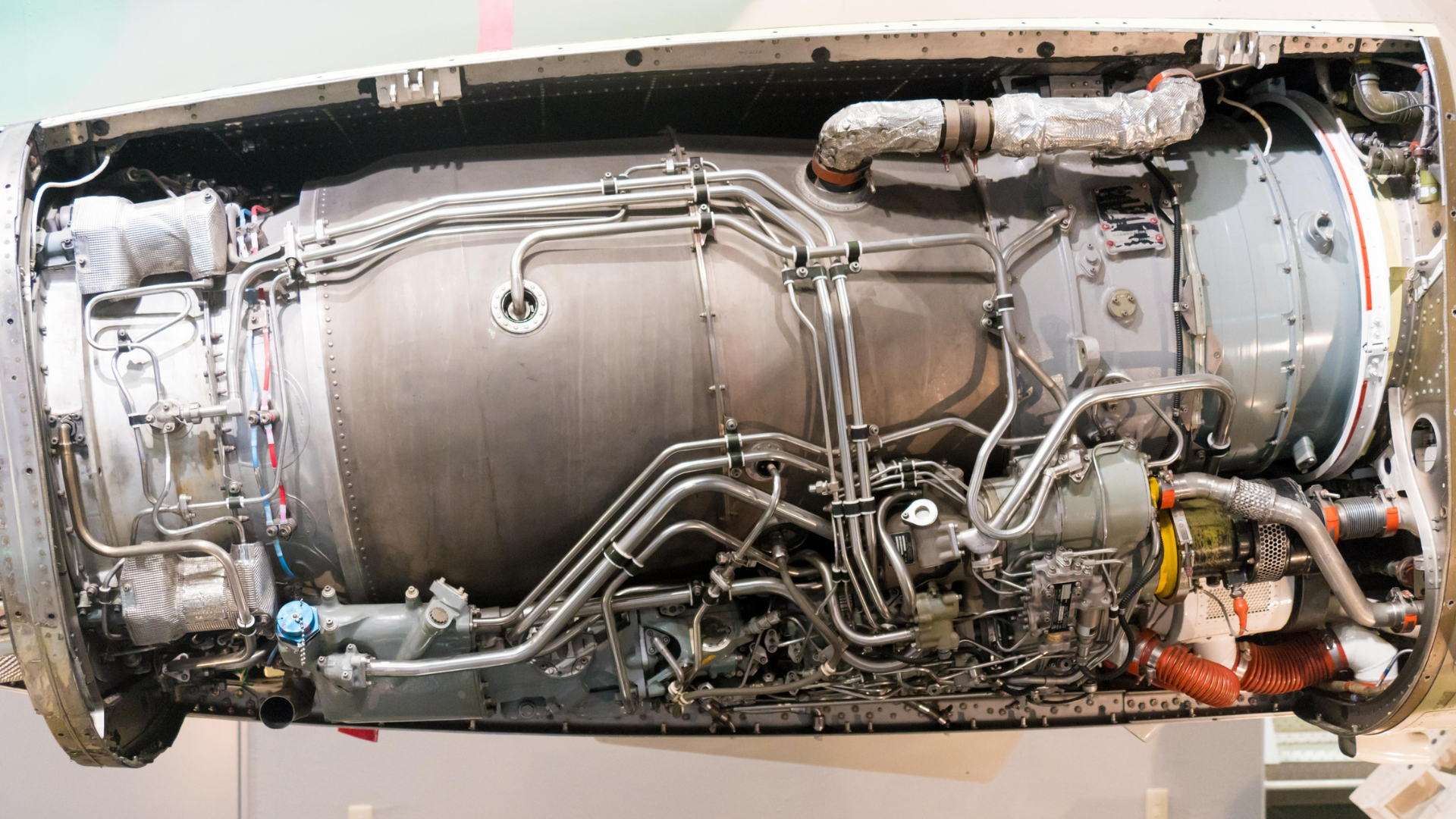
ASTM A967 Passivation Stainless Steel Standard In Aerospace And Defense Applications
This specification supports a range of nitric and citric acid treatments designed to remove free iron while preserving the integrity of corrosion-resistant alloys. Its flexibility allows processors to tailor methods based on alloy composition, prior machining conditions, and cleanliness requirements, which is critical when handling diverse component geometries across production programs.
In high-reliability sectors, ASTM A967 stainless steel passivation is applied where adaptability is required without compromising verification standards. The framework allows multiple acceptable testing methods, including water immersion and humidity exposure, enabling suppliers to align validation approaches with internal quality systems. Within this context, passivation ASTM A967 is often selected for programs that require controlled variability while maintaining compliance with established corrosion-resistance benchmarks.
How ASTM A967 Passivation And AMS 2700 Passivation Affect Process Control And Validation
Process control and validation requirements vary significantly depending on the governing specification. These differences influence chemical selection, documentation depth, and inspection rigor across production environments. Understanding how each framework defines execution and verification is critical for maintaining compliance and supporting audit readiness:
Chemical Treatment Methods And Documentation Requirements
Each standard defines acceptable chemical processes differently, with one allowing broader method selection while the other prescribes tightly controlled procedures. Documentation requirements follow the same pattern, ranging from flexible reporting formats to highly structured records aligned with aerospace compliance expectations.
Testing Protocols, Traceability, And Audit Readiness
Verification approaches differ in how testing is performed and documented across production lots. Traceability requirements may extend to detailed batch-level records, supporting audit transparency and enabling rapid validation during customer or regulatory inspections.
Where Valence Aligns Passivation Capabilities With Program Requirements
Valence integrates passivation into a broader, high-capacity surface-finishing platform designed to support regulated manufacturing at scale. With standardized quality systems across multiple facilities, programs benefit from consistent processing, centralized oversight, and reduced variability across production runs. This alignment is critical for organizations managing complex supplier networks and strict compliance obligations.
Operational reach is supported through facilities such as Stainless Steel Passivation Services Houston and Stainless Steel Passivation Services Dallas, enabling geographic flexibility while maintaining unified process control. This multi-site capability supports program continuity, reduces logistical friction, and allows production to scale without introducing new supplier risk.

Final Thoughts
Selecting the appropriate standard requires alignment between engineering requirements, customer specifications, and supplier capability. Programs operating under strict aerospace or defense mandates often require tightly controlled processing frameworks, while others may benefit from flexible methodologies that still meet corrosion-resistance and cleanliness expectations.
Valence supports both specification pathways within a unified quality system designed for regulated manufacturing. This approach reduces supplier fragmentation, strengthens audit readiness, and provides the operational consistency required to sustain high-reliability production across complex, multi-tier supply chains.
Selecting the appropriate standard requires alignment between engineering requirements, customer specifications, and supplier capability. Programs operating under strict aerospace or defense mandates often require tightly controlled processing frameworks, while others may benefit from flexible methodologies that still meet corrosion-resistance and cleanliness expectations.
Valence supports both specification pathways within a unified quality system designed for regulated manufacturing. This approach reduces supplier fragmentation, strengthens audit readiness, and provides the operational consistency required to sustain high-reliability production across complex, multi-tier supply chains.
Frequently Asked Questions About ASTM A967 Vs AMS 2700: Which Passivation Standard Does Your Program Require?
What is the main difference between ASTM and AMS passivation standards?
The primary difference lies in control and specificity. One framework allows broader process flexibility, while the other enforces tightly defined procedures, documentation, and validation requirements aligned with aerospace and defense programs.
Which industries typically require stricter passivation specifications?
Aerospace, defense, space, and medical manufacturing environments often require stricter specifications due to regulatory oversight, safety-critical performance, and the need for full traceability across production cycles.
How do customer requirements influence standard selection?
Customer drawings, contracts, and OEM mandates often dictate the required specification. These requirements override internal preferences and must be followed to maintain compliance and avoid program risk.
What role does audit readiness play in choosing a passivation standard?
Audit readiness affects documentation depth, traceability, and validation protocols. Programs subject to frequent audits benefit from standards that provide structured records and consistent process control.
Can a supplier support multiple passivation standards within the same facility?
Yes, qualified suppliers can operate under multiple specifications if their quality management systems support process segregation, documentation control, and validated procedures for each standard.
How does passivation impact corrosion resistance in stainless steel components?
The process removes surface contaminants and enhances the natural oxide layer, improving resistance to corrosion and extending the service life of components in demanding environments.
Why is traceability important in passivation processes?
Traceability links each processed part to specific batches, treatments, and inspections. This is critical for root cause analysis, compliance verification, and maintaining accountability in regulated industries.
What factors affect the scalability of passivation in production?
Facility capacity, process standardization, workforce expertise, and equipment capability all influence how effectively passivation can scale without compromising quality or delivery timelines.
How do validation methods differ across passivation specifications?
Validation methods vary in structure and rigor, with some allowing multiple acceptable testing approaches and others requiring predefined inspection criteria and documentation formats.
What should procurement teams evaluate when selecting a passivation partner?
Teams should assess certifications, processing capacity, geographic coverage, audit history, and the ability to maintain consistent quality across multiple facilities.