
Key Takeaways:
- Custom aerospace coatings enhance durability, stealth, and mission readiness: Specialized coatings protect against extreme heat, corrosion, wear, and detection in military environments.
- Compliance with MIL-SPEC, NADCAP, and AS9100 is essential: Military aerospace coatings must meet strict certification and traceability standards for defense programs.
- Material compatibility and environment drive coating selection: Substrate type, mission conditions, and lifecycle requirements determine the right coating solution for each application.
What happens when a critical aerospace component faces extreme heat, pressure, and corrosion in a military environment? Without the right coating, even advanced systems can fail, like armor with hidden weak points. In defense aerospace, coating performance directly impacts durability, reliability, and mission readiness.
Valence Surface Technologies brings decades of expertise, thousands of industry approvals, and fully integrated finishing capabilities across U.S. facilities, supporting complex military requirements with precision and consistency.
This piece covers key aspects of custom aerospace coating solutions for military applications, including coating types, performance requirements, and compliance standards.
What Are Custom Aerospace Coating Solutions For Military Applications?
Custom aerospace coating solutions for military applications are specialized surface treatments designed to improve durability, performance, and compliance in defense aviation and spacecraft. They are engineered to meet strict military requirements for mission readiness, protection, and regulatory standards.
Key Components:
- Material Compatibility: Coatings are tailored to advanced alloys, composites, and hybrid materials to maintain structural integrity and performance.
- Corrosion & Wear Protection: They shield components from harsh conditions like salt exposure, chemicals, and extreme temperatures, extending lifespan and reliability.
- Stealth Capabilities: Low-reflectivity and signature-control coatings help reduce radar, infrared, and visual detection.
- Regulatory Compliance: Must meet strict standards such as MIL-SPEC, NADCAP, and OEM requirements for quality and traceability.
- Durability & Maintenance: Designed for longevity, easy repair, and reduced maintenance to support continuous military operations.
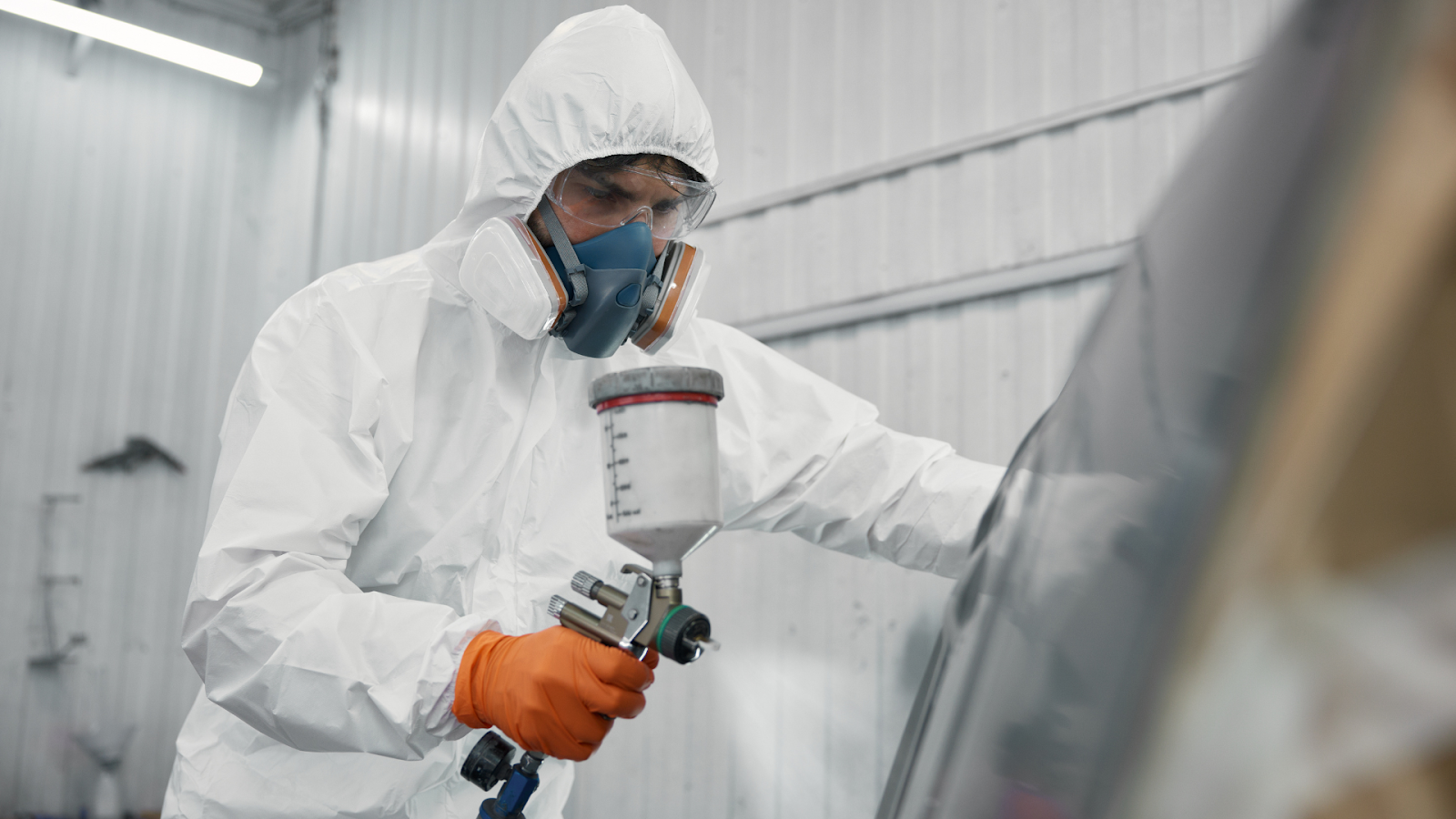
Key Performance Requirements For Military Aerospace Coatings
Military aerospace applications present stringent technical requirements for coating systems, shaped by hostile environments, mission parameters, and evolving regulatory standards. The following attributes define operational expectations for custom aerospace coating solutions for military applications.
Corrosion Resistance
Coatings must prevent material degradation caused by salt fog, humidity, and corrosive atmospheres commonly encountered in deployed environments. Longevity and reduction of the maintenance cycle remain primary objectives. In high-humidity and coastal environments, our capabilities like cadmium plating florida help ensure long-term corrosion protection for mission-critical components.
Chemical and Biological Protection
Effective chemical resistance shields substrates from jet fuels, hydraulic fluids, and decontaminants, as well as potential exposure to chemical and biological agents.
Abrasion and Impact Durability
Coatings must maintain integrity under mechanical stress, withstand foreign-object damage, sand erosion, and repeated handling throughout an asset’s service life.
Stealth and Electromagnetic Properties
Surface systems often integrate radar-absorbing materials and electromagnetic compatibility, supporting low observability and electronic warfare resilience.
Thermal Stability
Thermal cycling and high-temperature exposure demand coatings that retain performance metrics across a wide range of operational climates.
Coating Uniformity and Precision
Consistently applied finishes to critical tolerances support aerodynamic performance, structural reliability, and fitment within tightly engineered assemblies.
Compliance and Traceability
Adherence to MIL-SPEC, NADCAP, and other aerospace/defense certifications ensures parts meet audit-ready and program-mandated quality standards at every processing step.
Common Coating Types Used In Defense Aerospace Systems
Aerospace and defense systems operate in some of the harshest environments, demanding highly specialized coatings engineered for performance, compliance, and reliability. Below are key coating categories utilized in military aerospace applications.
Corrosion Protective Coatings
Corrosion inhibition remains a primary objective in defense aerospace. Anodizing, conversion coatings, and advanced plating protect mission-critical alloys against environmental degradation, ensuring components maintain integrity during extended deployment cycles. Our large-scale processing capabilities, including industrial metal finishing houston, support consistent, high-quality outcomes across complex aerospace programs.
Chemical-Resistant Coatings
Chemical-resistant finishes provide essential barriers against exposure to aggressive fluids, such as hydraulic oils, de-icing agents, and jet fuel. Epoxy-based and polyurethane topcoats are frequently specified to prevent breakdown in chemically extreme operational theaters.
High-Temperature Coatings
Military aircraft and support systems encounter elevated thermal loads. Ceramic coatings and specialized heat-resistant paints are employed on engine parts, exhaust components, and leading edges to maintain performance and prevent oxidative damage at temperature extremes.
Low-Observable (Stealth) Coatings
Stealth coatings are engineered with low radar and infrared signatures, supporting tactical survivability. These advanced coatings manipulate electromagnetic reflectivity while preserving mechanical robustness and service life.
Wear-Resistant Coatings
To extend service intervals and avert downtime, aerospace systems integrate hard anodized layers, nickel-boron platings, and similar wear-resistant treatments on components subject to high friction, abrasion, or cyclic stress.
Electrically Conductive and Insulating Coatings
Sensitive avionics and antenna arrays require coatings with controlled electrical properties. Conductive and insulating finishes support electromagnetic compatibility and protection against static discharge and EMI.
These coatings are specified with precision to align with stringent program requirements, supporting system resilience, compliance, and operational longevity.
Materials And Substrates In Military Coating Applications
The performance and durability of coatings in military aerospace environments depend heavily on the specific materials and substrates involved. Selecting and treating these substrates demands careful attention to engineering requirements, operational stressors, and evolving compliance standards.
Aluminum Alloys
Widely used in primary aerospace structures, aluminum alloys require surface treatments that balance corrosion protection, weight constraints, and fatigue life. Advanced pretreatment and conversion coatings are applied to promote adhesion, inhibit oxidation, and ensure compatibility with mission-specific topcoats.
Titanium Alloys
Titanium’s high strength-to-weight ratio and corrosion resistance make it ideal for critical structural parts and propulsion systems. Coating solutions must accommodate unique cleaning and activation steps to enable robust adhesion without compromising titanium’s inherent performance characteristics.
High-Strength Steels
Specialty steels are used in landing gear, fasteners, and armor components, all of which require coatings that protect against hydrogen embrittlement, corrosion, and wear. Custom plating and peening processes are tailored to preserve substrate integrity under high mechanical loads and extreme service conditions.
Our precision processes, including cadmium plating in houston tx, are engineered to preserve substrate integrity under high mechanical loads and extreme service conditions.
Composite Materials
Modern military airframes increasingly use composite substrates for their lightweight, high-strength-to-stiffness properties. Coating these materials requires specialized primers and adhesives that address thermal expansion differences and the risk of delamination while meeting stringent military specifications.
Specialty Alloys and Exotic Substrates
Applications such as hypersonics, electronic warfare, and space platforms often mandate coatings for less common alloys, nickel, cobalt, or magnesium, each presenting distinct adhesion, conductivity, and environmental compatibility challenges. Our nationwide footprint, including facilities like industrial metal finishing augusta ga, ensures consistent process control and scalability across programs.
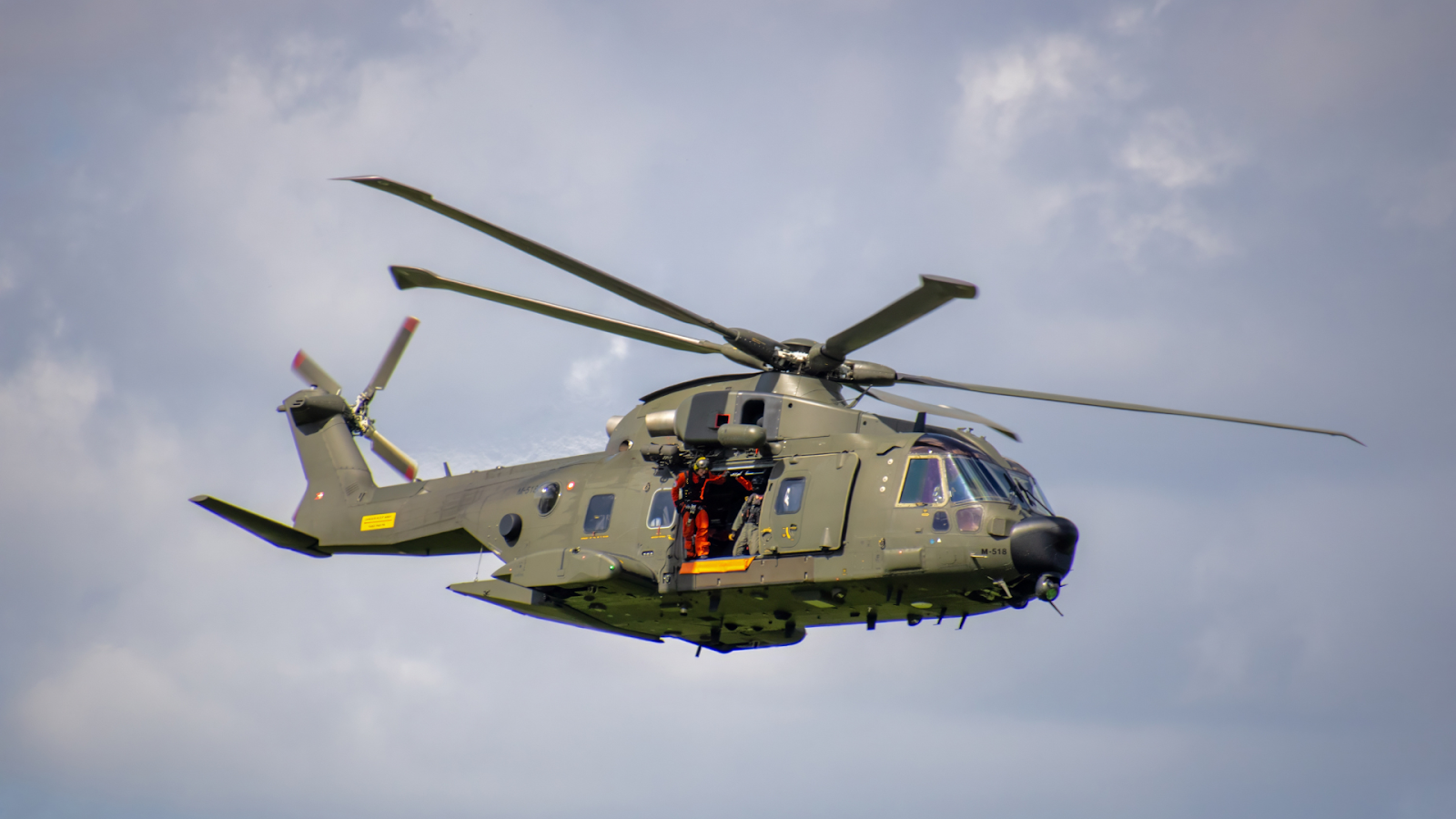
Compliance Standards And Certifications In Military Aerospace Finishing
In military aerospace, compliance is foundational to both operational security and program reliability. Stringent standards and meticulous certification processes govern every aspect of surface finishing, ensuring that each part performs as required under demanding conditions.
Nadcap Accreditation
Among the highest benchmarks, Nadcap evaluates process controls for chemical processing, non-destructive testing, shot peening, and coatings. Accreditation requires comprehensive documentation, audit rigor, and demonstrated process repeatability, every cycle, every batch.
ITAR and DFARS Requirements
Adherence to ITAR (International Traffic in Arms Regulations) and DFARS (Defense Federal Acquisition Regulation Supplement) ensures the safeguarding of controlled technical data. These frameworks mandate secure handling, audited traceability, and supplier vetting specific to defense contracts.
AS9100 and ISO 9001 Quality Systems
AS9100, which builds on ISO 9001, defines quality management for the aerospace and defense industry. Certification reflects standardized procedures for document control, corrective action, risk management, and continual improvement, key to audit readiness and program longevity.
Material and Process Certifications
Parts must meet precise material and process certifications defined by agencies like SAE, SAE AMS, and MIL-SPEC. Detailed traceability records and conformance documentation back each operation, enabling transparent, auditable supply chains critical to military contracting.
Audit Preparedness and Continuous Improvement
Sustained audit readiness is a requirement, not an aspiration. Regular internal and external reviews, corrective action programs, and root-cause analyses underpin compliance. This discipline preserves both program trust and production continuity throughout the aerospace supply chain.
Factors That Influence Coating Selection And Performance
Selecting the right coating is critical to ensuring reliability in military aerospace applications. Factors such as environment, material compatibility, and compliance directly affect performance, lifespan, and mission success.
Key Factors:
- Mission Environment: Coatings must withstand extreme conditions like UV exposure, temperature swings, corrosion, and chemical threats.
- Material Compatibility: Proper alignment with substrates (aluminum, titanium, steel, composites) ensures adhesion and prevents corrosion.
- Regulatory Compliance: Must meet standards such as MIL-SPEC and NADCAP for quality, traceability, and audit readiness.
- Durability & Maintenance: Long-lasting coatings reduce downtime, maintenance needs, and overall lifecycle costs.
- Application Efficiency: Scalable, repeatable processes are essential for high-volume military production.
- Environmental & Safety Standards: Compliance with regulations like REACH and RoHS ensures safe, sustainable operations, supported by specialized processes such as our manganese phosphate plating new york.

Final Thoughts
Custom aerospace coating solutions for military applications are not just protective layers; they are mission-critical systems that directly influence performance, survivability, and long-term operational success. From corrosion resistance and thermal stability to stealth capabilities and strict regulatory compliance, every coating must be precisely engineered to meet the demands of modern defense environments. As military technologies evolve, partnering with experienced providers like Valence Surface Technologies ensures consistency, certification readiness, and the ability to meet complex program requirements with confidence.
Frequently Asked Questions About Custom Aerospace Coating Solutions For Military Applications
How do aerospace coatings protect military aircraft?
Aerospace coatings safeguard military aircraft by providing resistance to corrosion, environmental degradation, and operational wear, ensuring mission readiness and extended service life.
What materials are suitable for military-grade aerospace coatings?
Approved military aerospace coatings utilize high-performance materials such as polyurethanes, epoxies, and fluoropolymer systems, each selected for specific durability, chemical resistance, and compliance needs.
Are custom colors available for military aerospace coatings?
Yes, custom color-matching is standard and can be tailored to exact program requirements, including camouflage and low-visibility specifications.
Are there coatings that resist chemical and biological agents?
Specialized coatings are available that provide resistance to chemical, biological, and radiological threats, enhancing survivability in hostile environments.
Can coatings be repaired or touched up in the field?
Military-approved repair processes and touch-up kits are available, allowing field teams to restore coating integrity without returning parts to a central facility.
How are custom coatings tailored to specific military missions?
Coatings are engineered to mission specifications, accounting for operational environment, threat profile, substrate compatibility, and compliance with applicable defense standards.