
Key Takeaways:
- Black anodizing is a dyed and sealed oxide layer grown from the aluminum itself, which is why it resists chipping and peeling far better than paint. The color lives within the pores, so sealing and thickness matter as much as the dye itself.
- Class 2 on a drawing means the coating is dyed and sealed, so the type, class, color, and any thickness or shade requirement should be stated up front. Clear callouts prevent disputes at inspection.
- Colorfastness depends on seal quality, coating thickness, dye selection, and UV exposure, so parts used outdoors or in high-light areas should be reviewed with the finisher before release. Interior hardware is far more forgiving.
A finish that fades from deep black to dull bronze after a few years in service is more than a cosmetic problem. On aerospace hardware, color can signal glare control, part identification, or a coating intended to last as long as the aircraft. Yet black anodizing remains one of the more misunderstood finishes in the industry, with open questions around dye chemistry, fade resistance, and specification requirements.
Valence Surface Technologies, the world’s largest independent aerospace metal finishing provider, supports aviation, defense, and space programs with sulfuric and hard anodizing run under strict process control, which gives it a practical view of what separates a durable black finish from one that disappoints.
In this piece, we will cover what black anodizing is, how the dye process works, what the specification requires, what drives colorfastness, and how to choose between Type II and Type III.
What Is Black Anodizing and Why Is It Used in Aerospace?
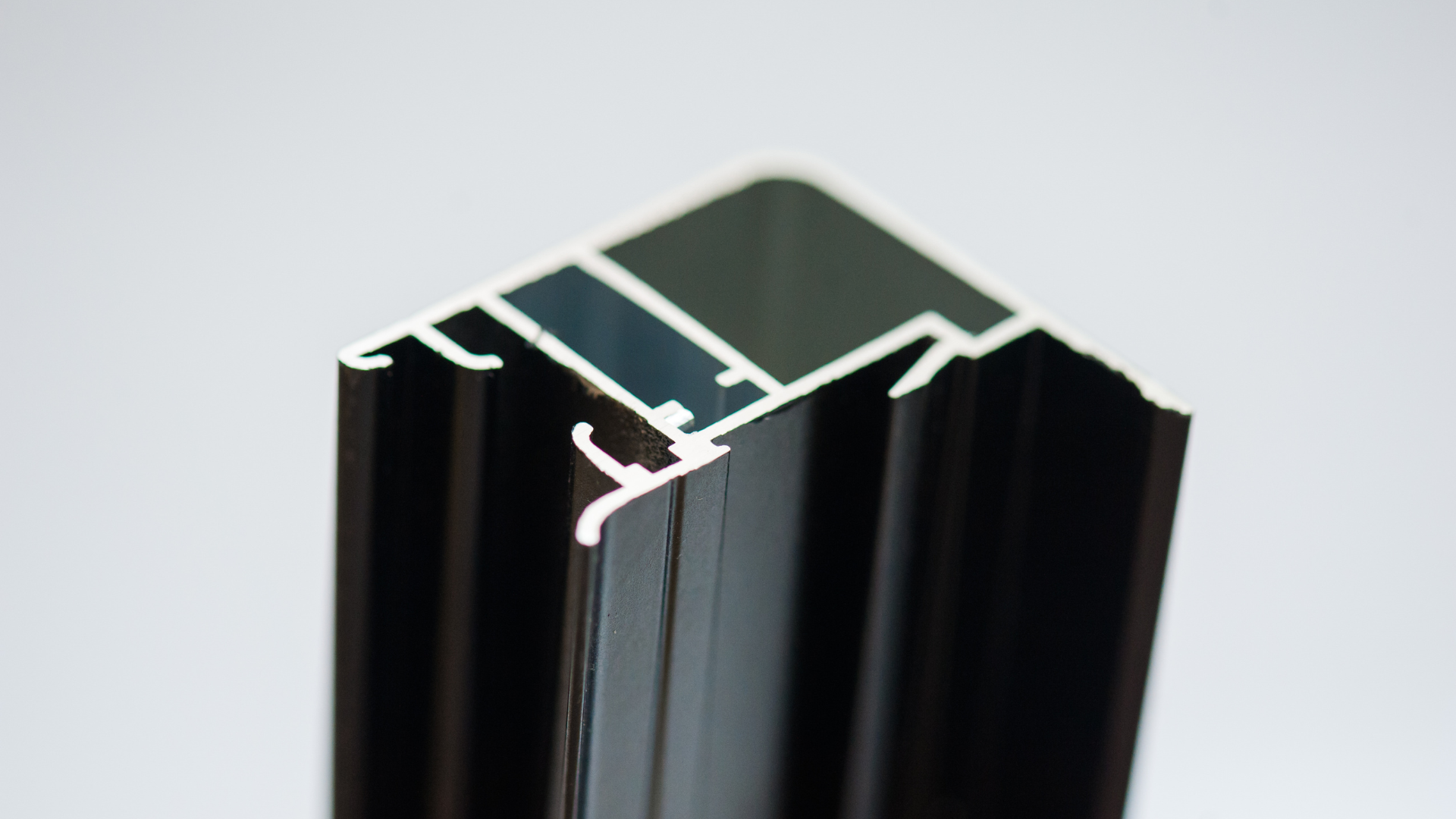
Black anodizing is an electrochemical finish that converts the surface of aluminum into a dense, porous oxide layer, then fills those pores with black dye and seals them. The color becomes part of the coating rather than a film sitting on top of it.
Why Aerospace Programs Specify Black
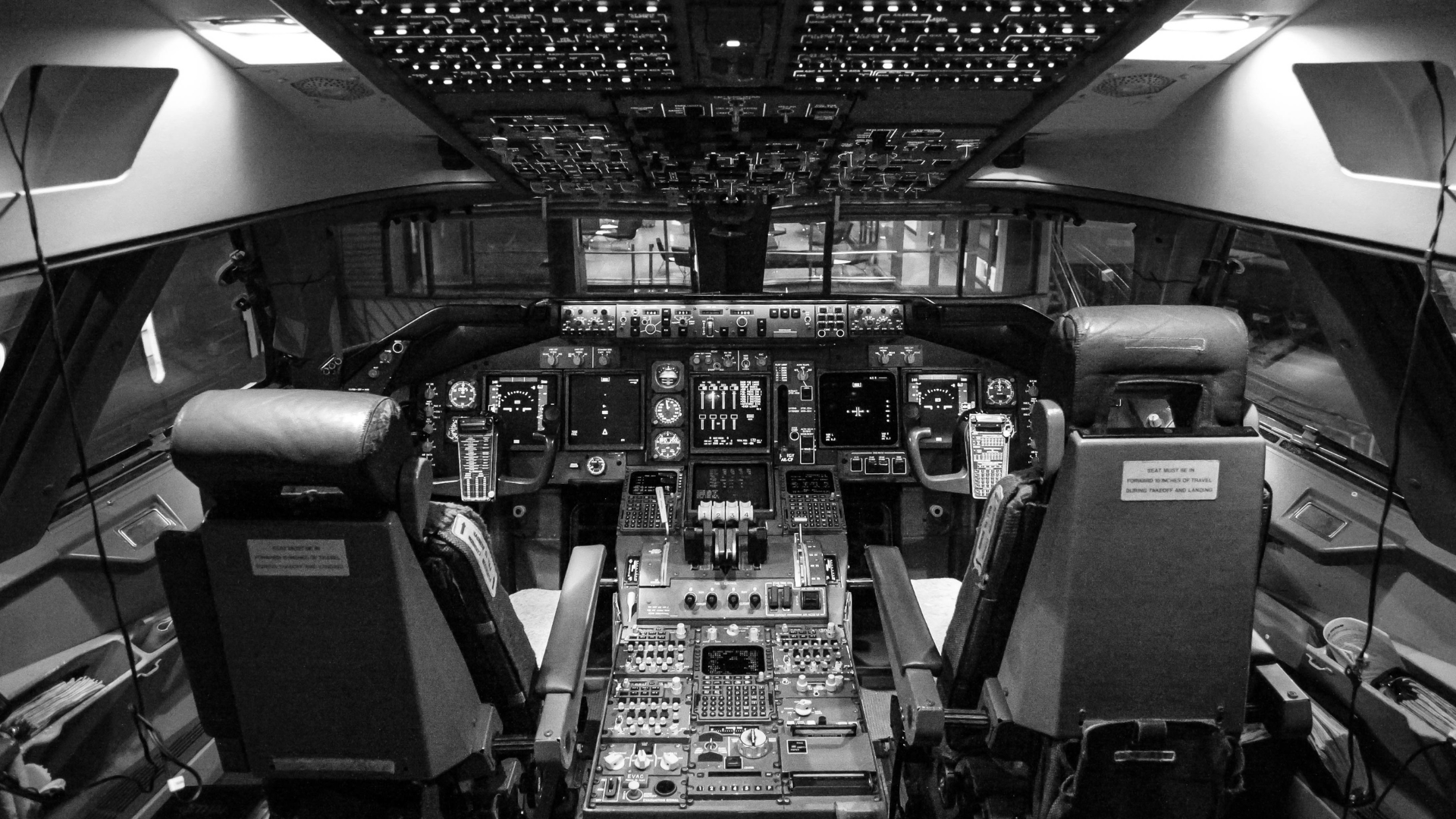
Black is chosen for function as much as looks. It cuts glare and reflectivity on cockpit hardware, optical housings, and sensor mounts, and it gives mixed parts a uniform appearance. Unlike paint, the finish is integral to the metal and does not chip away in sheets.
Common Aerospace Applications
Black anodized aluminum appears in avionics enclosures, instrument panels, brackets, sensor housings, and interior fittings, wherever reduced glare, corrosion resistance, and a durable surface are needed together. It also adds hardness and wear resistance over bare aluminum.
How the Black Anodizing Dye Process Works
The black anodizing process follows a fixed sequence, and each step affects the next. A weakness early in the line shows up as uneven color at the end.
Cleaning and Etching
Parts are cleaned and degreased, then etched and deoxidized to remove oils, oxides, and contamination. A uniform surface allows uniform oxide growth and, later, even dye uptake.
Anodizing
Racked parts are immersed in a sulfuric acid bath, where electric current builds a porous aluminum oxide layer. Time and current density set the thickness, and the pore structure created here determines how much dye the coating can hold. To go deeper on each stage, explore the anodizing process in detail.
Dye Absorption
The anodized parts are immersed in a heated dye bath, where black dye settles in the pores. Dye concentration, pH, temperature, and immersion time control color depth. Organic dyes are common, while inorganic or electrolytic coloring is an option when greater light stability matters.
Sealing
Sealing closes the pores to lock in the dye and improve corrosion resistance. Hot water and nickel acetate seals are common, and seal quality strongly affects both bleed and fade.
MIL-A-8625 Class 2: What the Specification Requires for Dyed Anodic Coatings
MIL-A-8625 is the governing specification for anodic coatings on aluminum across most aerospace and defense work. It defines coating types by process and classes by whether the coating is dyed.
Types and Classes
Type II covers sulfuric acid anodizing, and Type III covers hard anodizing. Class 1 is non-dyed, while Class 2 is dyed, so a black part calls out Class 2 on the drawing.
Coating and Sealing Requirements
Dyed coatings must be sealed. The specification sets expectations for coating thickness or weight, sealing, and acceptance testing such as salt spray exposure, with details varying by type and revision. The drawing and purchase order always govern.
To learn what it takes to anodize mil spec components, read the full breakdown.
Color and Appearance Expectations
Class 2 coatings should show uniform color without streaks, bleed, or bare spots. Because the exact shade is rarely specified by the specification alone, programs often add a color sample, visual standard, or customer requirement to the drawing.
Colorfastness: What Affects Fade Resistance in Black Anodized Parts
Black is one of the more stable anodizing colors, but no dyed coating is permanent in every environment. Fade resistance depends on a handful of controllable factors.
UV Exposure
Ultraviolet light breaks down organic dyes over time, shifting black toward brown, bronze, or gray. Exterior parts and parts near windows see the most change, while interior hardware holds color far longer.
Seal Quality
A thorough seal traps dye in the pores and slows leaching. A poor seal allows dye to bleed, accelerating fading, especially after washing or exposure to moisture.
Coating Thickness
Thicker coatings hold more dye and tend to produce a deeper, longer-lasting black. Thin coatings may look grayer from the start and fade sooner.
Heat and Chemical Exposure
Elevated temperatures, aggressive cleaners, and some fluids can degrade the dye or attack a poorly sealed coating. The operating environment should be reviewed before the finish is specified.
Factors That Affect Black Anodizing Quality and Consistency
A correct process can still produce inconsistent results when inputs vary. Quality comes from controlling variables across parts, racks, and lots.
Alloy and Material Condition
Alloy chemistry changes how a coating forms and accepts dye. High-copper alloys such as 2024 and high-silicon castings tend to look duller, grayer, or mottled, while alloys like 6061 usually dye more evenly. Mixed alloys in a single lot can exhibit shade differences.
Surface Preparation
The anodic layer follows the surface beneath it, so machining marks, residues, and finish choice show through. Bead-blasted parts have a matte black finish, while smooth machined surfaces look glossier. Curious about other options beyond black? Browse the range of anodizing finishes available.
Bath Control
Acid concentration, temperature, current density, and dye bath chemistry must be monitored and held in tight ranges. Drift shows up as color variation between lots.
Racking and Masking
Contact points can leave marks, and poor electrical contact produces thin or uneven coatings. Threads and tight-tolerance features require masking, and dimensional growth should be accounted for in the design.
Black Anodizing Type II vs. Type III: Choosing the Right Option for Your Component
Both types can be black anodized, but they suit different jobs. For a closer side-by-side look, see Type II vs Type III anodizing.
- Type II: A thinner sulfuric acid coating with moderate corrosion and wear protection, well suited to housings, brackets, and parts where appearance and tight dimensions matter.
- Type III: A thicker, harder coating with far better abrasion resistance, built for sliding surfaces and high-wear components. Its dense structure takes dye less readily, so black is a common choice. Wear-critical parts may benefit from hard anodizing services.
- Dimensional impact: Both types change part size; Type III changes more, so tolerances and fits should be reviewed before processing.
- Rule of thumb: Choose Type II when corrosion protection and appearance lead, and Type III when wear drives the requirement.
Final Thoughts
Black anodizing is more than a cosmetic choice in aerospace; it’s a functional finish that controls glare, aids part identification, and must hold up across years of service. Getting it right means understanding the dye process, meeting MIL-A-8625 Class 2 requirements, and controlling the variables that drive colorfastness. Whether you need Type II or Type III, the difference between a finish that lasts and one that fades comes down to process discipline and the right finishing partner.
Frequently Asked Questions About Black Anodizing For Aerospace: Dye Process, Colorfastness, And MIL-A-8625 Class 2
What is anodize type 2 class 2?
Type II Class 2 is a sulfuric acid anodic coating that has been dyed black and then sealed. “Type II” describes the process, while “Class 2” means the coating is coloured rather than left natural.
What is the typical thickness of black anodize per MIL-A-8625 Type II Class 2?
Type II coatings typically range from about 0.0002 to 0.001 inch (5 to 25 micrometers), though the drawing and specification set the exact requirement. Thicker coatings hold more dye, which helps achieve a deeper, more uniform black.
What is the difference between class 1 and class 2 anodized finish?
Class 1 is an undyed anodic coating that keeps its natural, silvery-grey aluminum appearance. Class 2 is dyed to a specific color, such as black, then sealed. Both use the same underlying process, with dyeing as the key difference.
What are the differences between Mil-A-8625 Type II and Type III anodizing?
Type II is a sulfuric acid anodizing process that produces a thinner coating suited for corrosion protection and color. Type III is a thicker hard coat with far greater wear resistance, but a narrower color range and more dimensional change.
What metals cannot be anodized?
Carbon steel, stainless steel, copper, brass, and bronze generally can’t form the protective anodic oxide that aluminum does. Anodizing works on aluminum, titanium, and magnesium, each needing its own process. Zinc and niobium can also be anodized for niche uses.
What is the 720 rule for anodizing?
The 720 rule is a rule of thumb for sulfuric anodizing: divide 720 by the current density in amps per square foot to get the time in minutes required to produce 0.001 inch of coating. At 12 amps per square foot, that’s about 60 minutes.