
Industry News
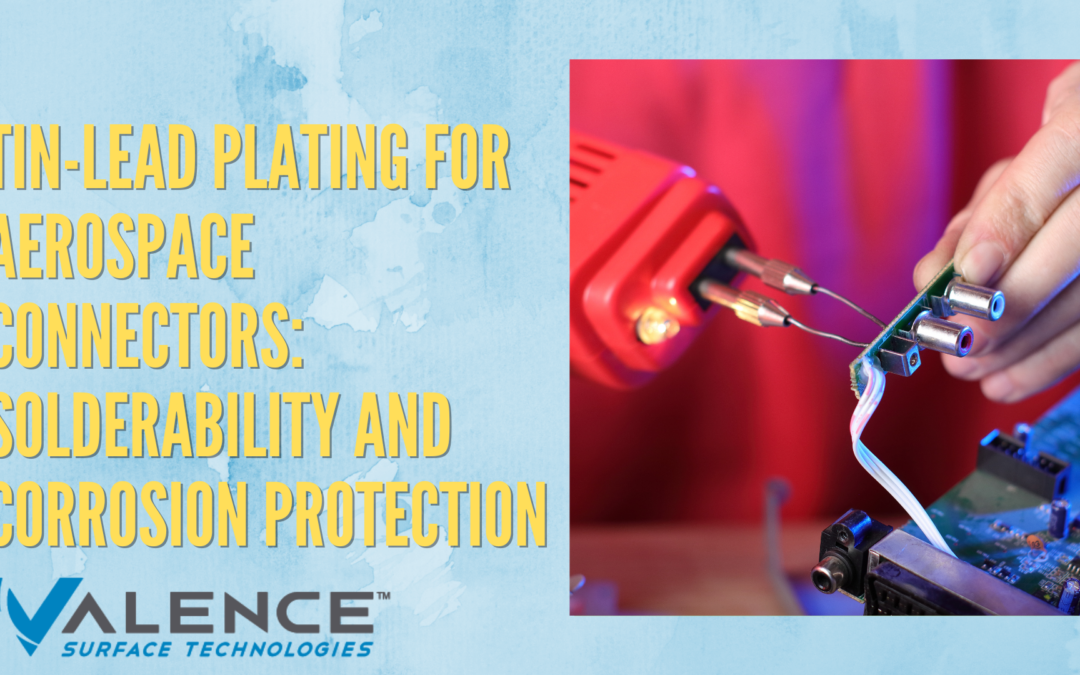
Tin-Lead Plating For Aerospace Connectors: Solderability And Corrosion Protection
Tin lead plating delivers solderability and corrosion protection for aerospace connectors. Valence breaks it down. Read more today.
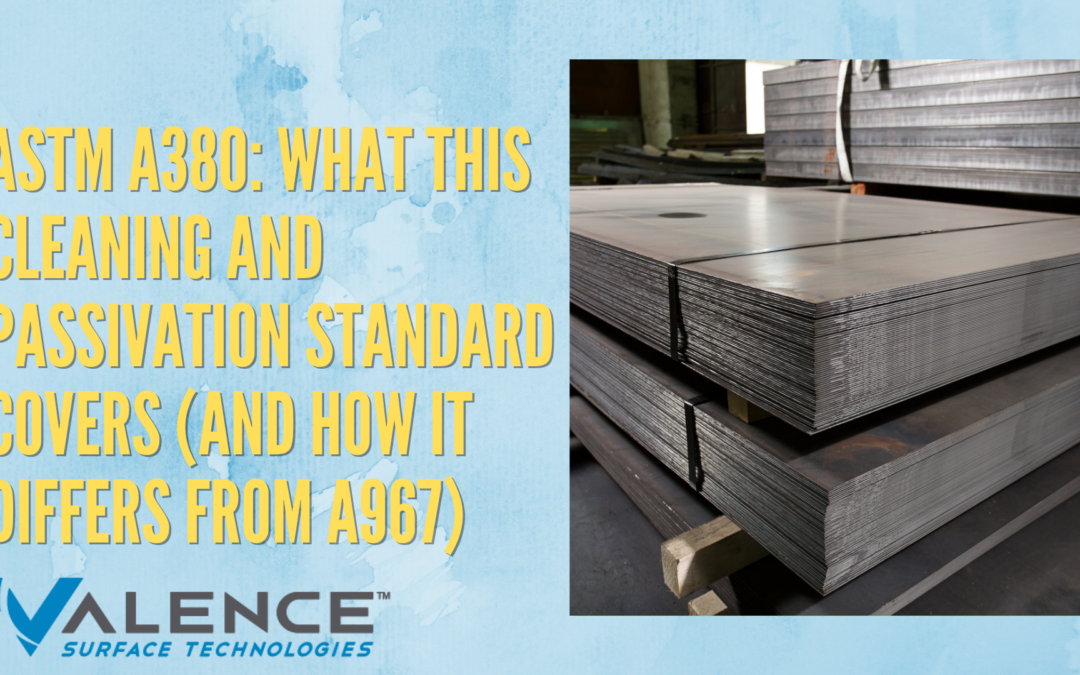
ASTM A380: What This Cleaning And Passivation Standard Covers (And How It Differs From A967)
Valence breaks down ASTM A380 cleaning and passivation requirements for stainless steel. Contact us today for compliant surface finishing.
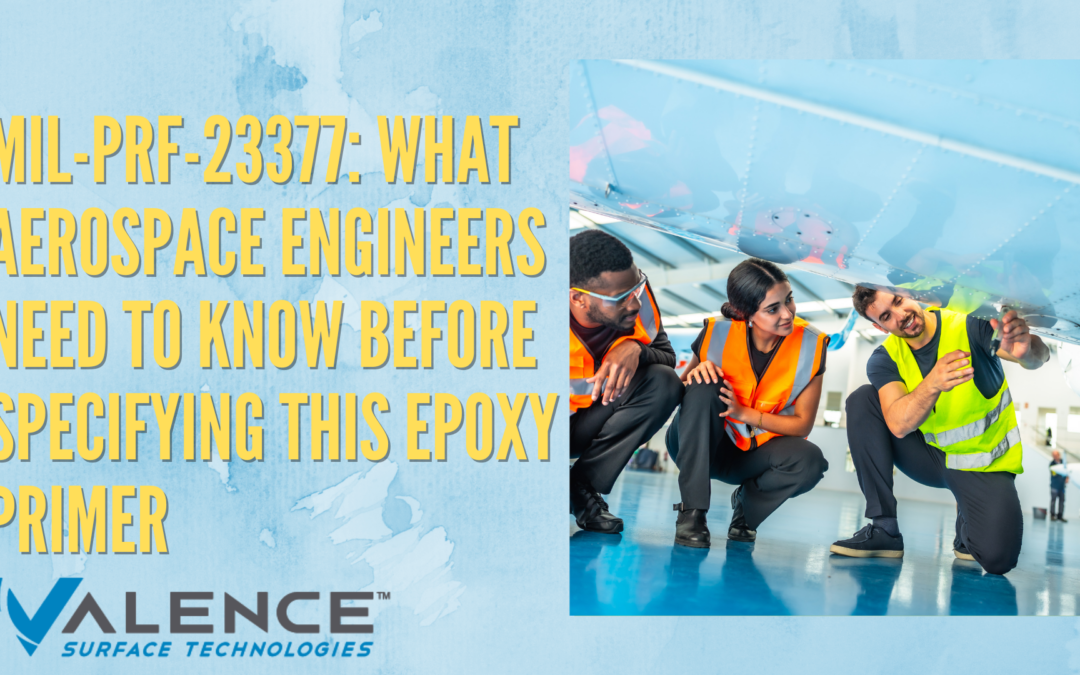
MIL-PRF-23377: What Aerospace Engineers Need To Know Before Specifying This Epoxy Primer
MIL-PRF-23377 governs epoxy primer specifications for aerospace applications. Valence breaks down what engineers need to know before specifying it. Read more.
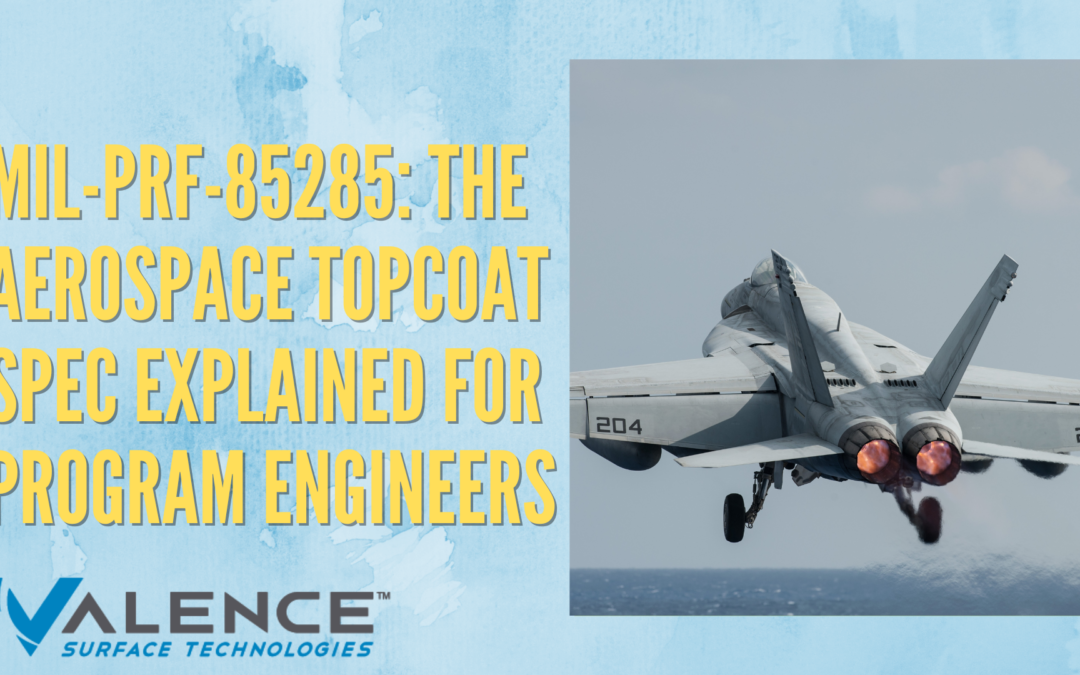
MIL-PRF-85285: The Aerospace Topcoat Spec Explained For Program Engineers
MIL-PRF-85285 governs aerospace topcoat performance and compliance. Valence breaks down what program engineers need to know. Read more.
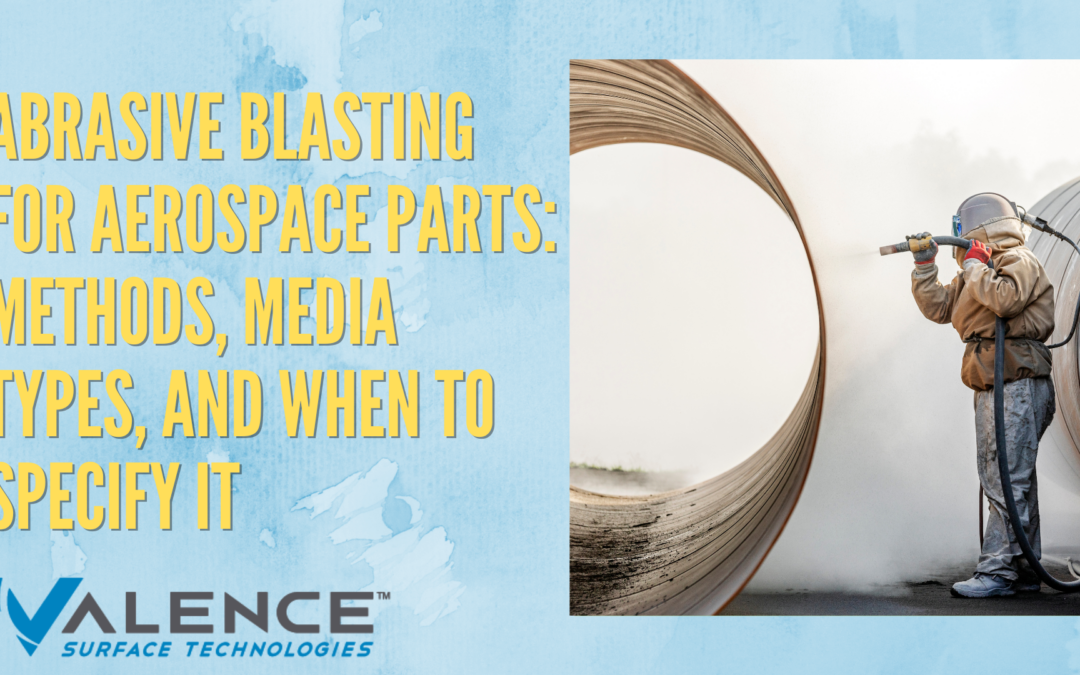
Abrasive Blasting For Aerospace Parts: Methods, Media Types, And When To Specify It
Abrasive blasting prepares aerospace parts for coating and inspection. Valence breaks down methods and media, and explains when to specify them. Read more.
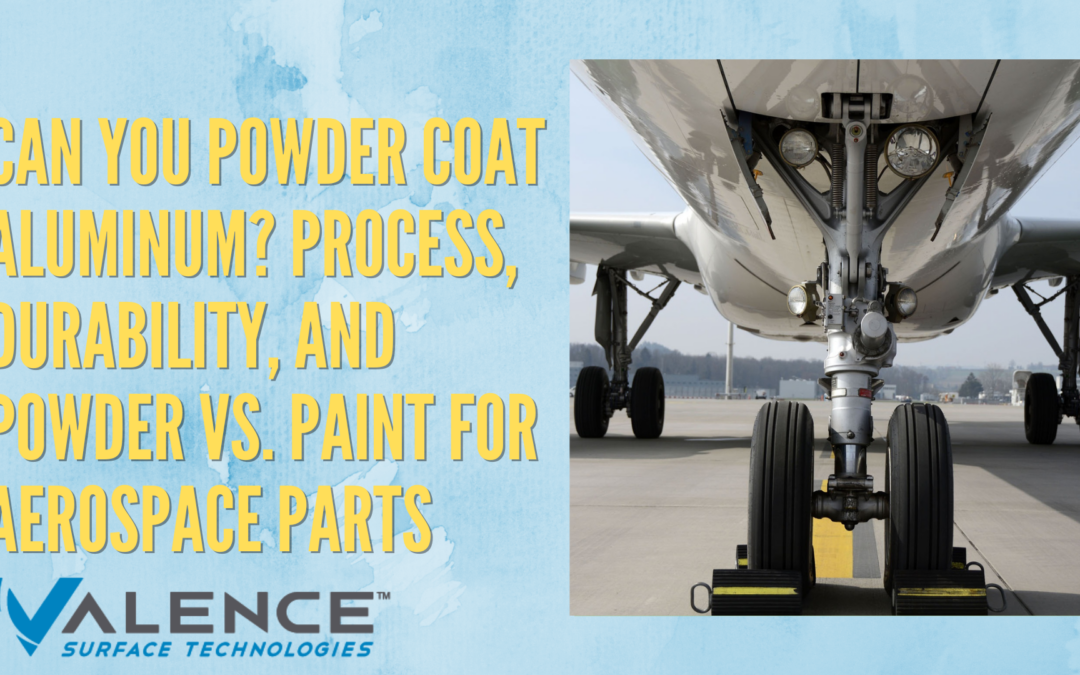
Can You Powder Coat Aluminum? Process, Durability, And Powder vs. Paint For Aerospace Parts
Can you powder coat aluminum for aerospace parts? Valence breaks down the process, durability, and powder vs. paint. Read more.
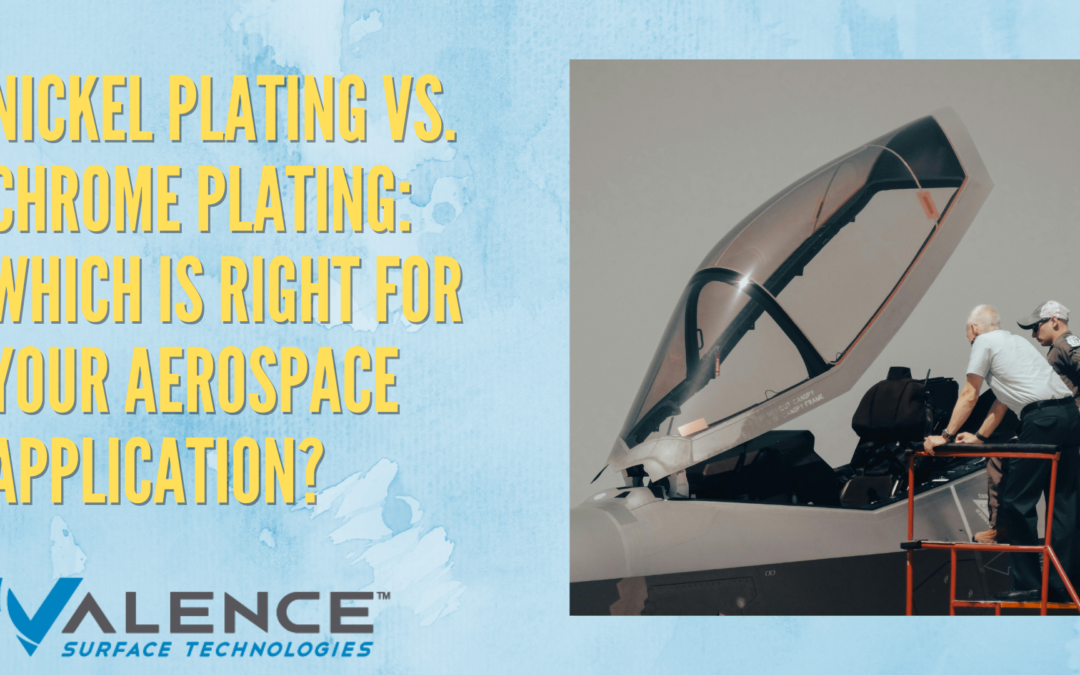
Nickel Plating vs. Chrome Plating: Which Is Right For Your Aerospace Application?
Nickel vs chrome plating, which fits your aerospace application? Valence breaks down the key differences. Read more today.
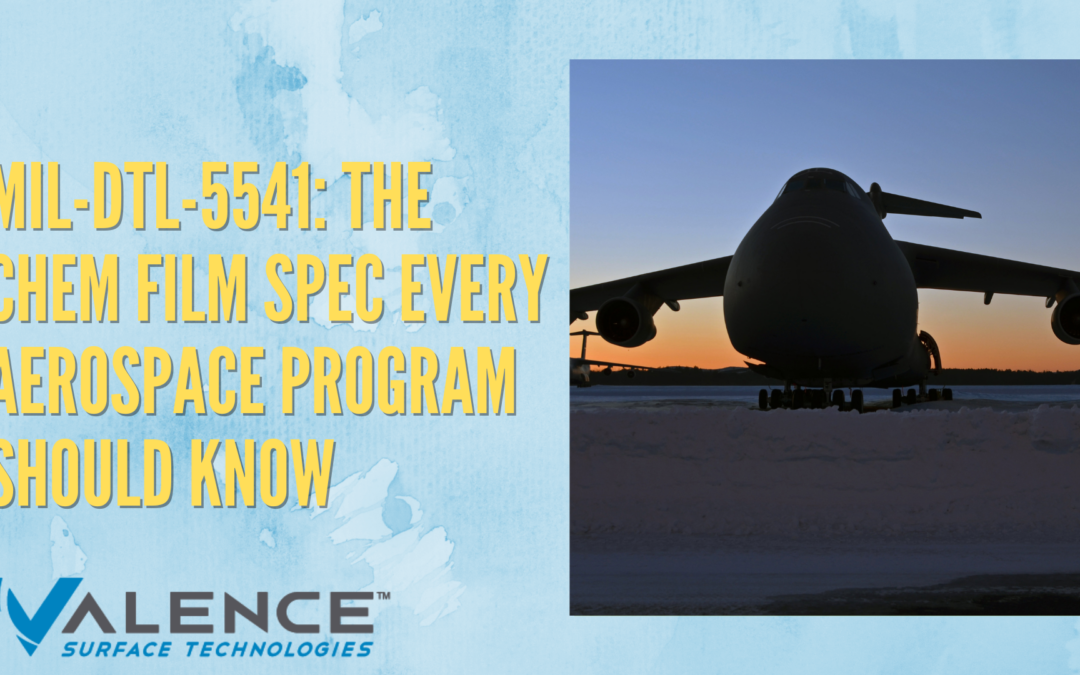
MIL-DTL-5541: The Chem Film Spec Every Aerospace Program Should Know
MIL-DTL-5541 governs chem film coatings on aerospace aluminum. Valence breaks down what programs need to know. Read more today.
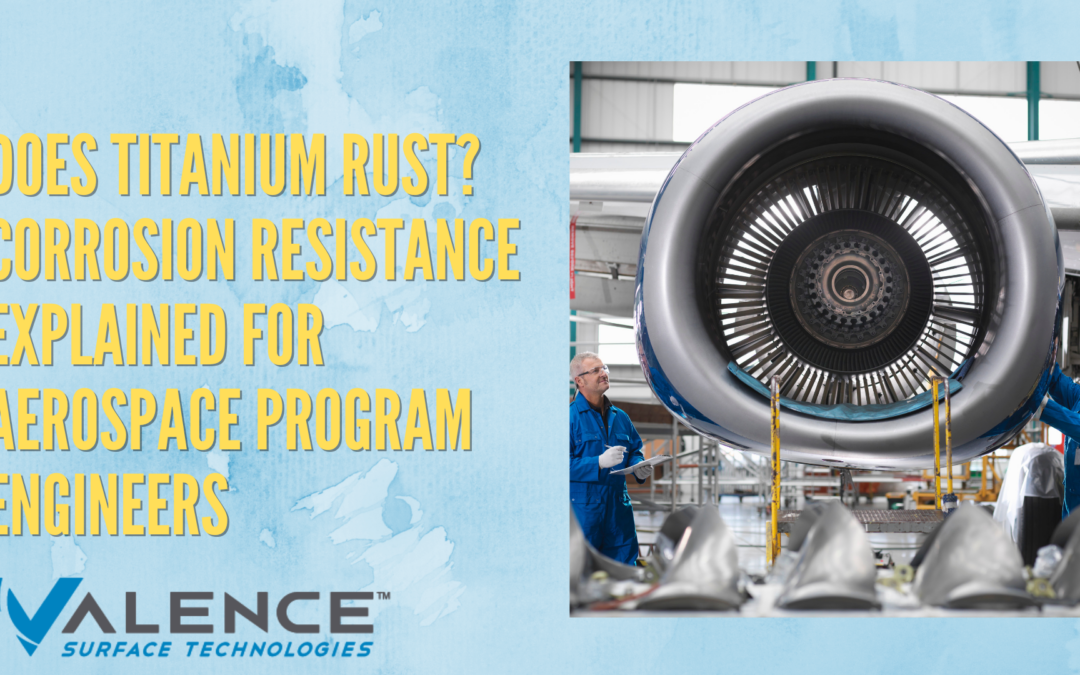
Does Titanium Rust? Corrosion Resistance Explained For Aerospace Program Engineers
Does titanium rust? Valence explains corrosion resistance for aerospace engineers, including when and how it can still fail.
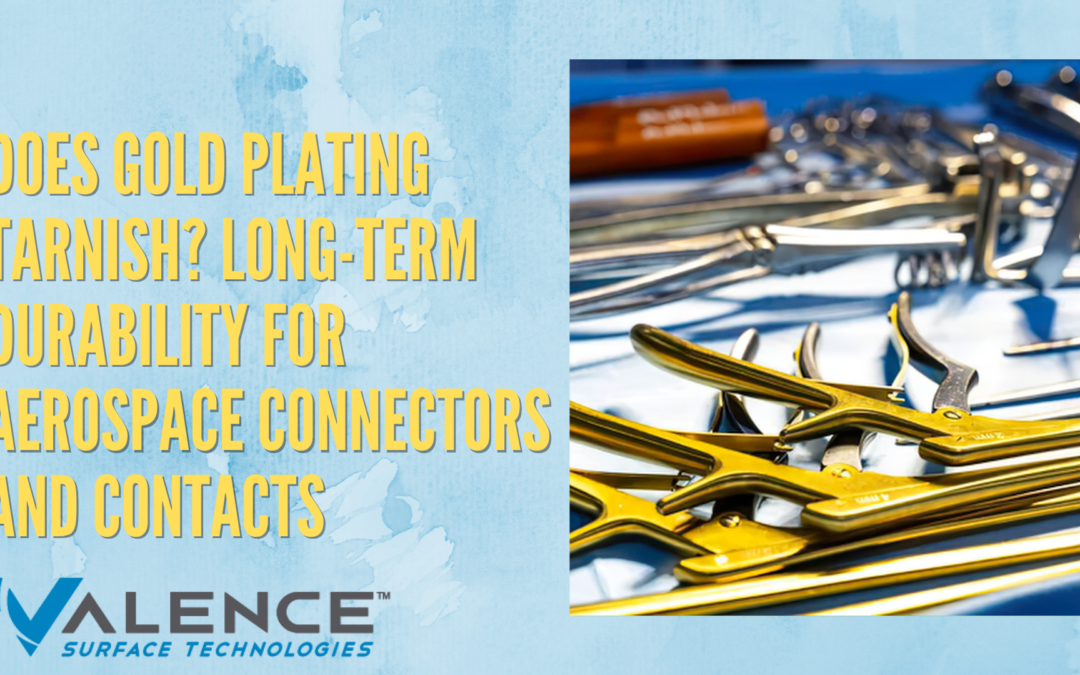
Does Gold Plating Tarnish? Long-Term Durability For Aerospace Connectors And Contacts
Does gold-plating tarnish over time? Valence breaks down long-term durability for aerospace connectors and contacts. Read more today.