
Key Takeaways:
- ASTM E165 is a practice for performing penetrant inspection, not a pass-fail standard, so acceptance criteria and, in many aerospace programs, the governing document, such as ASTM E1417 or AMS 2644, must always be confirmed from your drawing or purchase order.
- Reliable results depend on qualified examiners, compatible materials, and tightly controlled variables like temperature, dwell time, lighting, and removal, because most missed indications trace back to process control rather than the penetrant itself.
- Method selection should follow part criticality, surface condition, and specification, with fluorescent, higher-sensitivity systems typically chosen for fatigue-critical aerospace components and visible or water-washable options reserved for less demanding applications.
A hairline crack in a landing gear component can pass a visual check and still be one load cycle from failure. Liquid penetrant testing exists to close that gap, and ASTM E165 is the practice many engineers reference for consistent application. The challenge is that the standard leaves real decisions to the user: which method, which sensitivity level, and which process controls apply to a given part. Get those wrong, and a defect can be missed, or a good part rejected.
Valence Surface Technologies, the world’s largest independent aerospace metal finishing provider, offers fluorescent and liquid penetrant inspection alongside plating, chemical processing, and shot peening.
In this piece, we will cover what ASTM E165 covers, its practice requirements, method types, selection criteria, and common inspection challenges.
What Is ASTM E165 and What Does It Cover in Liquid Penetrant Testing?
ASTM E165 is a standard practice for penetrant examination in general industry. It describes how to apply penetrant materials and interpret results, but it is a practice, not an acceptance standard.
Scope of the Practice
The practice applies to nonporous metallic and nonmetallic materials and is used to detect surface-open discontinuities, such as cracks, laps, seams, and porosity. It covers fluorescent and visible penetrant systems, as well as several removal approaches. Acceptance criteria come from your drawing, customer specification, or a separate standard.
The Core Process
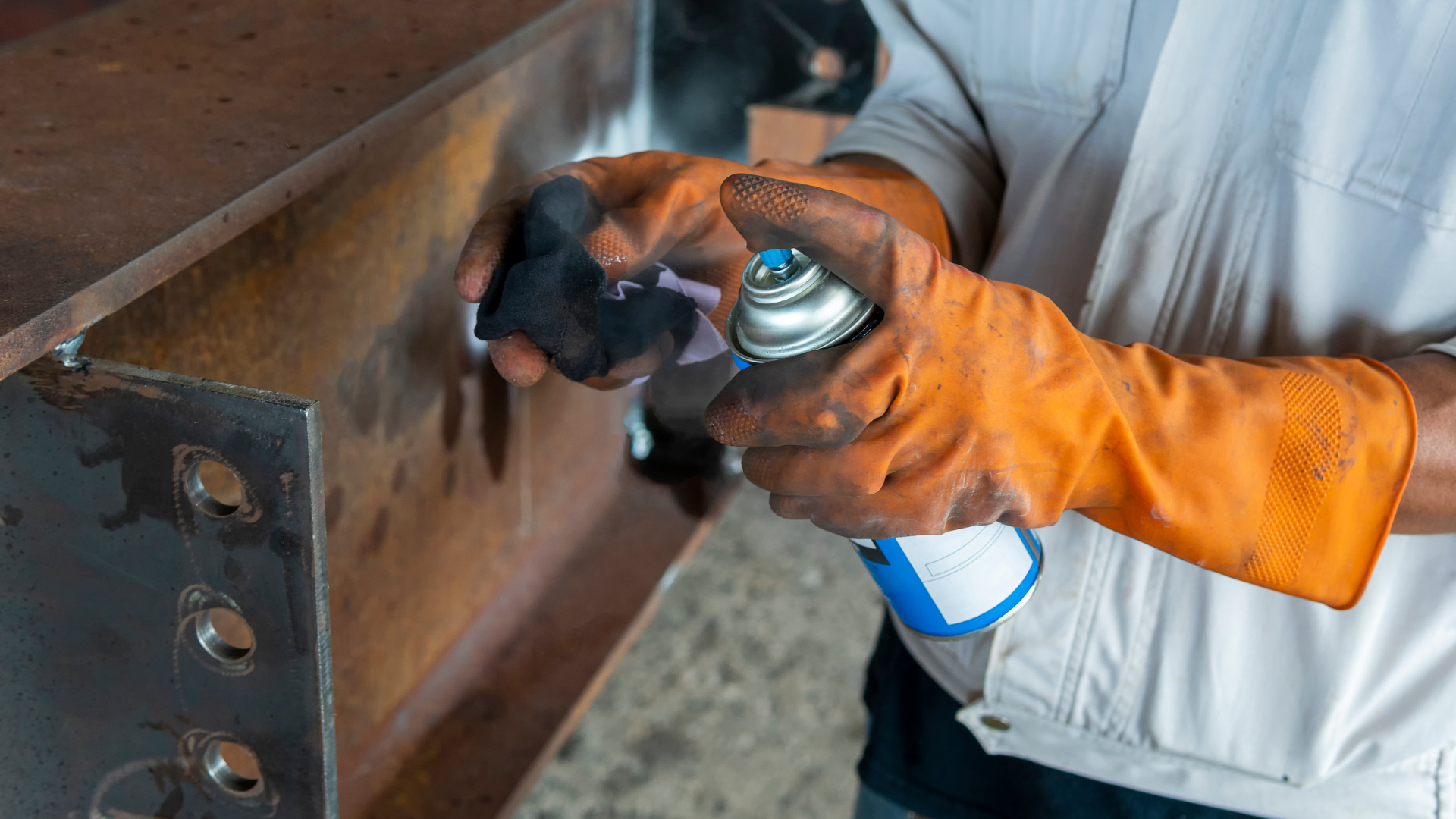
Every penetrant examination follows the same sequence: surface preparation, penetrant application, dwell, excess penetrant removal, developer application, inspection, and post-cleaning. Skipping or shortening any step can hide a defect.
ASTM E165 and Aerospace Specifications
Aerospace programs often call out ASTM E1417 or AMS 2644 (penetrant inspection materials), which add tighter material qualification and sensitivity requirements. To learn more about these requirements, read about ASTM E1417 liquid penetrant testing. Confirm which document governs before processing begins.
ASTM E165 Practice Requirements: Personnel, Materials, and Process Controls
The practice depends on three things working together: qualified people, compatible materials, and controlled conditions.
Personnel Qualification
Examiners must be qualified and certified under a written practice, commonly based on ASNT SNT-TC-1A or NAS 410 for aerospace work. Vision and color-contrast checks are part of keeping that qualification current.
Materials and Equipment
Penetrants, removers, emulsifiers, and developers should come from compatible families, because mixing products can degrade performance. Fluorescent inspection requires a darkened area and a UV-A light verified to be at least 1,000 µW/cm² at the part surface. Visible systems require adequate white light. Reference panels are used to confirm the system still performs.
If the method is new to you, this primer on what is fluorescent penetrant inspection is a helpful place to start.
Process Controls
Part and penetrant temperature, dwell time, wash pressure, drying, and developer time all affect results. The commonly cited temperature range is 50–125°F (10–52°C) unless the process has been qualified otherwise. Document these parameters for every lot.
Liquid Penetrant Testing Methods: Types and Sensitivity Levels
The penetrant testing methods in ASTM E165 are organized by how the indication is seen, how excess penetrant is removed, and how sensitive the system is.
Penetrant Types
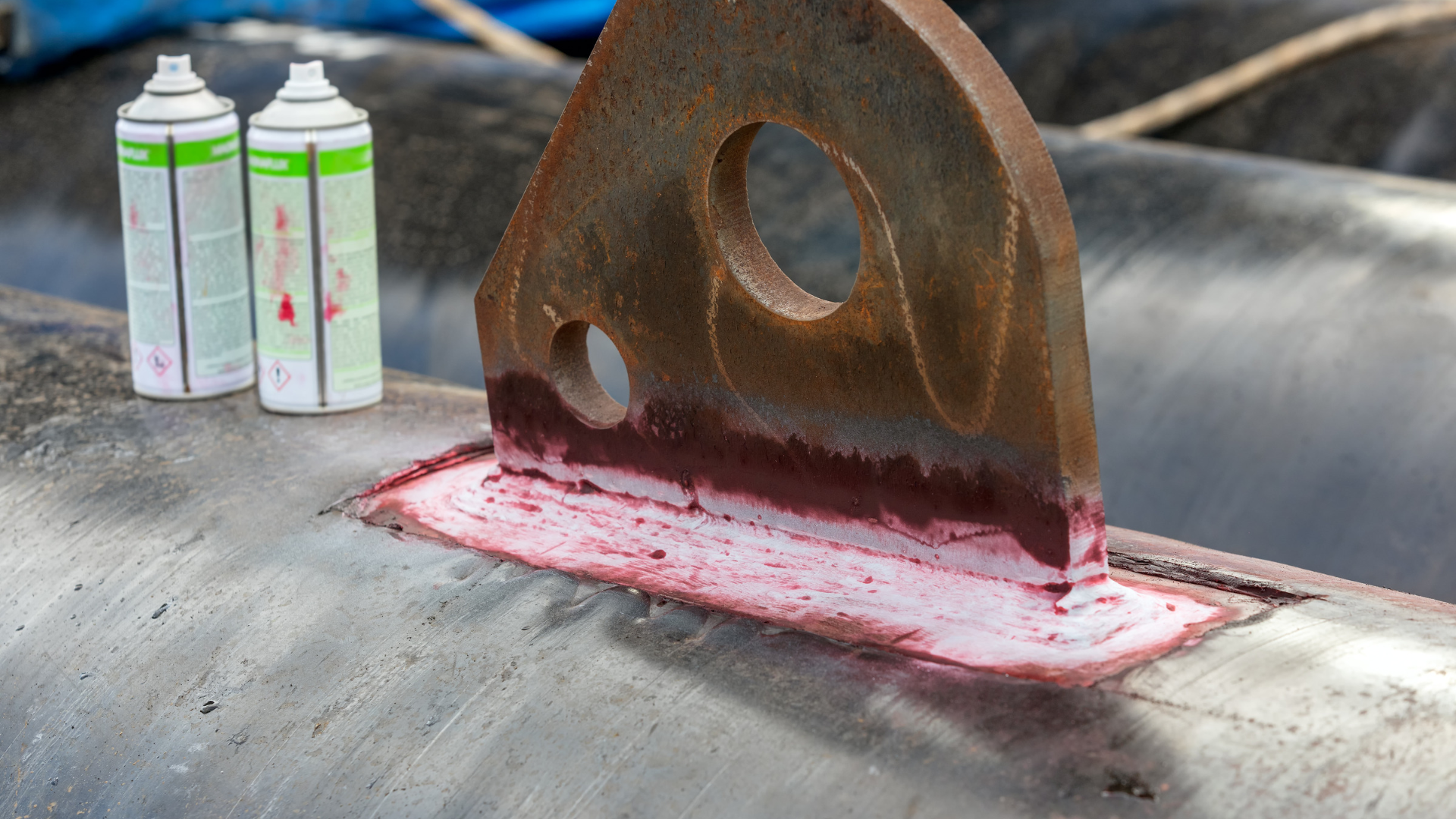
Type 1 penetrants are fluorescent and glow under UV light, providing high contrast in darkened areas. For a deeper look at how fluorescent penetrant inspection works, read the full guide. Type 2 penetrants are visible systems, often called dye penetrant testing, and show as colored indications against a white developer in normal light.
Removal Methods
- Method A: water-washable
- Method B: post-emulsifiable, lipophilic
- Method C: solvent-removable
- Method D: post-emulsifiable, hydrophilic
Water-washable systems are fast but can over-wash shallow defects. Post-emulsifiable and solvent-removable methods give more control.
Sensitivity Levels
Fluorescence systems are rated from low to ultra-high sensitivity in accordance with aerospace practices such as ASTM E1417. Higher sensitivity reveals finer defects but can also produce more background fluorescence on rough surfaces.
How to Select the Right Liquid Penetrant Method for Aerospace Components
No single method fits every part. Selection starts with what the specification requires, then narrows by part condition and inspection goals.
Match the Method to Material and Surface
Smooth, machined surfaces suit high-sensitivity fluorescent systems. Rough castings or welds may call for water-washable methods that easily clear the background. For ferromagnetic parts, magnetic particle inspection is another method worth trying alongside penetrant testing.
Consider Defect Size and Criticality
Fatigue-critical and flight-critical parts typically demand fluorescent Type 1 with higher sensitivity, since the cost of a missed crack is highest there.
Account for Location and Throughput
Field and on-site work often favors portable solvent-removable visible kits, while production volumes favor automated fluorescent lines.
Common Inspection Challenges and How to Avoid Them
Most penetrant failures trace back to preparation and control, not the penetrant itself.
- Smeared or blocked surface openings: Machining, grinding, and shot peening can close cracks. Chemical etching before inspection reopens them.
- Poor cleaning: Oils, scale, and coatings block penetrant entry. Clean and dry parts thoroughly.
- Insufficient dwell time: Follow the specified dwell time to allow the penetrant to enter tight flaws.
- Over-washing or over-removal: Excess rinsing pulls penetrant out of defects. Control pressure, time, and temperature.
- Heavy developer coating: A thick layer can mask fine indications. Apply a thin, even coat.
- Inadequate lighting: Verify UV intensity and ambient light levels before inspecting.
How Valence Supports Liquid Penetrant Testing for Aerospace Components
We approach penetrant inspection as one step in a larger finishing and quality chain, not a standalone task.
Fluorescent and Penetrant Inspection Capabilities
We offer fluorescent and liquid penetrant inspection as part of our nondestructive testing services, working to the specification on your drawing, including ASTM and AMS requirements. Ready to try something new for your next program? Explore a fluorescent penetrant inspection service built for aerospace components.
Integrated Finishing and Inspection
Because we also provide plating, chemical processing, and shot peening, we can coordinate inspections before or after those operations, reducing handoffs and keeping the work under a single quality system.
Documentation and Traceability
Inspection records and lot traceability support customer audits and flow-down requirements. We confirm the governing specification and approvals for your program before processing begins.
Final Thoughts
Penetrant inspection looks simple, but its reliability comes from discipline: the right method for the part, qualified people, verified equipment, and documented controls. ASTM E165 provides the framework, while your drawing and customer specifications set the bar for acceptance. Teams that treat it as a controlled process catch defects early and avoid costly rework, failed audits, and schedule delays. Shot peening, plating, and chemical processing all affect how a part should be inspected, so coordinating them matters. If you need a partner to inspect and finish aerospace components under a single quality system, contact Valence Surface Technologies to discuss your requirements.
Frequently Asked Questions About ASTM E165 Liquid Penetrant Testing: Practice Requirements And Method Selection
What is the ASTM standard for liquid penetrant testing?
ASTM E165 is the primary standard practice for liquid penetrant testing in general industry. For aerospace work, ASTM E1417 is commonly specified because it adds tighter controls over materials, sensitivity levels, process verification, and documentation.
What is the ISO standard for liquid penetrant testing?
ISO 3452-1 is the main international standard for penetrant testing, covering general principles. The wider ISO 3452 series also addresses penetrant materials, reference blocks, and equipment. ISO 23277 separately covers acceptance levels for penetrant indications.
What are the ASTM standards for dye penetrant tests?
ASTM E165 is the general-industry practice for penetrant examination, and ASTM E1417 is its aerospace-oriented counterpart. Other ASTM standards address penetrant materials and test blocks, but the specification on your drawing or purchase order determines which one governs.
What is liquid penetrant testing?
Liquid penetrant testing is a nondestructive method that finds surface-breaking defects such as cracks, laps, and porosity. A penetrant seeps into the flaw, the excess is removed, and a developer draws the liquid out, making the indication visible.
What are the two types of penetrants?
Penetrants are classified by how the indication is seen. Fluorescent penetrants glow under ultraviolet light and offer higher sensitivity, while visible (color contrast) penetrants show as red indications against a white developer under normal white light.
What is a type 1 and type 2 penetrant?
Type 1 penetrants are fluorescent and require a darkened area with ultraviolet light to inspect. Type 2 penetrants are visible dyes, typically red, and can be inspected under adequate white light without UV equipment, though they are generally less sensitive.