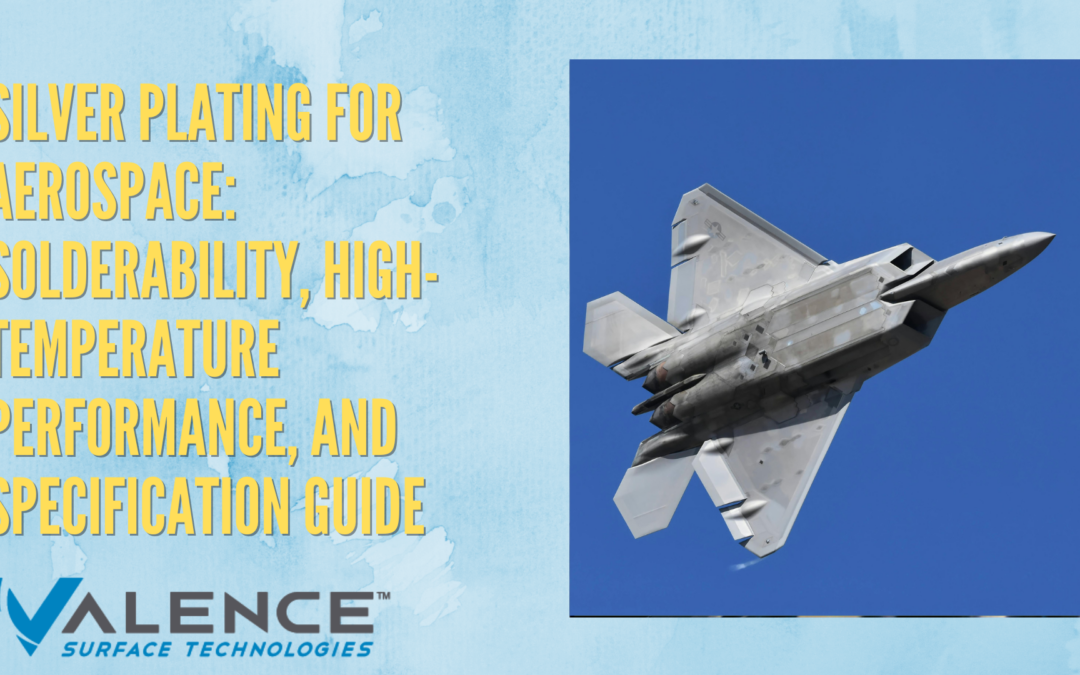
Key Takeaways: Conductivity Leader: Silver plating delivers excellent electrical and thermal performance for aerospace connectors and contacts. Heat Resilient: It sustains solderability and conductivity across many high-temperature environments and acts as a...
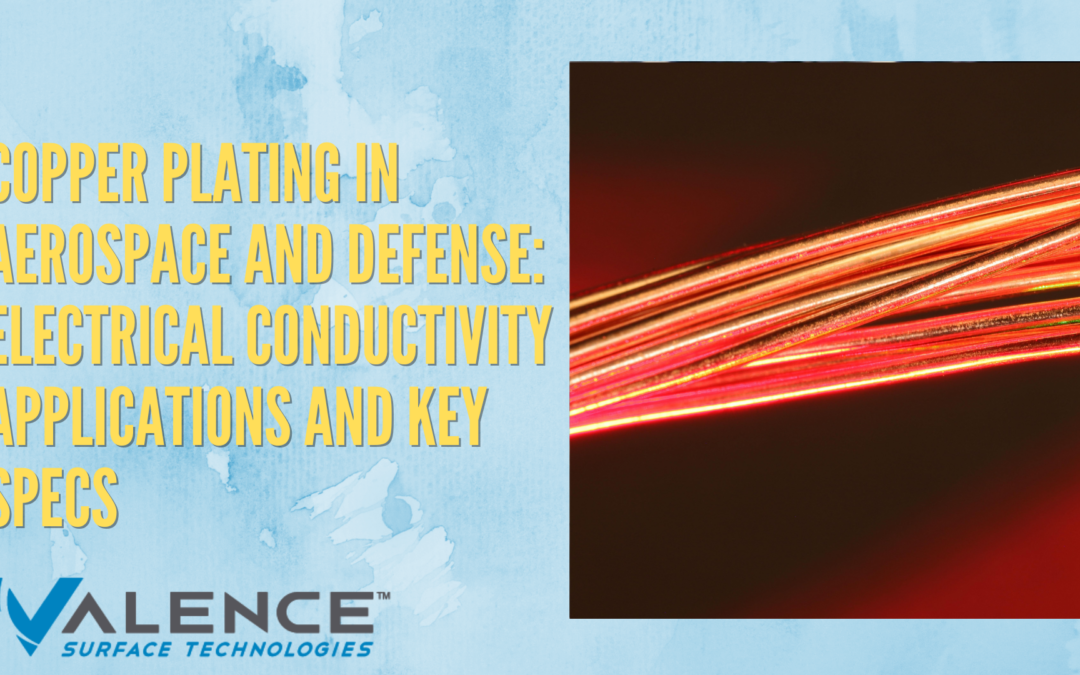
Key Takeaways: Conductivity First: Copper plating delivers the electrical performance that avionics, RF systems, and grounding paths demand. Spec-Driven: AMS 2418 and MIL-C-14550 govern thickness, adhesion, and quality for aerospace-grade copper plating. One...
Key Takeaways: Accreditation Is Fragile: Nadcap is process-specific and lost quickly when non-conformances go uncorrected or audit cycles slip. Supplier Risk Is Program Risk: One plater losing accreditation can halt a qualified production line and force costly...
Key Takeaways: Root Causes: Most anodizing defects trace back to poor surface prep, unstable bath chemistry, or temperature and timing drift. Detection Matters: Layered inspection—visual, coating weight, thickness, and corrosion testing—catches defects before parts...