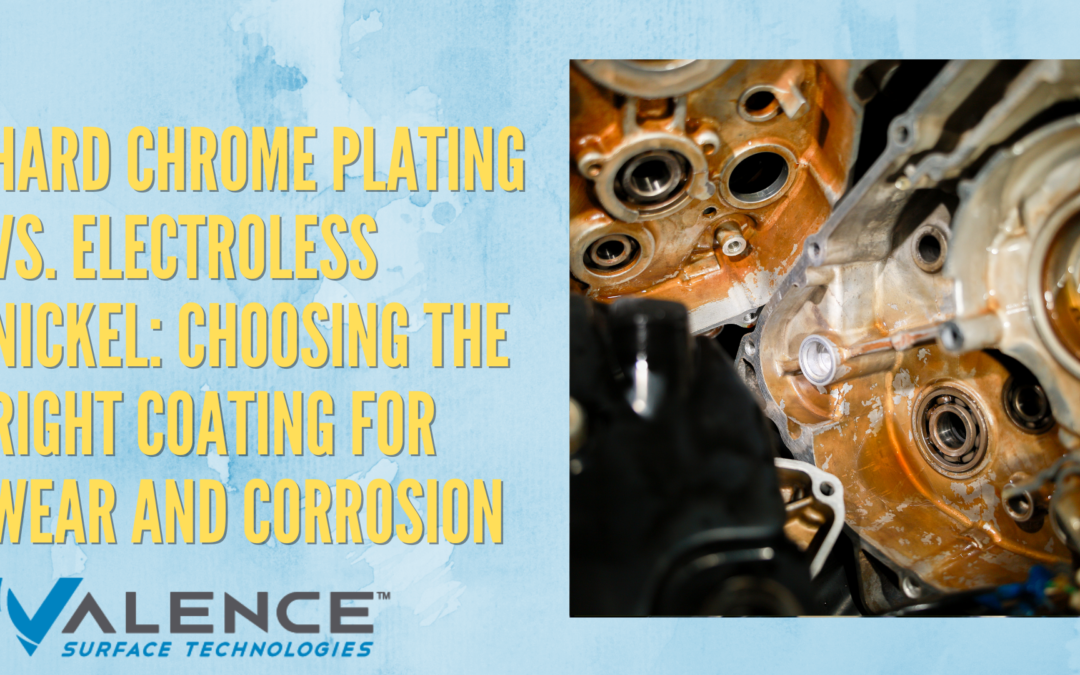
Key Takeaways: Hard Chrome Plating Delivers Superior Wear Resistance: Maximum hardness and low friction make chrome plating aerospace components the standard for high-wear applications. Electroless Nickel Provides Uniform Corrosion Protection: Chemical deposition...
Key Takeaways: Non-Invasive Access: Borescope inspection evaluates internal components without disassembly, reducing downtime and cost. Nadcap-Governed: Aerospace borescope inspection may fall under Nadcap NDT accreditation when required by the customer, the prime...
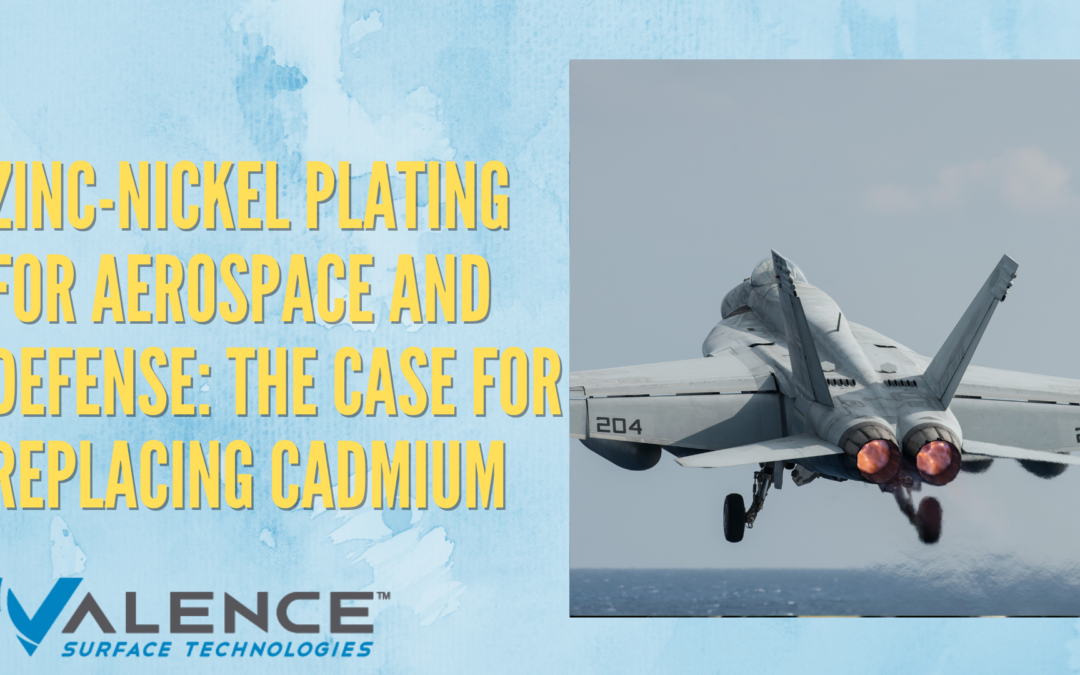
Key Takeaways: Zinc Nickel Plating Outperforms Cadmium in Corrosion Resistance: The alloy coating delivers superior salt-spray performance while eliminating regulatory and environmental liabilities. Regulatory Pressure Is Accelerating Cadmium Phase-Out: REACH...