
Key Takeaways:
- Method selection is critical. Chemical, electrolytic, and mechanical stripping each suit different applications; using the wrong one risks damaging the base metal or pushing parts out of tolerance.
- DIY gold stripping carries serious risks. Toxic chemistry, hazardous waste regulations, and irreversible damage to base metals make home removal impractical for anything other than decorative pieces.
- Precision parts need certified professionals. Aerospace and electronic components require controlled processes, traceable documentation, and inspection, all things a qualified finishing shop provides under one roof.
What happens when a gold-plated part fails inspection and has to start over? Stripping gold looks like the easy half of rework, but it is where parts get ruined. The wrong chemistry can etch the nickel underplate, pit the base metal, or push a precision part out of tolerance, turning a recoverable rework job into scrap.
Valence Surface Technologies, the world’s largest independent aerospace metal-finishing provider, applies gold plating through Nadcap- and AS9100-approved processes, backed by nondestructive testing and chemical processing within a single quality system. That experience gives Valence a clear view of what the plating on a part requires and how carefully it must be handled.
In this piece, we will cover why gold plating is removed, the common stripping methods, the risks of DIY removal, and when to use a professional.
Why Remove Gold Plating? Common Reasons and Applications
Gold is applied for a reason, so taking it off is usually a deliberate step in a larger process. The reasons fall into a few categories, and each affects how carefully the work needs to be done.
Rework After Plating Defects
Plating that fails inspection for thickness, adhesion, porosity, or appearance must be removed before the part can be replated. Clean removal restores the surface so the next cycle meets specification.
Recovering Value From Electronic Components
Connectors, contacts, and circuit board components carry small amounts of gold. Recycling and refining operations remove the plating to reclaim the metal rather than discard it.
Repair, Refurbishment, and Design Changes
Worn contacts, refurbished assemblies, and revised specifications can all call for the removal of the old finish. A part may need a different thickness, an underplate of a different thickness, or an entirely new finish.
How to Remove Gold Plating: Common Stripping Methods
Gold stripping generally follows one of three routes: chemical, electrolytic, or mechanical. Each removes the coating differently, and the right choice depends on the base metal, the plating thickness, and how much surface change the part can tolerate.
Chemical Stripping
Chemical strippers dissolve the gold layer through immersion. Cyanide-based solutions are common in industrial settings because they effectively remove gold, while non-cyanide formulations are used in operations that need to avoid cyanide. Selectivity matters. A well-matched stripper attacks the gold but leaves the underlying nickel or copper largely intact, while poorly matched chemistry can etch or undercut the substrate. To see how the layer is built in the first place, read about the gold plating process.
Electrolytic Stripping
Electrolytic stripping reverses the plating process. The part becomes the anode in a suitable solution, and an electrical current drives the gold back into solution. Current density and bath conditions control the removal rate, thereby improving control over how much material comes off. The gold can often be recovered from the bath for reuse.
Mechanical Removal
Abrasion, polishing, and light blasting physically remove gold. These methods suit parts where chemistry is not an option, but they are hard to control on thin coatings and complex shapes. They can remove base material, change dimensions, and leave an inconsistent surface for replating.
Risks of DIY Gold Plating Removal: Safety, Base Metal Damage, and Waste
Online guides that explain how to strip gold plating at home make it seem easy, but the chemistry is unforgiving. The risks extend beyond a ruined part to safety, quality, and compliance.
Safety Hazards
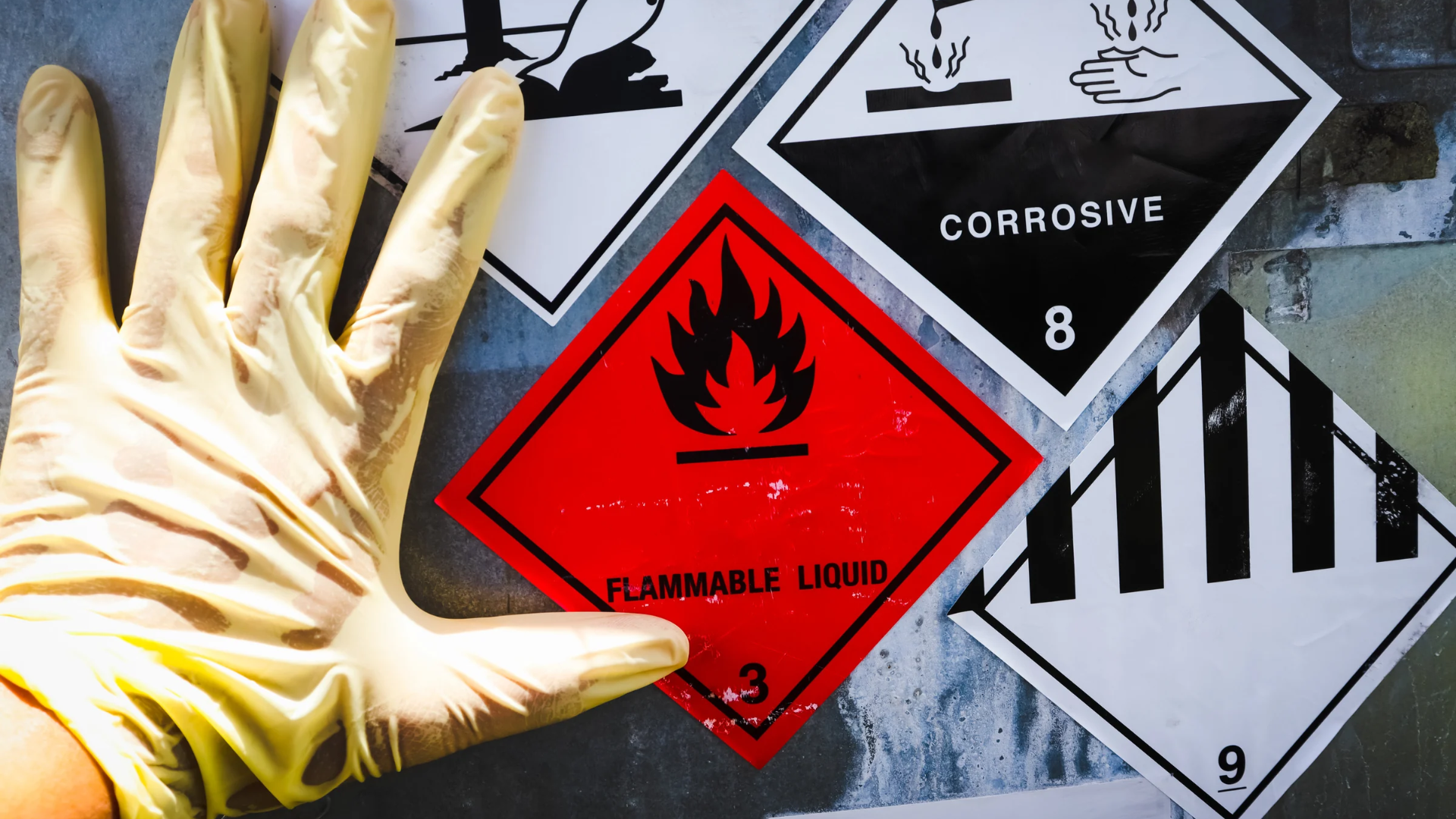
Many effective strippers are toxic or corrosive. Cyanide solutions are acutely poisonous, and mixing them with acids can release hydrogen cyanide gas. Strong acids cause burns and hazardous fumes. Ventilation, protective equipment, and trained handling are essential.
Base Metal Damage
Gold usually sits over an underplate, often nickel, on a base metal such as copper, brass, or steel. Aggressive or poorly timed stripping can pit, etch, or thin those layers. On precision parts, even small dimensional changes can push a component out of tolerance. If you’re comparing finishes for thin, uniform coverage on delicate electronics, immersion gold plating is another option worth exploring.
Waste and Compliance
Spent stripping solutions contain dissolved metals and often cyanide. They are regulated hazardous waste, and improper disposal creates legal and environmental liability. Gold dissolved in solution is also lost when recovery is not part of the process.
When to Use a Professional for Gold Plating Removal
Not every job needs a specialist, but some clearly do. The higher the part’s cost, the tighter its tolerance, or the stricter its documentation requirements, the stronger the case for professional help.
Precision and Regulated Parts
Aerospace, defense, and medical components often carry specification, traceability, and inspection requirements. A professional shop can strip gold plating without disturbing tolerances and document what was done, which matters when the part returns to service. For a deeper look at thickness classes and specifications, see ASTM B488 gold plating.
High-Value or Hard-to-Replace Components
When a part is expensive, hard to source, or one-of-a-kind, there is little room for experimentation. Controlled processes reduce the chance of scrapping it. Curious how gold performs on mission-critical hardware? Learn more about gold plating in satellites.
Large Volumes and Replating Programs
High-volume rework needs consistent results, bath control, and waste handling that a small setup cannot provide. Professionals can also strip, inspect, and replate in a single workflow, thereby shortening lead times. Teams planning a new project rather than rework can explore gold plating services to see what’s available.
How Valence Supports Gold Plating Removal for Aerospace and Electronic Components
Aerospace and electronic programs need rework to match the original plating’s control. We support those programs with certified processes, integrated capabilities, and documentation built for regulated industries.
Certified, Controlled Processes
Our Nadcap and AS9100 approved operations give programs confidence that processes, equipment, and quality systems meet aerospace standards. Controlled chemistry and verified results help keep reworked parts within specification.
Inspection and Documentation
We pair finishing with nondestructive testing and traceable records, so customers can see what was done to each lot. That documentation supports audits and customer flow-down requirements.
Strip, Inspect, and Replate Under One Roof
Because we offer gold plating alongside other plating, chemical processing, and inspection services, parts do not need to move between suppliers. Rework stays on one schedule and under one quality system.
Final Thoughts
Removing gold plating is rarely straightforward; the right method depends on your base metal, part tolerances, and end use. DIY approaches carry real risks: chemical hazards, dimensional damage, and regulatory headaches. For decorative or low-stakes parts, careful stripping may be manageable. But for aerospace, defense, or high-precision components, professional services like Valence offer the controlled processes, documentation, and integrated capabilities that protect both the part and the program.
Frequently Asked Questions About How To Remove Gold Plating: Stripping Methods And When To Use A Professional
What chemical removes gold plating?
Cyanide-based solutions are the most common industrial gold strippers, and non-cyanide formulations are also available. Aqua regia dissolves gold but aggressively attacks most base metals. All of these chemicals are hazardous and best handled by trained professionals.
What to do when gold plating wears off?
Clean the part and identify what is exposed underneath, since bare copper, brass, or nickel can tarnish or corrode. Decorative pieces can often be replated. Functional or precision parts should be stripped and replated by a professional to the specified tolerances.
How long does it take for gold plating to wear off?
There is no fixed timeline. It depends on plating thickness, friction, exposure to moisture and chemicals, and how often the item is used. Thin flash plating can wear within months on high-contact items, while thicker plating lasts years.
Can gold plating be reversed?
Yes. Gold plating can be stripped chemically, electrolytically, or mechanically, exposing the base metal or underplate. The part can then be inspected, prepared, and replated if needed. Precision components are best handled by a professional.
Can electrolysis be used to remove gold plating?
Yes. Electrolytic stripping reverses the plating process, using an electric current in a suitable solution to remove gold from the part. It offers good control over removal rate and can allow gold recovery, but requires proper equipment and safe handling.
How easily does gold plating come off?
It depends on thickness and wear. Thin plating can rub off over time due to friction, sweat, or abrasive cleaning, but intact plating is firmly bonded and does not simply peel off. Deliberate removal needs stripping chemistry or abrasion.