
Industry News
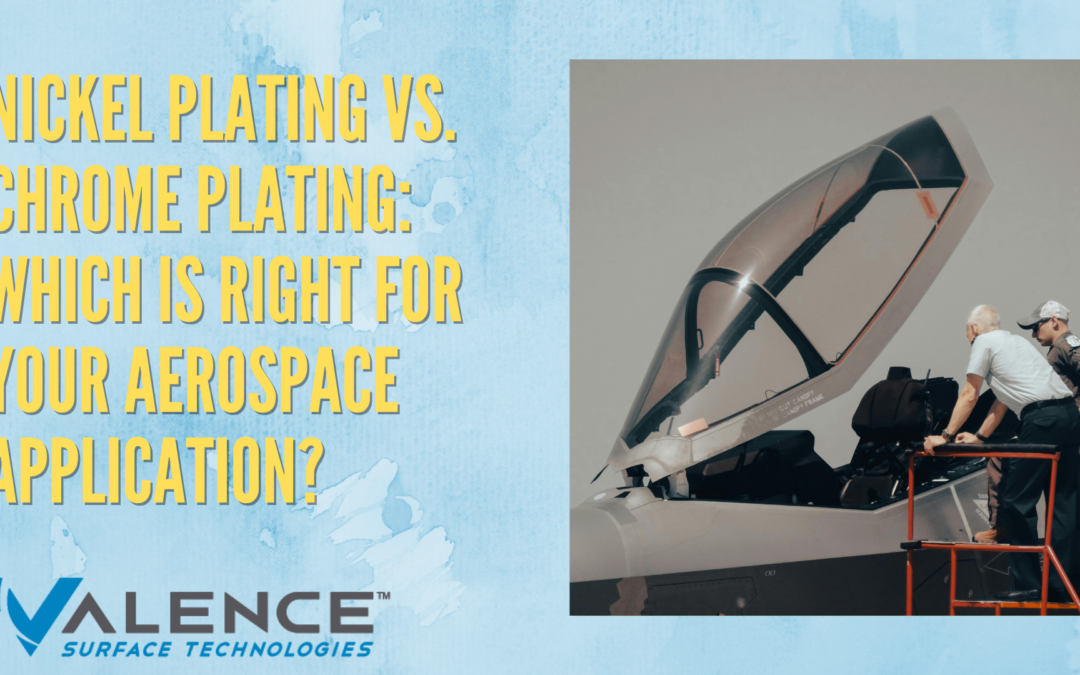
Nickel Plating vs. Chrome Plating: Which Is Right For Your Aerospace Application?
Nickel vs chrome plating, which fits your aerospace application? Valence breaks down the key differences. Read more today.

MIL-DTL-5541: The Chem Film Spec Every Aerospace Program Should Know
MIL-DTL-5541 governs chem film coatings on aerospace aluminum. Valence breaks down what programs need to know. Read more today.
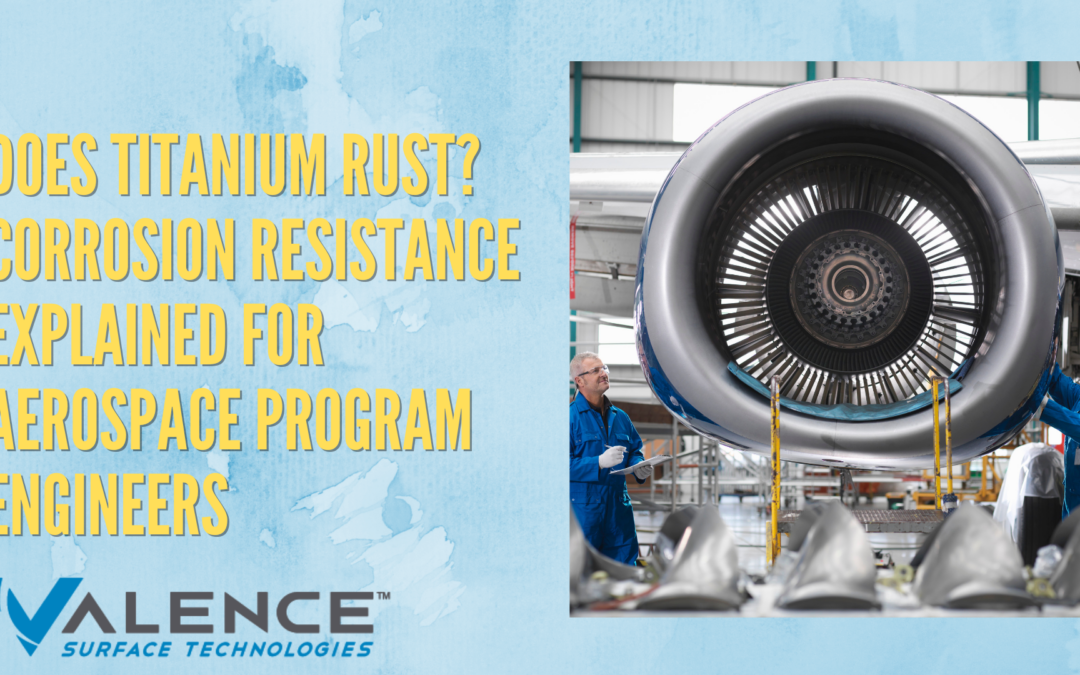
Does Titanium Rust? Corrosion Resistance Explained For Aerospace Program Engineers
Does titanium rust? Valence explains corrosion resistance for aerospace engineers, including when and how it can still fail.
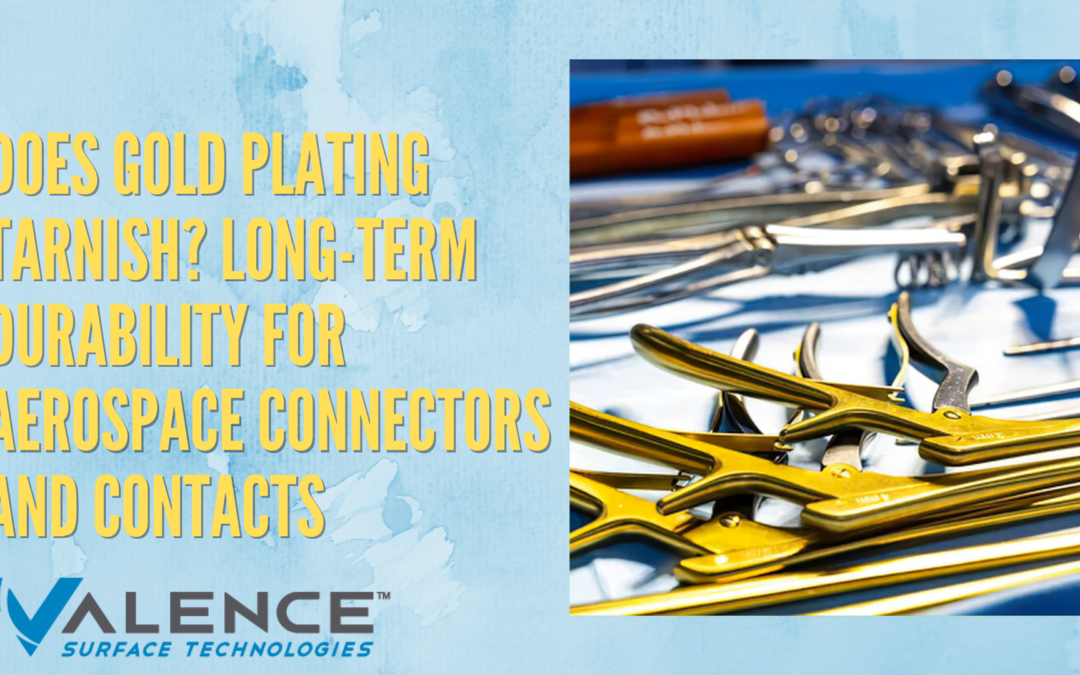
Does Gold Plating Tarnish? Long-Term Durability For Aerospace Connectors And Contacts
Does gold-plating tarnish over time? Valence breaks down long-term durability for aerospace connectors and contacts. Read more today.

AS9100 vs Nadcap: What Aerospace Suppliers Need To Know About Both
AS9100 certification and Nadcap serve different purposes. Valence breaks down what aerospace suppliers need to know about both.
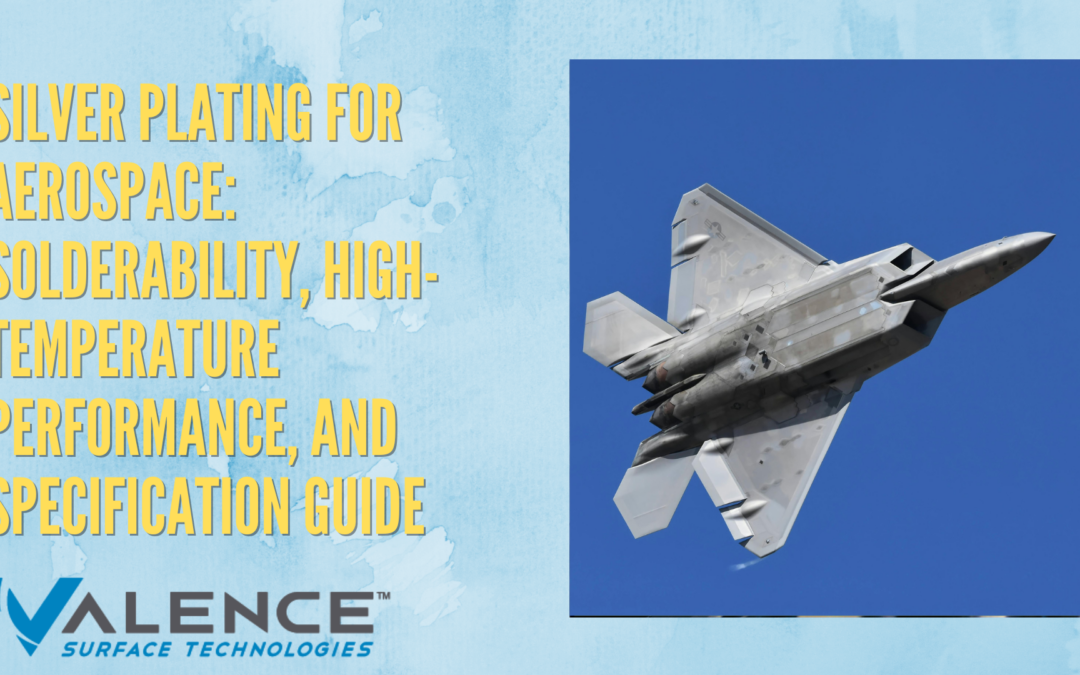
Silver Plating For Aerospace: Solderability, High-Temperature Performance, And Specification Guide
Key Takeaways: Conductivity Leader: Silver plating delivers excellent electrical and thermal performance for aerospace connectors and contacts. Heat Resilient: It sustains solderability and conductivity across many high-temperature environments and acts as a...

Copper Plating In Aerospace And Defense: Electrical Conductivity Applications And Key Specs
Key Takeaways: Conductivity First: Copper plating delivers the electrical performance that avionics, RF systems, and grounding paths demand. Spec-Driven: AMS 2418 and MIL-C-14550 govern thickness, adhesion, and quality for aerospace-grade copper plating. One...

Why Nadcap Platers Lose Accreditation: Compliance Failures And What Procurement Teams Should Know
Key Takeaways: Accreditation Is Fragile: Nadcap is process-specific and lost quickly when non-conformances go uncorrected or audit cycles slip. Supplier Risk Is Program Risk: One plater losing accreditation can halt a qualified production line and force costly...
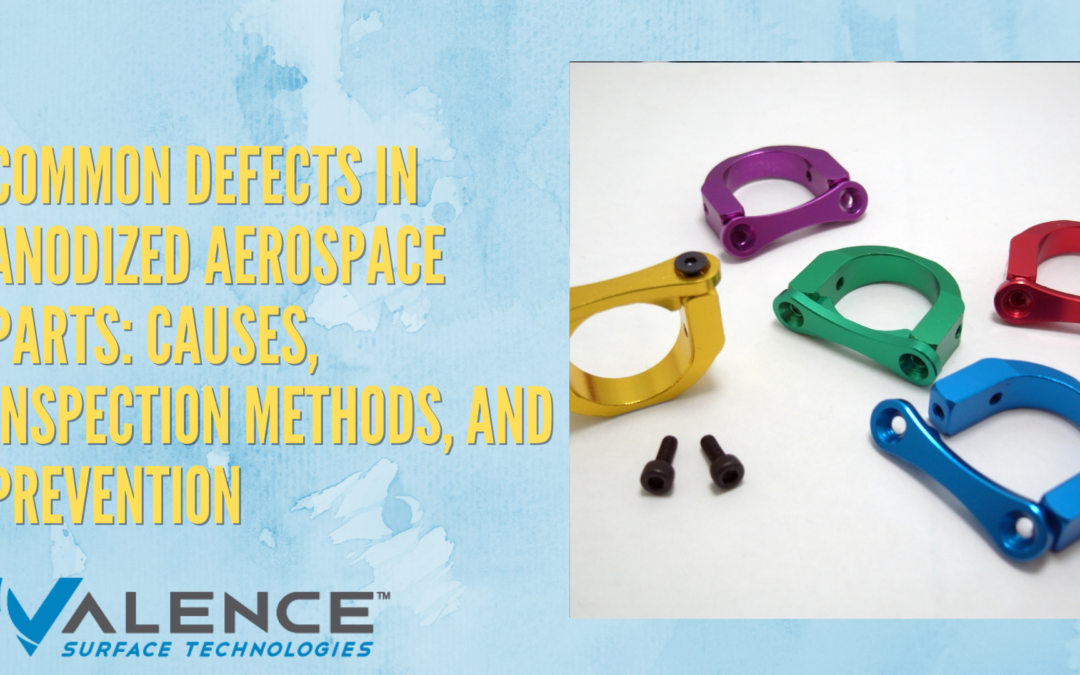
Common Defects In Anodized Aerospace Parts: Causes, Inspection Methods, And Prevention
Key Takeaways: Root Causes: Most anodizing defects trace back to poor surface prep, unstable bath chemistry, or temperature and timing drift. Detection Matters: Layered inspection—visual, coating weight, thickness, and corrosion testing—catches defects before parts...
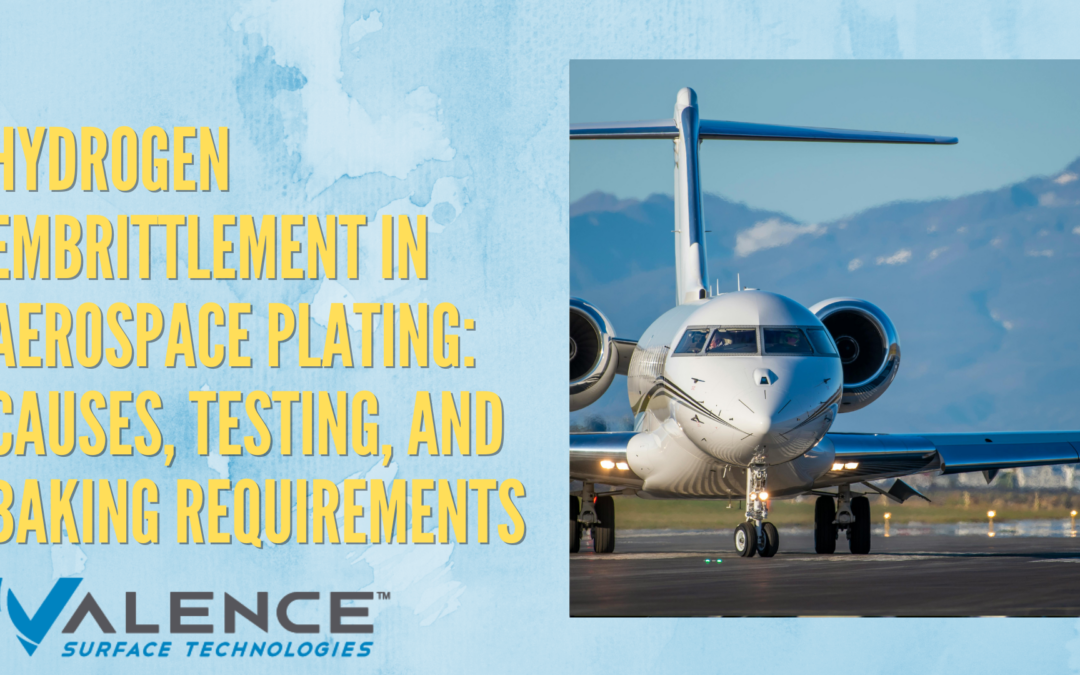
Hydrogen Embrittlement In Aerospace Plating: Causes, Testing, And Baking Requirements
Key Takeaways: Hydrogen Embrittlement Poses Catastrophic Risk: High-strength aerospace components can fail without warning when hydrogen atoms compromise material ductility during plating operations. Mandatory Baking Cycles Mitigate Absorption: Post-plate thermal...