
Key Takeaways:
- Stainless steel cannot be anodized the way aluminum is, because its thin chromium oxide film does not grow into a thick, porous layer that can be dyed or sealed. The few electrochemical treatments that exist produce thin films and are mostly decorative.
- Passivation, not anodizing, is the standard corrosion treatment for stainless steel because it removes free iron and allows the natural protective film to reform without changing part dimensions. It is the step most stainless components need after machining or fabrication.
- When a stainless steel part needs more wear resistance, thickness, or color than passivation provides, plating and spray coatings are more reliable than forcing an anodic process. Matching the finish to the requirement early prevents rework later.
Can you anodize stainless steel? It is one of the most common questions engineers ask when they want aluminum-style color and corrosion protection on a stronger, harder metal. The short answer is not what most people expect, and getting it wrong can mean wasted tooling, failed inspections, and parts that look finished but are not protected.
At Valence Surface Technologies, the world’s largest independent aerospace metal finishing provider, we run anodizing, passivation, plating, and coating processes across aviation, defense, and space programs, so we know where these processes overlap and where they do not.
In this article, we will cover how anodizing works, why stainless steel behaves differently from aluminum, the limited situations in which electrochemical oxide treatments apply, how passivation compares, and which finishes are better alternatives.
How Anodizing Works and Why Metal Type Matters
Anodizing is an electrochemical process that thickens the natural oxide layer on a metal’s surface. The part serves as the anode in an acid electrolyte bath, and the oxide that forms becomes part of the metal rather than a coating sitting on top. Whether the process works depends largely on the metal being treated.
How the Oxide Layer Forms
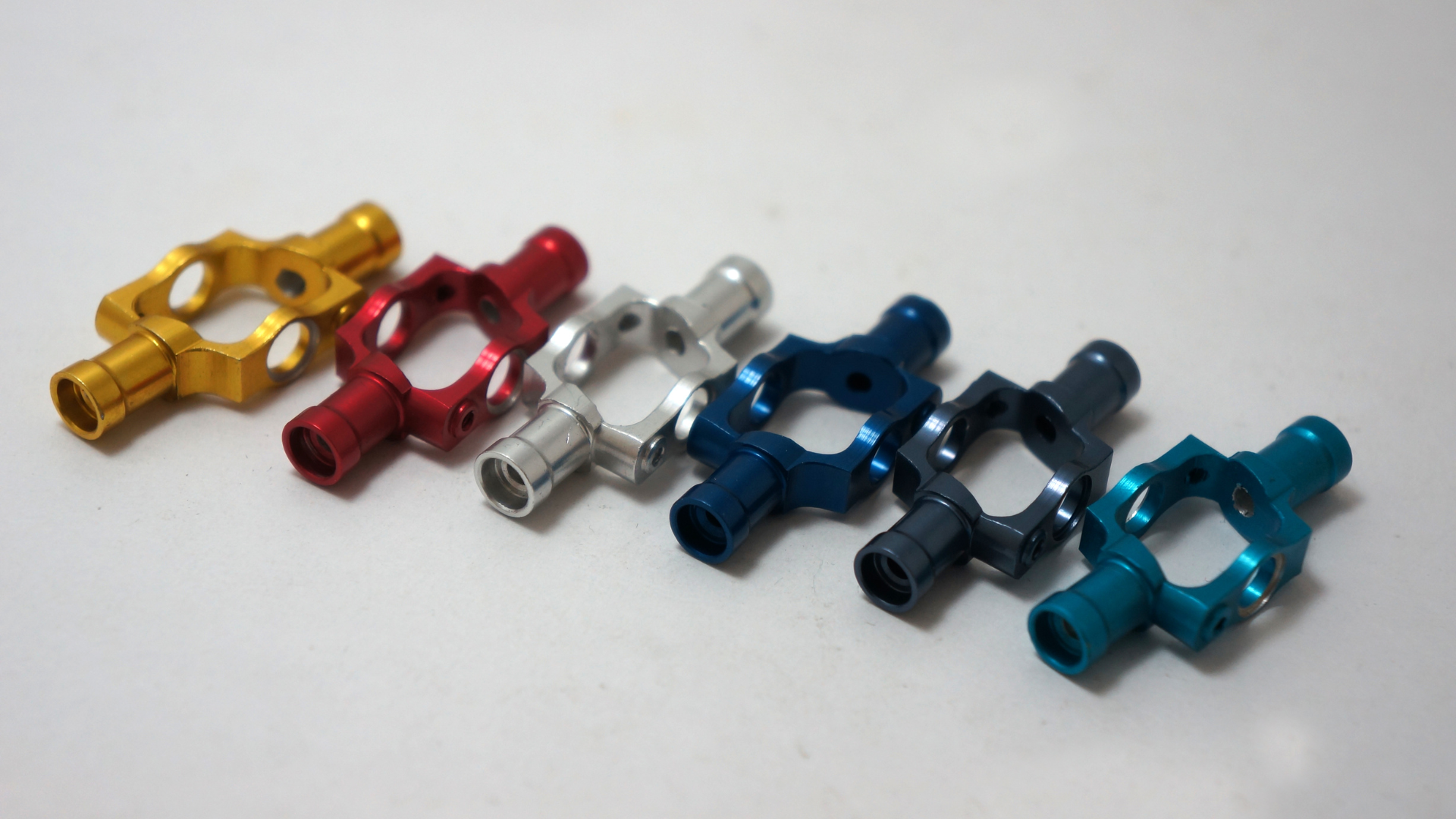
On aluminum, electrical current drives oxygen to the surface, where it forms a hard, wear-resistant oxide with a porous structure. That porosity allows dye to be absorbed and then sealed, which is why anodized aluminum offers both durability and a wide range of colors.
Why Substrate Chemistry Controls the Result
The oxide only becomes a stable, adherent layer when the metal’s own chemistry supports it. Aluminum, titanium, and magnesium respond well. Many other metals dissolve in the bath or form films that are too thin or too loose to be useful.
Why Stainless Steel Doesn’t Respond to Anodizing Like Aluminum
Anodizing stainless steel does not produce the thick, dyeable layer seen on aluminum. The reasons trace back to the alloy’s chemistry and the protective film it already carries.
The Chromium Oxide Barrier
Stainless steel earns its corrosion resistance from a thin, self-healing, chromium-rich oxide film, often only a few nanometers thick. Unlike aluminum oxide, this film does not grow into a thick, porous structure when voltage is applied.
Alloy Complexity in the Bath
Stainless steel combines iron, chromium, nickel, and other elements, and each reacts differently in an acid electrolyte. Rather than forming a uniform layer, the bath can etch the surface unevenly, leaving a rough or inconsistent finish.
No Porous Layer to Dye or Seal
With no porous oxide, there is nothing to absorb dye or seal. Anodic coating specifications, such as MIL-A-8625, are written for aluminum and aluminum alloys and do not apply to stainless steel.
Can Stainless Steel Be Anodized in Any Situation?
A conventional anodic coating is not possible, but a few electrochemical treatments come close. Each is a different process, and the anodized stainless steel described in some product listings usually refers to one of them.
Electrochemical Coloring
Specialized processes grow a very thin, transparent chromium-rich oxide film in an acid bath. Light interference within the film produces colors such as bronze, blue, and gold. A hardening step typically follows to improve durability.
Electropolishing
Electropolishing also uses electrical current, but it removes surface material rather than depositing a layer. The result is a smoother, cleaner surface with better corrosion resistance, and it is often performed before passivation.
Where These Treatments Fall Short
Electrochemically colored films are thin, so wear resistance is limited and the benefit is mostly decorative. For structural, high-wear, or specification-driven aerospace parts, other finishes meet the requirement more reliably.
Passivation vs. Anodizing: What’s the Difference?
The passivation vs anodizing question comes up often because both involve chemistry and oxide films. In practice, they solve different problems on different metals.
What Passivation Does
Passivation uses a citric or nitric acid bath to remove free iron and surface contaminants left by machining, then lets a clean chromium oxide film reform. It adds no measurable thickness, and aerospace programs typically reference the ASTM A967 passivation standard or AMS 2700. To learn more about the process itself, read what is passivation of stainless steel.
What Anodizing Does
Anodizing builds a thicker oxide layer on metals such as aluminum, titanium, and magnesium. It adds wear resistance, dye acceptance, and a stronger base for paint adhesion.
Which One Applies
Passivation restores the natural defense of stainless steel, while anodizing creates a protective layer on non-ferrous metals. Stainless steel components almost always call for passivation, not anodizing. If your part is made from a different metal, it may be worth trying anodizing aluminum or anodizing titanium instead.
Alternatives to Anodizing for Stainless Steel Corrosion Protection and Color
When passivation alone does not meet the requirement, several finishes can add wear resistance, thickness, or color to stainless steel parts.
Electroless Nickel Plating
Electroless nickel deposits a uniform nickel-phosphorus layer, even inside recesses, blind holes, and threads. It improves corrosion and wear resistance without the thickness variation that is common with electroplating.
Chrome Plating
Hard chrome delivers high surface hardness and low friction. It suits sliding or high-wear surfaces such as shafts, actuators, and piston rods.
Paint and Spray Coatings
Primers and topcoats add color, UV protection, and identification markings. They are the practical choice when appearance and environmental protection matter more than surface hardness.
PVD and Black Oxide
Specialty processes such as PVD coatings and black oxide for stainless steel provide decorative or low-glare finishes. Availability and specification coverage vary by supplier, so confirm requirements before selecting one.
How to Choose the Right Finish for Your Stainless Steel Component
The right finish starts with the requirement, not the process name. Match the job the part needs done to the treatment that does it:
- Corrosion resistance only: Choose passivation of stainless steel after machining or fabrication, with no dimensional change.
- Wear and friction: Hard chrome or electroless nickel, with added thickness accounted for in the design.
- Color or appearance: Paint and spray coatings for most parts, or electrochemical coloring and PVD for decorative ones.
- Tight tolerances: Passivation adds no measurable thickness, while plating does, so confirm allowances before processing.
- Specification requirements: Follow the drawing and governing standard, and confirm the process with the finishing provider before parts ship.
Final Thoughts
Stainless steel does not accept a conventional anodic coating, so most components require passivation to restore corrosion resistance, with plating or coatings added when wear, color, or specification requirements call for greater protection. The wrong finish rarely fails right away. It shows up later as corrosion, wear, or rejected lots, so choose early, with the drawing’s specification and operating environment in mind. Valence Surface Technologies supports that decision with passivation, electroless nickel plating, chrome plating, and spray coating, backed by Nadcap and AS9100 quality systems. Contact Valence to review your stainless steel component and get a recommendation on the right finish.
Frequently Asked Questions: Can You Anodize Stainless Steel? What Works, What Doesn’t, And The Alternatives
What metals cannot be anodized?
Ferrous metals such as carbon steel, iron, and most stainless steels cannot be anodized in the conventional sense. Copper, brass, and zinc also do not form a stable anodic oxide. Anodizing is mainly used on aluminum, titanium, and magnesium.
Is anodized better than stainless steel?
Neither is better overall because they are different materials. Stainless steel is a strong, corrosion-resistant alloy, while anodized aluminum is a lighter metal with a hardened surface. The better choice depends on weight, strength, environment, and cost requirements.
What is the enemy of stainless steel?
Chlorides are the main enemy, including salt, seawater, and some cleaning chemicals, because they break down the protective chromium oxide film. Free iron contamination, crevices, and stagnant conditions also promote pitting and rust, which is why passivation matters.
How long does anodization last?
Anodic coatings are part of the metal, so they can last decades with proper care. Actual life depends on coating thickness, sealing quality, and exposure to abrasion, chemicals, and UV. Hard anodize typically outlasts thinner decorative coatings in wear conditions.
Does anodization fade?
Yes, dyed anodic coatings can fade, especially with prolonged UV exposure. Proper sealing slows fading, and some colors hold up better than others. Natural, undyed anodize rarely changes color because its look comes from the oxide, not dye.
Can you anodize something twice?
Yes, parts can be re-anodized after the old coating is chemically stripped, which restores a clean surface. Stripping removes a small amount of material, so tolerances matter. Simply anodizing over an old coating is not recommended because results become unpredictable.